
By: The Trek News Desk
Diplomatic negotiations between the United States and Iran are underway in Switzerland as both sides attempt to build on a recent ceasefire agreement and ease growing tensions across the Middle East. The talks come at a critical time, with regional security concerns and disputes over Iran’s nuclear activities remaining at the centre of discussions.
Despite the ongoing negotiations, U.S. President Donald Trump has maintained a firm stance toward Tehran, issuing fresh warnings that have added pressure to an already sensitive diplomatic process.
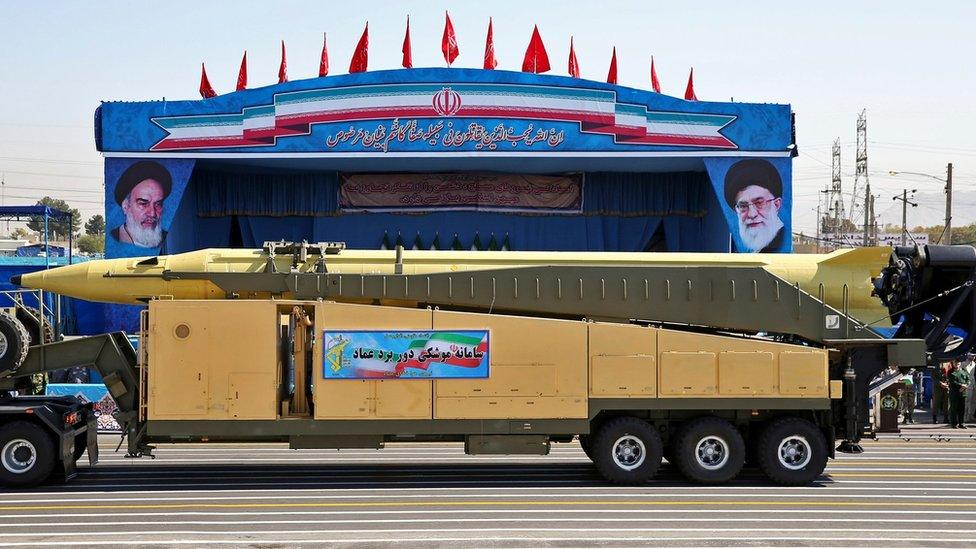
Officials from both countries are working to transform the temporary ceasefire into a broader framework for regional stability. Washington is pushing for Iran to remain engaged in sustained negotiations regarding its nuclear program, which the United States believes could potentially have military implications.
Iran, however, continues to reject such allegations, insisting that its nuclear activities are intended solely for peaceful and civilian purposes.
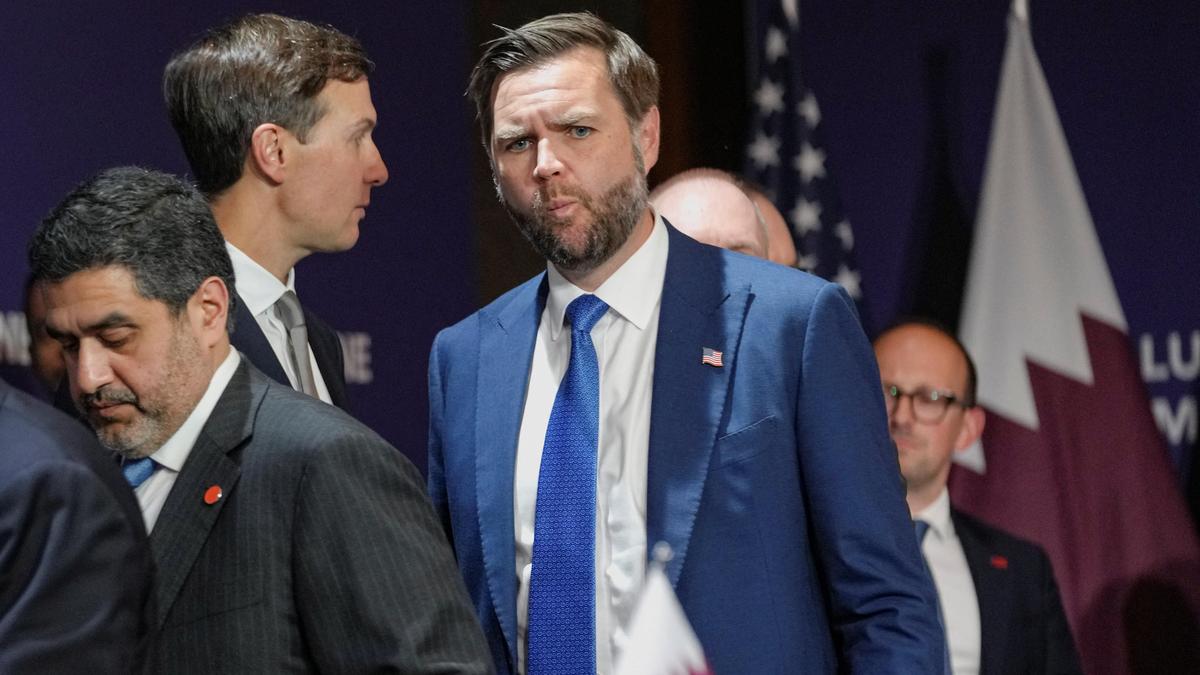
The American delegation is being headed by Vice President J.D. Vance, accompanied by senior adviser Jared Kushner and special envoy Steve Witkoff. Representing Iran are Parliament Speaker Mohammad Bagher Ghalibaf and Foreign Minister Abbas Araghchi.
The discussions are being facilitated by Qatar and Pakistan, which are acting as mediators to bridge the differences between the two sides.
Ahead of the negotiations, Iran claimed that it had once again closed the Strait of Hormuz, one of the world’s most strategically important shipping routes. Tehran has argued that developments in Lebanon, including Israel’s military operations and issues related to Hezbollah, must be included in the broader diplomatic agenda.
The United States has disputed claims of a complete closure, stating that maritime traffic through the waterway continues. President Trump has also warned that if a comprehensive agreement is not reached within 60 days, Washington could consider measures affecting vessels using the crucial shipping corridor.
Sources familiar with the discussions indicate that negotiators expected talks to continue late into the night due to the complexity of the issues involved. A significant portion of the discussions reportedly focused on clarifying Iran’s recent statements regarding the Strait of Hormuz and exploring mechanisms to ensure uninterrupted maritime trade.
Participants also examined proposals aimed at maintaining stability in southern Lebanon and strengthening the enforcement of ceasefire arrangements in the region.
The uncertainty surrounding the Strait of Hormuz has already had an impact on global energy markets. As a critical route for international oil and natural gas shipments, the waterway is closely watched by investors and governments worldwide.
U.S. crude oil prices rose nearly 3 per cent to approximately $78.70 per barrel, while Brent crude, the international benchmark, climbed above $81 per barrel amid concerns over potential supply disruptions.
According to sources within the Iranian delegation, the talks have extended beyond regional security matters. Discussions reportedly included the possible release of frozen Iranian financial assets and issues related to Iran’s oil exports, both of which remain important priorities for Tehran.
Analysts believe that Iran’s nuclear program continues to be the most difficult issue facing negotiators. While the United States is seeking greater transparency and international oversight, Iran maintains that its nuclear development efforts comply with peaceful objectives.
Source: News Agencies
The site is very responsive and the updates are frequent. It feels like they actually care about the user experience. Definitely check out br939bet46 if you want a reliable spot.