By: The Trek News Desk
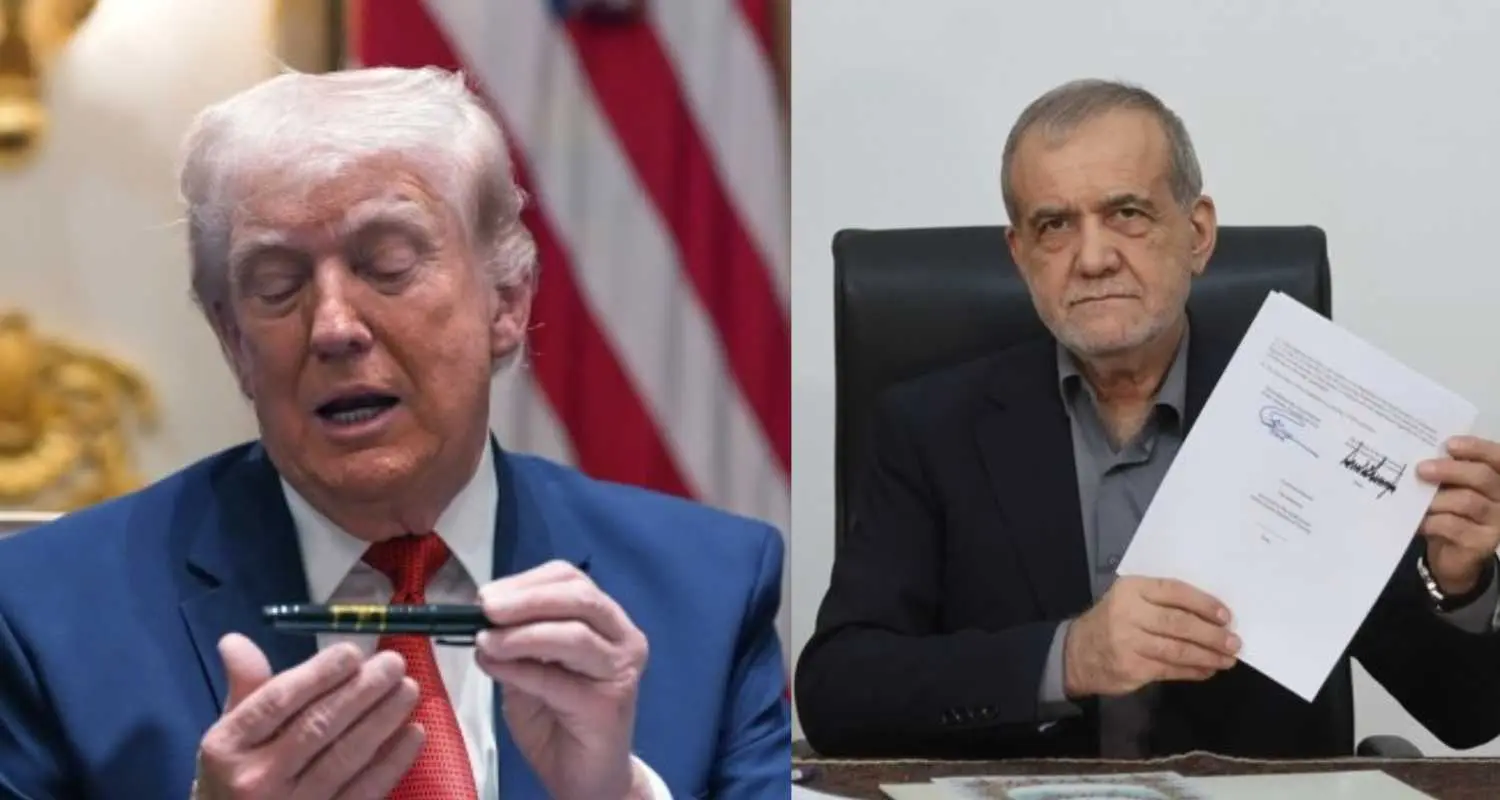
In a significant diplomatic development, the United States and Iran have signed a preliminary peace agreement to ease tensions and pave the way for an end to the ongoing conflict between the two nations. The memorandum of understanding represents the first formal step toward restoring stability in the region after months of escalating hostilities.
Under the framework of the agreement, the strategically important Strait of Hormuz is expected to reopen for normal commercial operations, helping to restore global energy supply routes. The deal also outlines a proposed $300 billion reconstruction initiative for Iran, while the United States has indicated that economic sanctions imposed on Tehran could be gradually lifted as negotiations progress.
Despite the breakthrough, one of the most critical issues remains unresolved: Iran’s nuclear program. Both sides have agreed to continue negotiations on the matter over the next 60 days, with the possibility of extending discussions if necessary.
Speaking during the G7 Summit in France, US President Donald Trump defended the preliminary accord, arguing that a prolonged conflict could have triggered severe economic consequences worldwide.
According to Trump, financial markets reacted positively whenever signs of peace emerged, while uncertainty surrounding the conflict continued to weigh on investor confidence. He also cautioned that Washington would consider stronger measures if a final and comprehensive agreement could not be reached.
Iranian President Masoud Pezeshkian has also endorsed the initial agreement, signalling Tehran’s willingness to pursue diplomatic engagement. However, senior Iranian officials remain sceptical about US intentions.
Mohammad Bagher Ghalibaf, Speaker of Iran’s Parliament and a key figure in the negotiations, stated that Iran’s mistrust of Washington has not disappeared. While emphasising that Tehran prefers a peaceful resolution, he warned that the country remains prepared to respond if its national security or sovereignty is threatened.
The conflict had placed significant pressure on global energy markets, particularly after disruptions to shipping through the Strait of Hormuz, a critical maritime route for a substantial share of the world’s oil and liquefied natural gas exports.
Following news of the agreement, international oil prices showed signs of easing. Brent crude slipped by around 1 per cent during early Asian trading, although prices remain higher than before the conflict began.
As part of the preliminary framework, Iran has reiterated its commitment not to develop nuclear weapons. The agreement also proposes that highly enriched uranium currently held in the country will be diluted under the supervision of the International Atomic Energy Agency (IAEA).
This marks a softer approach compared to earlier US demands, which called for the complete removal of Iran’s enriched nuclear material from the country.
If successful, the final agreement could contribute to greater stability across the Middle East while also providing relief to global energy markets and international investors.
Source: News Agencies