By: The Trek News Desk
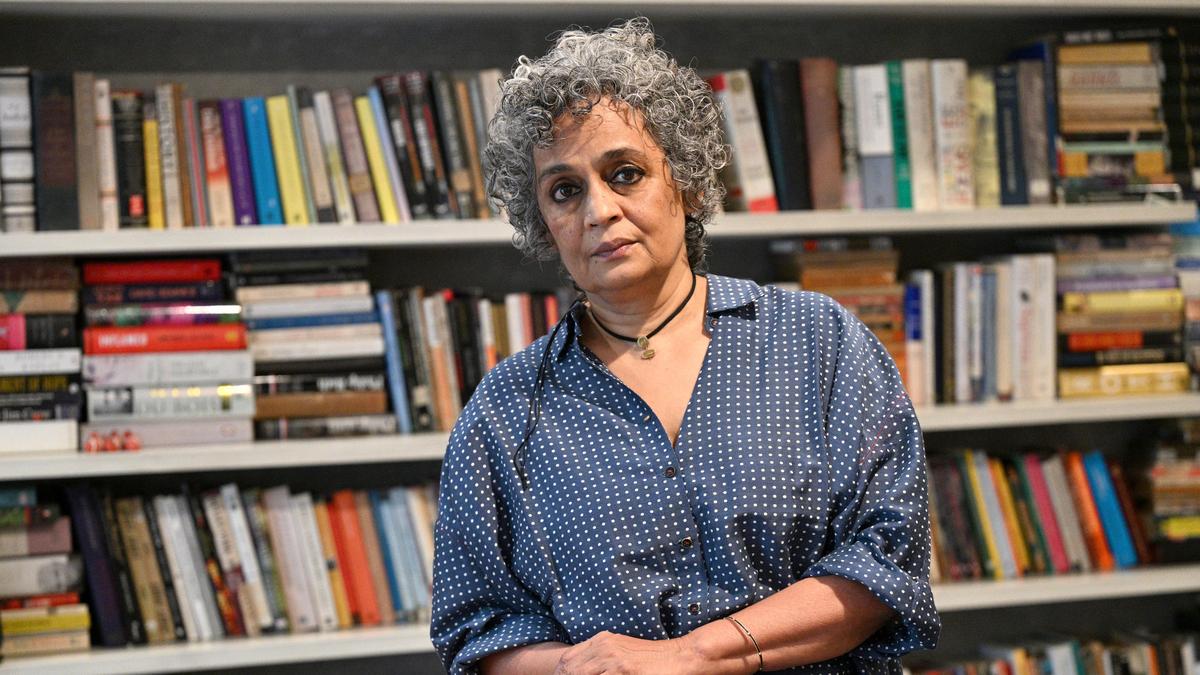
Renowned Indian author Arundhati Roy has announced her decision to step away from the Berlin International Film Festival, expressing strong disappointment over comments made by members of the festival’s jury regarding the ongoing war in Gaza. She described the statements as “unacceptable” and “deeply shocking.”
In a written statement, Roy objected particularly to remarks by jury chair Wim Wenders, who suggested that art should remain separate from politics. According to Roy, such views attempt to silence necessary conversations at a time when Gaza is witnessing a severe humanitarian crisis. She argued that artists cannot detach themselves from moral and political realities unfolding around the world.
Roy, best known for her Booker Prize-winning novel The God of Small Things, stated unequivocally that the situation in Gaza amounts to genocide against the Palestinian people. She further alleged that the war has received backing from governments, including the United States and Germany, along with several European nations, making them complicit in the crisis.
The controversy emerged during a panel discussion held at the opening of the Berlin International Film Festival, widely known as the Berlinale. A journalist questioned the jury about Germany’s support for Israel and what was described as a selective stance on human rights issues. Responding to the query, Wenders maintained that filmmakers should focus on storytelling and avoid stepping into political territory. Fellow jury member and Polish producer Ewa Puszczynska echoed a similar sentiment, suggesting that filmmakers should not be held accountable for government policies.
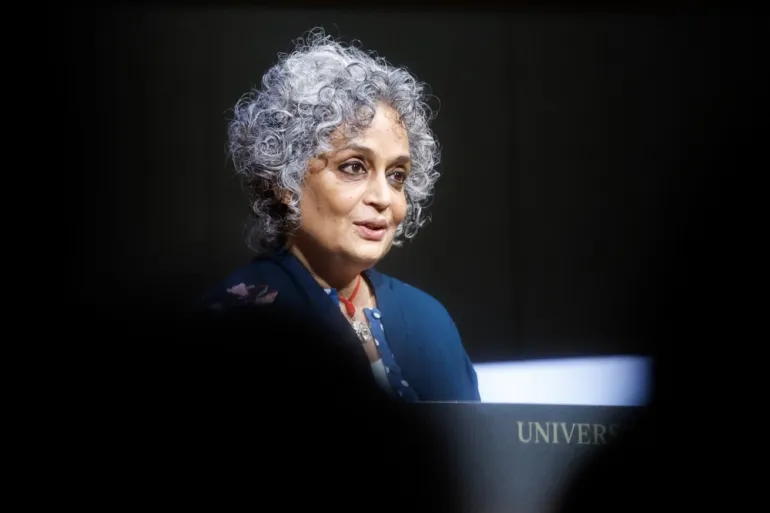
Roy had been scheduled to attend the festival, which runs from February 12 to 22, as her 1989 film In Which Annie Gives It Those Ones was selected for screening in the Classics section. Her withdrawal marks a significant moment in the festival’s ongoing debate over artistic freedom and political responsibility.
Germany, considered one of the largest arms exporters to Israel after the United States, has in recent years faced criticism over its approach to pro-Palestinian expressions. In 2024, more than 500 international artists, filmmakers, and writers called for a boycott of German-funded cultural institutions, alleging that restrictive policies were limiting freedom of expression and suppressing solidarity with Palestine.
Roy’s decision has reignited global debate within cultural circles about whether art can, or should, remain separate from politics during times of conflict.
Source: News Agencies