
By: The Trek News Desk
Diplomatic engagement between the United States and Iran has taken a significant turn after Washington announced temporary relief on key oil-related sanctions against Tehran. However, optimism surrounding the talks has been tempered by a disagreement over the return of international nuclear inspectors.
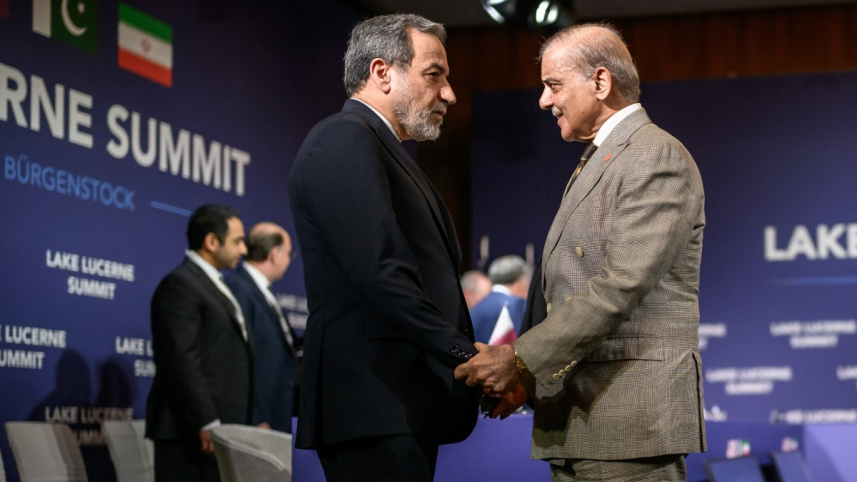
Following negotiations held in Bürgenstock, Switzerland, US Vice President JD Vance stated that Iran could soon allow inspectors from the International Atomic Energy Agency (IAEA) to regain access to its nuclear facilities. According to Vance, discussions regarding the inspectors’ return could begin immediately.
Iran, however, swiftly pushed back against the claim. Foreign Ministry spokesperson Esmail Baghaei said Tehran had made no fresh commitments regarding IAEA inspections. He emphasised that any future cooperation with international inspectors would take place strictly under Iran’s existing legal framework and decisions made by the country’s Supreme National Security Council.
In a major policy shift, the US Treasury Department has issued a 60-day waiver easing several restrictions on Iran’s oil and petrochemical sector. The move allows Iran to conduct transactions in US dollars and resume broader participation in global energy markets.
Under the temporary exemption, which remains in effect until August 21, restrictions on the production, sale, transportation, insurance, and banking activities linked to Iranian crude exports have been partially lifted. Analysts view the decision as one of the most significant relaxations of US economic pressure on Iran in recent years.
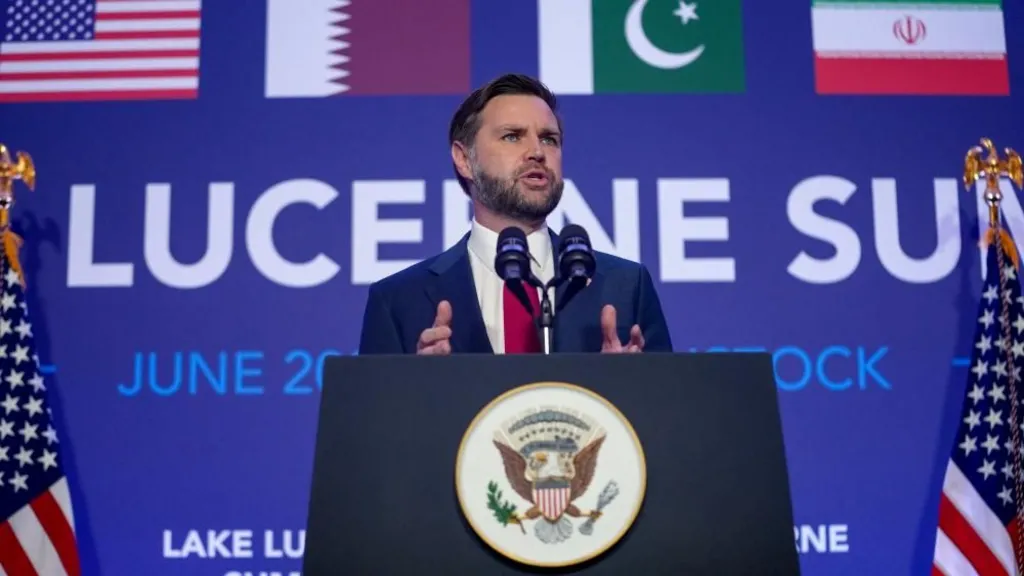
US Treasury Secretary Scott Bessent said the sanctions relief was tied to assurances from Tehran that it would help keep the strategically important Strait of Hormuz open and cooperate on matters related to international nuclear oversight.
Despite Washington’s assertions, Iranian officials maintain that no new agreement has been reached regarding the return of nuclear inspectors.
The issue remains sensitive following last year’s military strikes by Israel and the United States on Iranian nuclear-related facilities. In response, Tehran restricted access for IAEA personnel, leading the UN nuclear watchdog to withdraw its remaining inspectors from the country.
The latest talks were facilitated by Qatar and Pakistan, which issued a joint statement saying both sides had agreed on a roadmap aimed at securing a comprehensive agreement within the next 60 days.
The discussions reportedly covered regional stability, maritime security, and measures to reduce tensions in critical waterways. Officials involved in the negotiations described the initial round of talks as constructive and capable of laying the groundwork for future progress.
US President Donald Trump also weighed in on the negotiations, saying Iran would eventually need to accept extensive weapons inspections. He warned that Washington would not hesitate to respond if Tehran failed to honour any future commitments or engaged in activities viewed as threatening regional security.
Source: News Agencies
I’ve tried a few sites lately but this one is surprisingly smooth. The payouts are quick and the interface is easy to navigate. Definitely worth a visit vx7775