
By: The Trek News Desk
Australia has reported its first confirmed case of the highly contagious H5N1 bird flu virus, marking the arrival of the strain in the only continent that had previously remained unaffected. With this detection, H5N1 has now been reported across all continents worldwide.
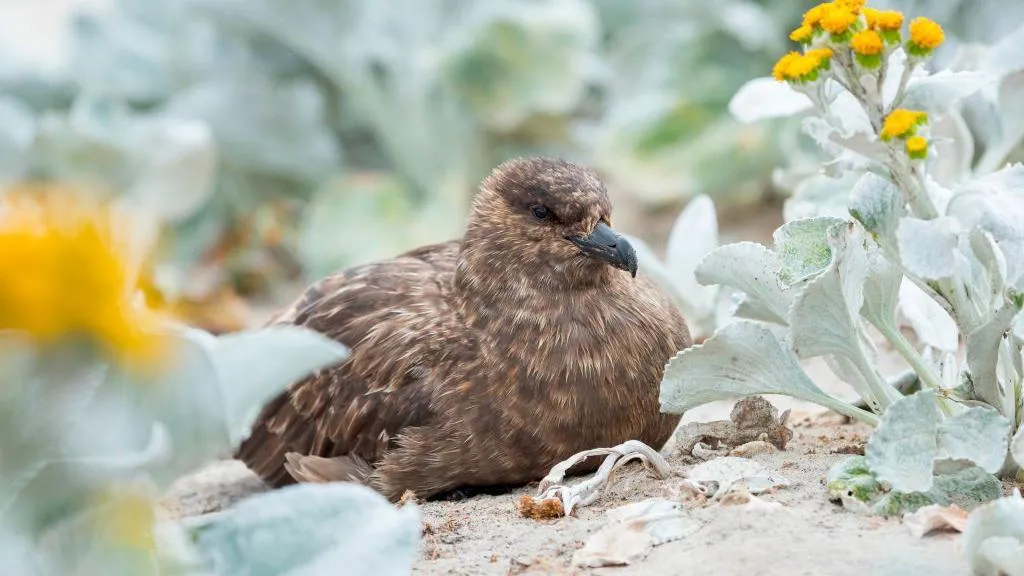
Australia’s Agriculture Minister Julie Collins confirmed on Saturday that the virus was identified in a migratory seabird found in Western Australia. The infected bird, a brown skua, was discovered on a beach near Cape Le Grand National Park, close to the town of Esperance, located around 700 kilometres southeast of Perth.
Until now, Australia was the only continent where the H5N1 strain had not been detected. Following the confirmation of the case, authorities have increased surveillance efforts to track any possible spread among wild bird populations and domestic poultry.
Minister Collins said that maintaining a completely bird-flu-free status indefinitely was not realistic. She also revealed that another suspected case involving a southern petrel is being investigated after the bird was found in a weak condition on an Esperance beach. However, officials said there is currently no evidence of widespread bird deaths.
The H5N1 virus was earlier detected in October last year on Australia’s remote Heard and McDonald Islands, located in the southern Indian Ocean. A recent study suggested that the outbreak had a devastating impact on wildlife in the region.

Researchers estimated that nearly 13,000 seal pups out of a population of around 17,000 on Heard Island died due to the virus since last August. The study also reported unusually high mortality rates among penguin populations.
Scientists believe the virus may have reached the islands through migratory birds travelling from the French-owned Crozet Islands, which are located approximately 1,800 kilometres away.
Bird flu is a viral infection that primarily affects birds but can also spread to certain mammals, including animals such as foxes and seals.
The H5N1 strain is currently the dominant form of bird flu circulating among wild birds worldwide. It was first identified in China in the late 1990s and has since spread internationally through migratory bird movements, causing outbreaks among both wild and domestic bird populations.
Human infections with H5N1 remain extremely rare and are generally linked to direct contact with infected animals.
Source: News Agencies


This place has a great vibe and the winning streaks are real. I’ve tried a few others but this one feels more rewarding. Definitely visit pkwof777.
The excitement on this site is next level! I had a great run last night and the customer support was super helpful. Give f188game a try for sure.
Finally found a site that actually treats players right. The bonuses at xjilicom are legit and easy to claim.
Absolutely loving the gameplay here. The graphics are sharp and the winning streaks are real. Join krevoplay