By: The Trek News Desk
In a significant legal development, the UK High Court has ruled that the government’s decision to designate the pro-Palestinian campaign group Palestine Action as a terrorist organisation was unlawful. The verdict has been welcomed by the group as a major victory for civil liberties and freedom of expression in Britain.
The case was brought forward by the group’s co-founder, Huda Ammori, who contested the government’s move in court. Responding to the judgment, she described it as a “historic win” for fundamental freedoms in the UK and for those advocating Palestinian rights. According to her, the ban represented one of the most severe crackdowns on free speech in recent British history.
Despite the ruling, the British government has made it clear that it intends to challenge the judgment in a higher court. Home Secretary Shabana Mahmood expressed disappointment with the decision and confirmed that the government would appeal to the Court of Appeal.
In June 2025, the UK government announced plans to outlaw Palestine Action under counterterrorism legislation. The designation effectively placed the group in the same legal category as organisations such as al-Qaeda and ISIL, making membership or public support a criminal offence.
The move sparked widespread criticism from civil rights organisations and triggered protests across the country.
Campaign group Defend Our Juries stated that approximately 2,787 individuals were arrested under terrorism-related charges for peacefully holding placards that read, “I oppose genocide. I support Palestine Action,” during silent vigils across the UK.
Following the High Court’s ruling, those arrests could now be deemed unlawful.
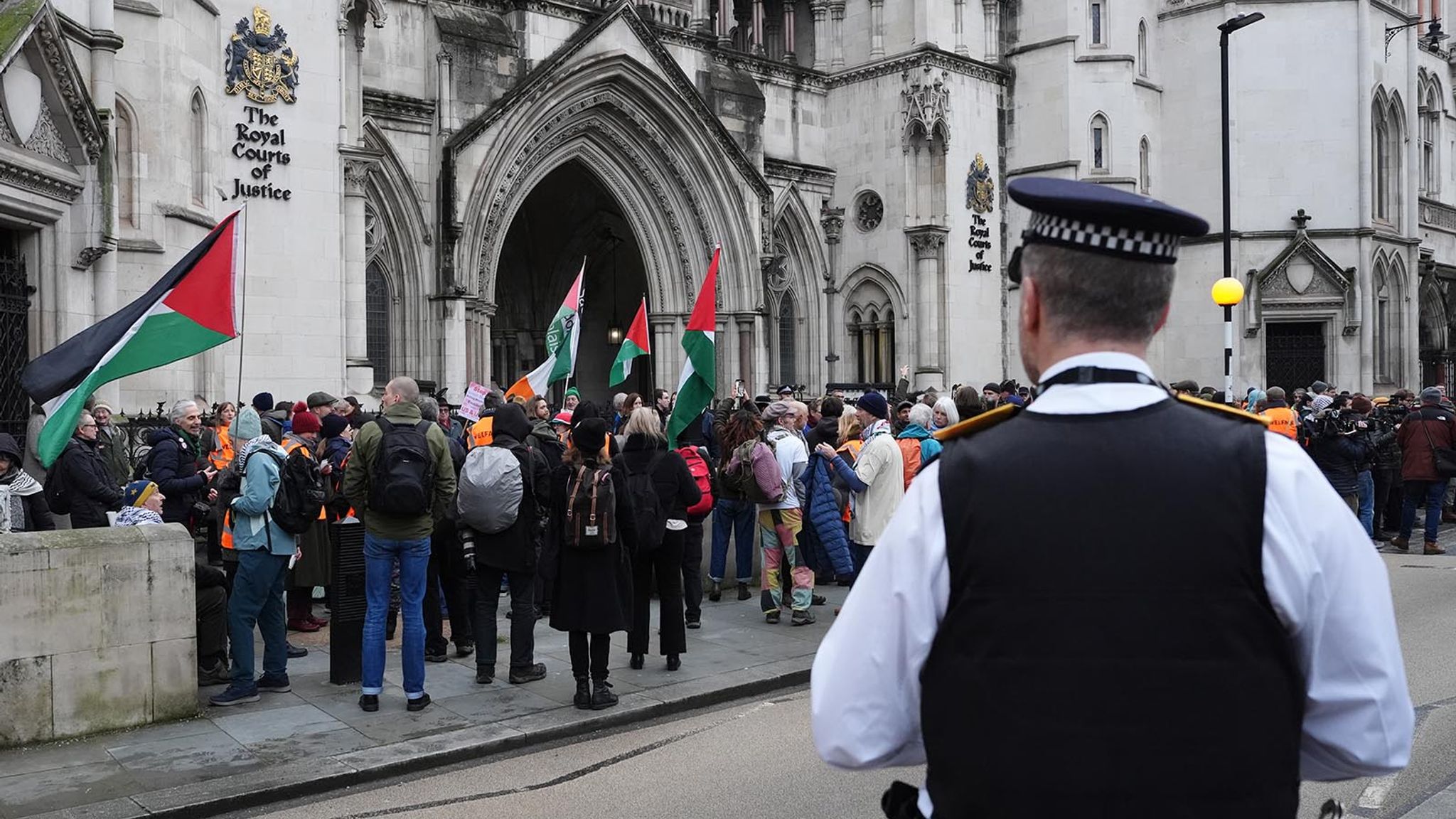
Scenes of celebration unfolded outside the London courthouse after the verdict was announced, with supporters chanting pro-Palestinian slogans. Among those welcoming the decision was artist Nicola Moxham, who had previously been arrested for supporting the group. She called the ruling a “vindication” and said it reaffirmed the right to peaceful protest.
The case has reignited debate in the UK over freedom of expression, the right to protest, and the application of counterterrorism laws. With the government preparing to appeal, the legal and political battle is expected to continue.
For now, the High Court’s ruling marks a pivotal moment in the ongoing discussion around civil liberties and state powers in Britain.
Source: News Agencies