
By: The Trek News Desk
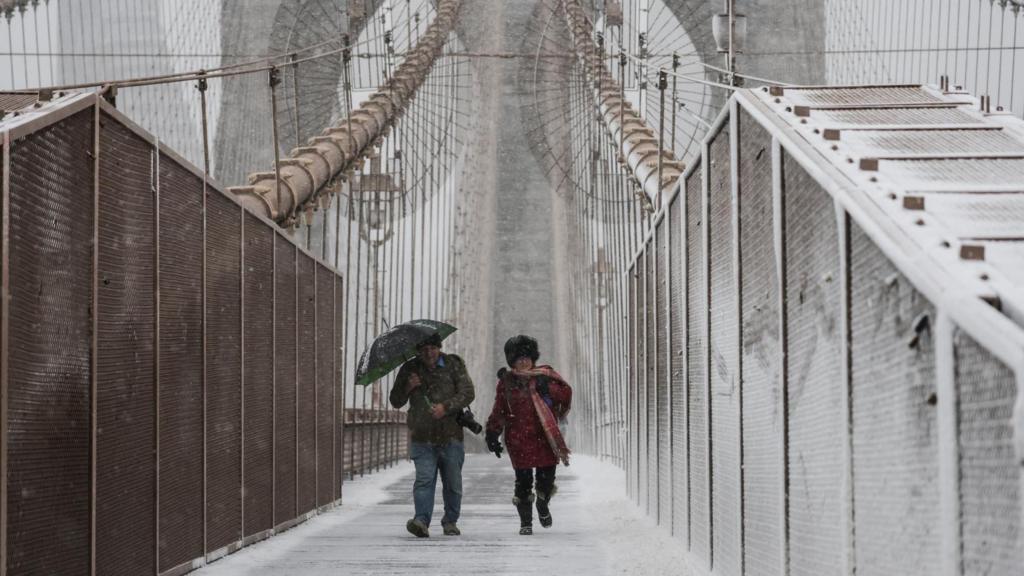
A massive winter storm, described as one of the strongest to hit the US East Coast in nearly a decade, has triggered widespread disruption, prompting authorities in New York City to enforce a sweeping travel ban. The blizzard, which began on Sunday, is expected to continue through Monday afternoon, significantly impacting transportation and daily life.
Nearly 40 million people are currently under blizzard warnings, including residents of New York City, Boston, Philadelphia and Long Island. An additional 19 million people are facing winter storm warnings as heavy snowfall and strong winds batter the region.
According to the National Weather Service, states such as New York, New Jersey, and Connecticut have declared emergencies. Snowfall between 18 and 24 inches is forecast in certain areas. By early Monday, several inches of snow had already accumulated across the Northeast, with parts of New York and New Jersey reporting up to 10 inches.
New York City Mayor Zohran Mamdani announced a travel ban effective from 9:00 p.m. Sunday until noon Monday. During this period, only emergency and essential vehicles are permitted on roads and bridges across the city’s five boroughs. All public schools remain closed, and the restriction also extends to e-bikes commonly used for food deliveries.
Urging residents to stay indoors, the mayor emphasized that non-essential travel could pose serious safety risks. The city is under a blizzard warning for the first time in nine years, with the previous such alert issued in March 2017.
Meanwhile, flight operations across the United States have been severely disrupted. Data from flight-tracking service FlightAware indicates that more than 5,000 flights within, into, or out of the country have been cancelled. As of 8:45 GMT on Monday, 5,326 cancellations had been recorded. Airports are advising passengers to confirm flight status with airlines before heading to terminals.
A blizzard is officially defined as a winter storm that combines heavy snowfall with sustained winds exceeding 35 mph (56 km/h), reducing visibility to less than a quarter mile for at least three consecutive hours.
This marks the second major winter storm to impact New York this year. A prolonged cold wave in January claimed 19 lives, although that system lacked the high winds necessary to qualify as a blizzard.
Weather experts warn that the ongoing storm could continue to disrupt road traffic, air travel, and routine activities for several days before conditions gradually improve.
Source: News Agencies