By: The Trek News Desk
India has participated in the Zapad-2025 military exercise hosted by Russia and Belarus, which included a mock drill for the launch of tactical nuclear weapons by Russian forces. Conducted amid rising global tensions, India’s participation has raised questions within the international community. The Indian Ministry of Defence has confirmed the deployment of 65 Indian soldiers for the exercise.
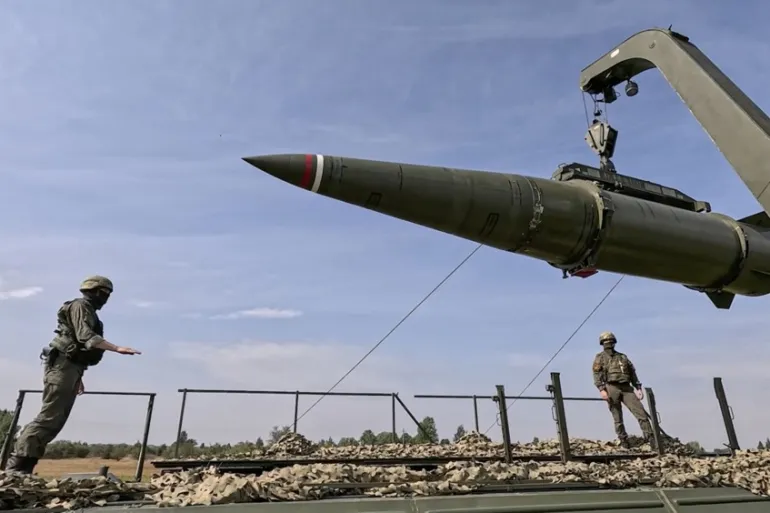
During the drills, Russia also tested its Oreshnik hypersonic missile, which was first used during the war in Ukraine last year. The exercise involved several partner countries alongside Russia and Belarus.
India and Russia have maintained historical and strategic ties since the Soviet era. In recent years, however, India has also strengthened its relationship with the United States. Despite this shift, military cooperation with Russia continues, as reflected in India’s presence at Zapad-2025.
The Indian Army was represented by a battalion from the Kumaon Regiment, with the stated aim of enhancing “cooperation and mutual trust” with Russia. The exercise is being interpreted by some analysts as a message to Europe, where many nations have expressed concern over Russia’s growing military assertiveness.
Belarusian President Alexander Lukashenko called the exercise “natural” and described it as a warning to Europe. Belarus’s Ministry of Defence confirmed that the drill included mock launches of tactical nuclear weapons. In addition, Russia tested its Oreshnik missile once again, the same missile it had used during attacks on Ukraine last year.
For India, the event comes at a time of diplomatic complexity. While India shares long-standing ties with Russia, it has also been working to build a strategic partnership with the United States. At the same time, trade tensions with the U.S. have increased—particularly due to former President Donald Trump imposing a 50% tariff on Indian oil imports from Russia.
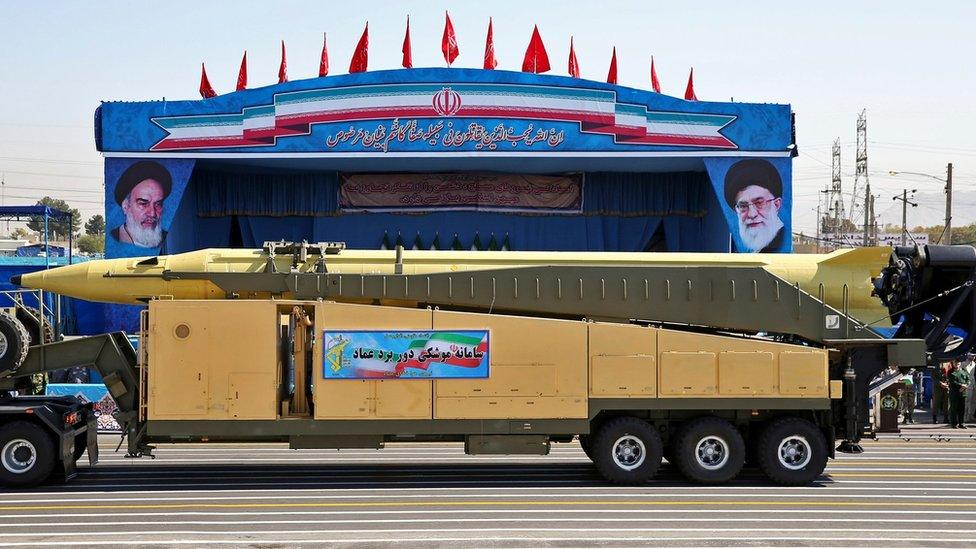
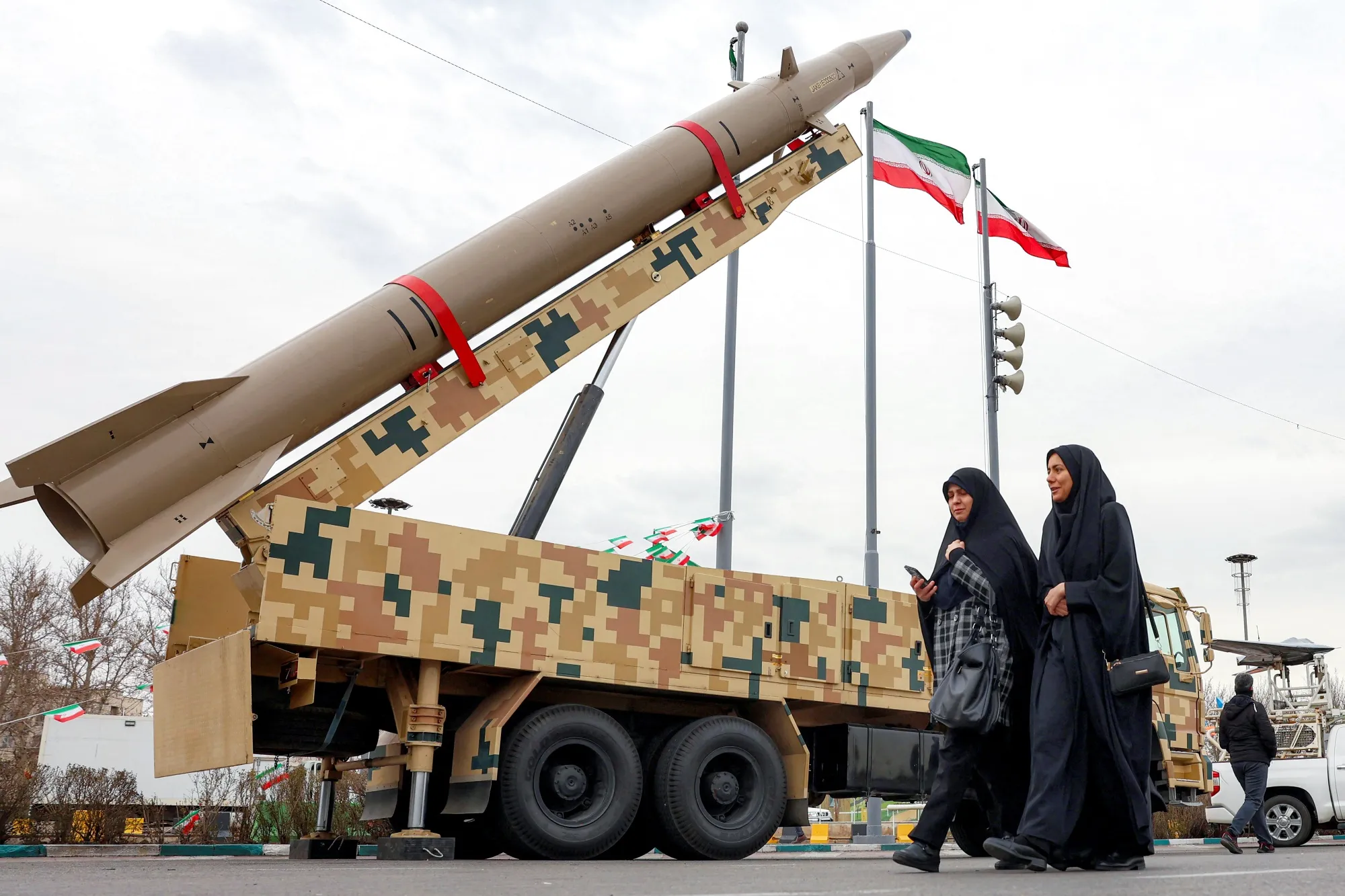
Iran was also reportedly involved in the Zapad-2025 exercise, although official confirmation is still pending. Military ties between Russia and Iran have deepened, especially following Iran’s supply of drones and ballistic missiles to Russia during the Ukraine war.
The two countries have signed a “comprehensive strategic partnership” agreement aimed at expanding military and other forms of cooperation. Additionally, Russia and Iran recently conducted a joint military drill in the Caspian Sea.
India’s participation in Zapad-2025 signals its ongoing effort to maintain a balanced diplomatic stance. Its strong historical ties with Russia, coupled with growing engagement with the U.S., highlight the complexity of India’s foreign policy and the challenges it faces in navigating strategic decisions on the global stage.
Source: News Agencies