
By: The Trek News Desk
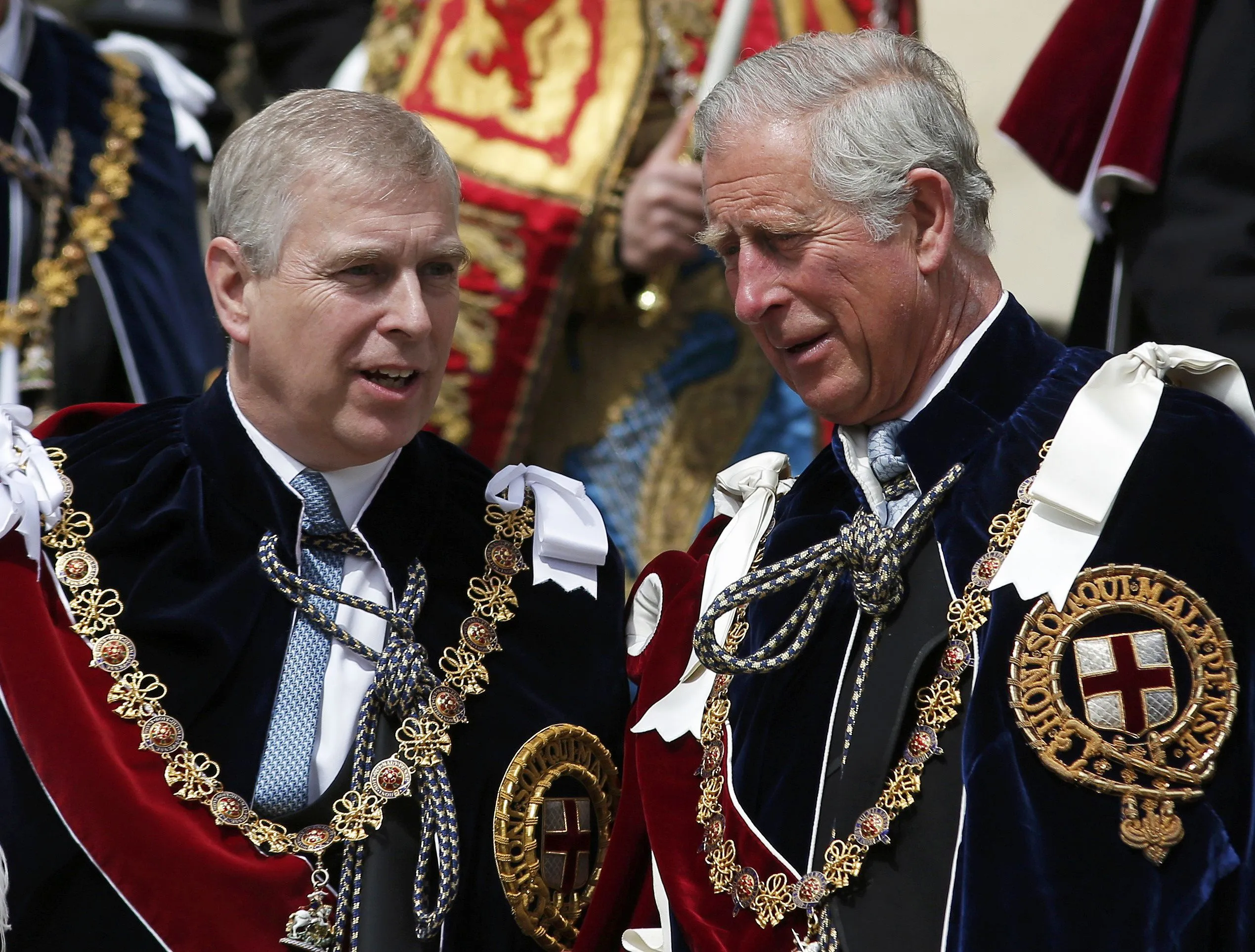
The British government is seriously considering bringing forward legislation to remove Andrew Mountbatten-Windsor from the royal line of succession. This move would permanently block any possibility of him becoming King in the future.
Defence Minister Luke Pollard indicated in a recent interview that, irrespective of the outcome of the ongoing police investigation, excluding Andrew from the succession order would be “the right thing to do.” At present, Andrew, the brother of King Charles III, remains eighth in line to the throne, despite having been stripped of his royal titles.
Andrew was recently arrested on suspicion of misconduct in public office but was released under investigation after approximately 11 hours. He has consistently denied all allegations against him.
The government has confirmed that discussions are underway with Buckingham Palace to explore the legal pathway required to ensure that Andrew does not come “within a heartbeat of the throne.”
Any change to the line of succession would require an Act of Parliament, meaning the proposal must be approved by both the House of Commons and the House of Lords. It would then need to receive royal assent from King Charles III before becoming law.

Additionally, the change would require the consent of the 14 Commonwealth realms where the King serves as head of state, including Canada, Australia, Jamaica, and New Zealand.
The most recent amendment to succession rules occurred in 2013 through the Succession to the Crown Act, which removed the disqualification for those who married a Catholic. The last time an individual was formally removed from the line of succession was in 1936, when Edward VIII and his descendants were excluded following his abdication.
Liberal Democrat leader Ed Davey stated that police must be allowed to complete their investigation without interference, but acknowledged that Parliament would eventually need to consider the issue.
The Scottish National Party’s Westminster leader, Stephen Flynn, signalled support for the move if legislation is introduced. Labour MP Rachael Maskell has also expressed backing for removing Andrew not only from the line of succession but also from the role of Counsellor of State.
Counsellors of State are authorised to carry out certain official duties on behalf of the monarch when he is abroad or unwell. In practice, however, only active working royals are typically called upon to fulfil these responsibilities.
Historian David Olusoga has suggested that both the government and the royal household appear keen to create a clear separation between the current controversy and the broader institution of the monarchy.

Andrew stepped back from public duties in 2019 following intense criticism over his association with Jeffrey Epstein. The renewed scrutiny has amplified calls for formal constitutional action.
Meanwhile, Conservative Party leader Kemi Badenoch urged restraint, emphasising that individuals in public life should allow the police investigation to proceed without political interference.
Constitutional experts note that altering the royal line of succession is a complex and sensitive process, requiring coordination between Parliament and multiple Commonwealth nations. However, mounting political pressure may push the government to take formal steps in the near future.
As discussions continue, the proposal marks one of the most significant potential changes to Britain’s constitutional framework in recent years.
Source: News Agencies