
By: The Trek News Desk
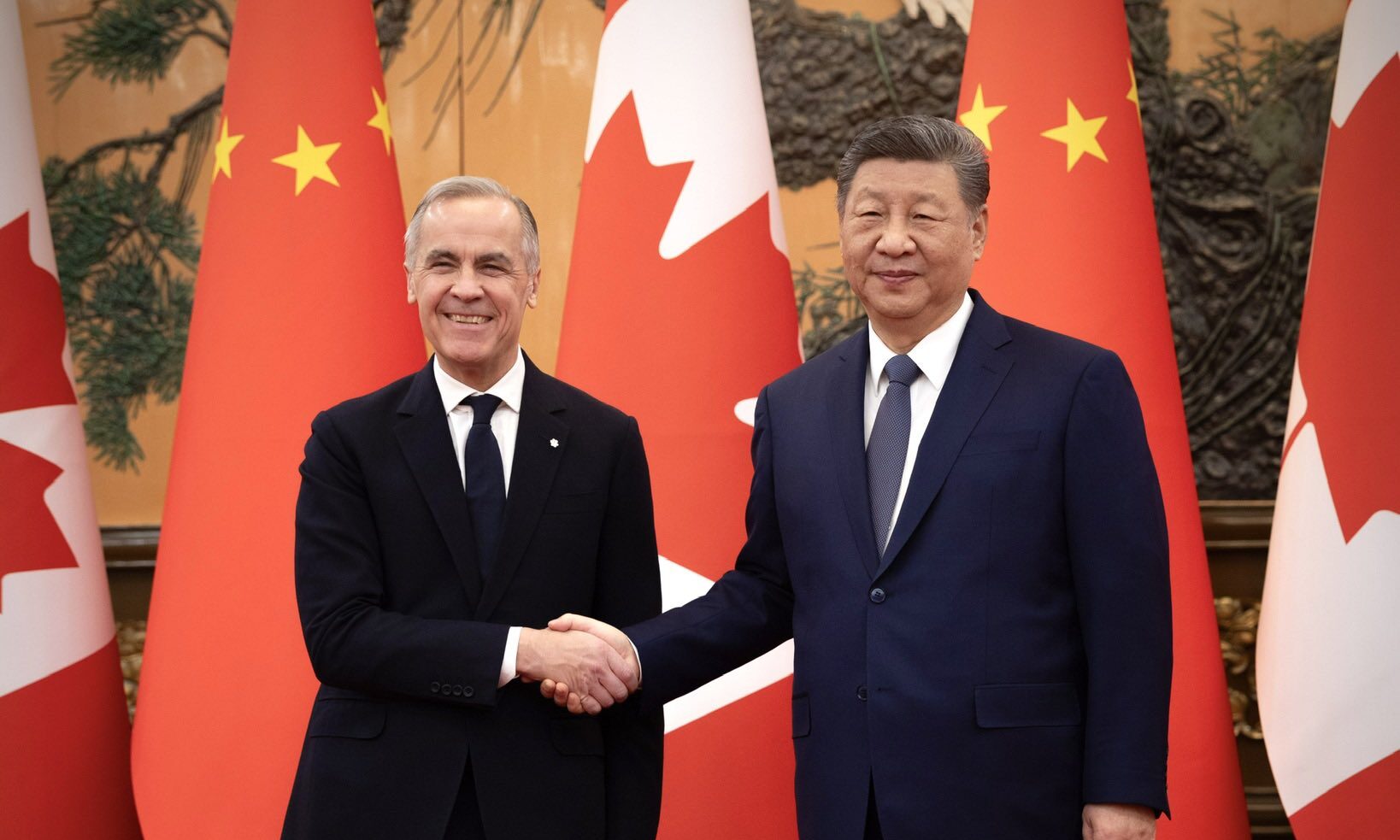
Canada and China on Friday announced significant tariff reductions, marking a fresh start in bilateral relations following a high-level meeting between Canadian Prime Minister Mark Carney and Chinese President Xi Jinping in Beijing.
Under the new agreement, China will lower tariffs on Canadian canola oil from 85% to 15%, effective by March 1. Meanwhile, Ottawa agreed to impose a 6.1% most-favoured-nation (MFN) tariff on Chinese electric vehicles. Speaking to reporters, Carney called the deal a major step toward resolving years of trade tensions and reciprocal tariffs.
Xi described the meeting as a “positive turnaround” in the relationship, while Carney noted that Canada-China ties are now developing in a more “respectful and predictable” manner. He also emphasized that Ottawa does not align with Beijing on all issues, highlighting Canada’s “red lines,” including human rights, electoral interference concerns, and the need for clear safeguards.
Opportunities in Trade and Investment
Experts say the agreement could serve as a model for other nations feeling economic pressure from U.S. tariffs. Under the deal, Canada will allow only 49,000 Chinese electric vehicles into its market at the 6.1% tariff rate, addressing domestic automakers’ concerns over a surge of low-cost imports.
China is Canada’s second-largest trading partner, with bilateral merchandise trade totaling roughly CAD 118 billion ($85 billion) in 2024. The U.S. remains Canada’s largest partner. Carney stressed that Canada is pursuing a “more competitive, sustainable, and independent economy” amid global trade disruptions.
Reducing Dependence on the U.S.
During his visit, Carney met with leading Chinese business executives in the energy and electric vehicle sectors and signed multiple trade and energy cooperation agreements. He described the visit as a “reset” of relations that, while modest in ambition, is more realistic about achievable outcomes.
A History of Strain
The last Canadian prime minister to visit China was Justin Trudeau in 2017. Relations soured in 2018 after Canada detained Huawei CFO Meng Wanzhou at the U.S. request, and shortly thereafter, Chinese authorities arrested Canadian citizens Michael Kovrig and Michael Spavor on espionage charges. All were released by 2021, but the incidents left lingering tensions.
Xi’s Message: Cooperation for Mutual Gain
During the meeting, Xi stressed that “the healthy and stable development of China-Canada relations benefits global peace, stability, development, and prosperity.” The announcement signals that both countries are now stepping onto a new path for trade and diplomacy after years of friction.
Source: News Agencies