

By: The Trek News Desk
NATO- A Global Military Alliance
The North Atlantic Treaty Organisation (NATO) is an intergovernmental military alliance founded on April 4, 1949, in Washington, D.C. It was created in the aftermath of World War II to counter the growing influence of the Soviet Union and ensure collective defence among Western countries.
Over time, NATO has evolved from a Cold War-era alliance to a global peacekeeping force. Today, its role goes beyond protecting Western nations; it’s seen as a pillar of international security and cooperation.
NATO’s headquarters is located in Brussels, Belgium, and it currently includes 30 member countries across Europe and North America.
Who Are NATO’s Member Countries?
NATO’s membership spans the globe’s most powerful democracies, including:
- United States
- Canada
- United Kingdom
- France
- Germany
- Italy
- Poland
- Turkey
- Norway
- Romania
- Bulgaria
These nations are bound by the principle of collective defence, and an attack on one is considered an attack on all.
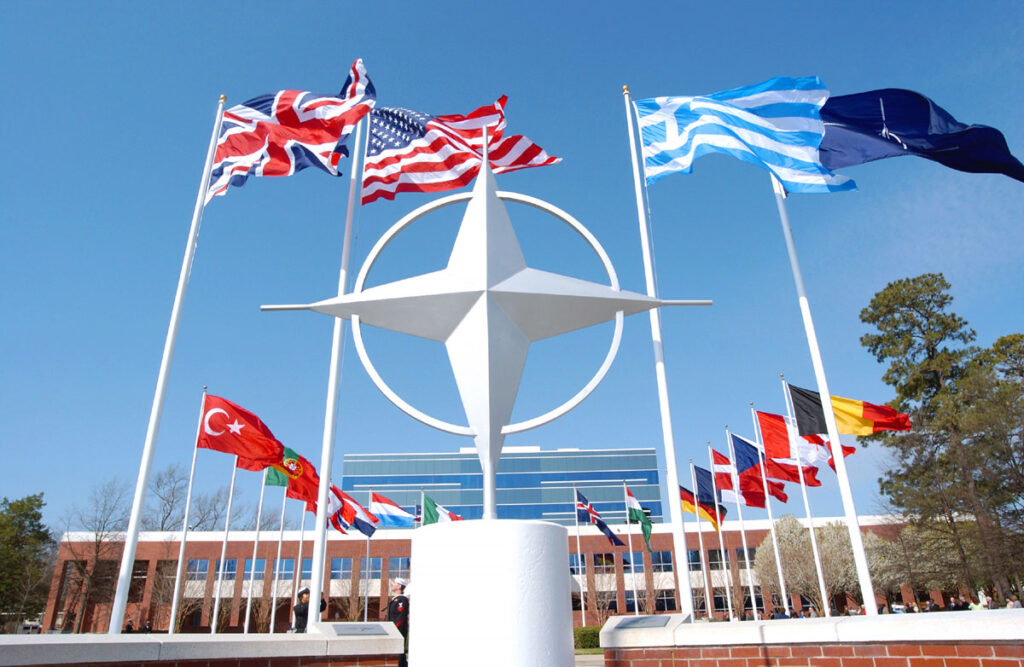
Understanding NATO’s Key Clauses: Article 4 and Article 5
NATO’s founding treaty comprises multiple articles, but Articles 4 and 5 are its most crucial pillars. These articles define how the alliance responds during times of military or geopolitical crises.
Article 4- The “Consultation” Clause
Article 4 is essentially a warning mechanism. If any NATO member feels its territorial integrity, political independence, or security is under threat, it can invoke Article 4 to call an emergency meeting of all member states.
This doesn’t immediately lead to military action. Instead, it’s a diplomatic move to discuss the situation, share intelligence, and explore collective responses.
When Was Article 4 Last Used?
In 2022, following Russia’s full-scale invasion of Ukraine, several Eastern European NATO members, including Poland, Estonia, Latvia, and Lithuania, triggered Article 4.
These nations, all geographically close to Russia or Ukraine, expressed concern that Moscow’s aggression could spill over into their territories. In response, NATO boosted its eastern defences by deploying additional troops and surveillance assets.
Article 5- The “Collective Defence” Clause
Article 5 is the backbone of NATO. It states that an attack against one member is an attack against all and that all members will come to the defence of the attacked nation.
It’s what gives NATO its strength and credibility on the world stage. It also acts as a strong deterrent to potential aggressors.

When Has Article 5 Been Used?
Article 5 has been invoked only once in NATO’s history, after the September 11, 2001, terrorist attacks on the United States.
In the wake of 9/11, all NATO allies stood in solidarity with the U.S. and took collective action against terrorism, including military operations in Afghanistan.
Why Article 5 Wasn’t Invoked in the Ukraine Crisis
Even though Russia’s invasion of Ukraine in 2022 was one of the largest military operations in Europe since World War II, NATO did not invoke Article 5 because Ukraine is not a NATO member.
However, NATO nations have:
- Supplied weapons and aid to Ukraine,
- Imposed sanctions on Russia,
- Strengthened the military presence along NATO’s eastern flank.
If Russia were to attack a NATO member (like Poland or Lithuania), Article 5 would be triggered immediately, potentially pulling all NATO allies into direct conflict.
Why Articles 4 and 5 Matter More Than Ever
In today’s uncertain geopolitical climate, Articles 4 and 5 are more than just legal clauses; they are symbols of unity and deterrence. Here’s why they matter:
1. Reinforces Trust Among Allies
Members know they won’t stand alone in times of crisis. That trust keeps the alliance strong.
2. Prevents War Through Deterrence
The very existence of Article 5 discourages potential enemies from launching attacks on NATO nations.
3. Promotes Peace Through Dialogue
Article 4 allows for early diplomatic intervention, resolving tensions before they escalate into war.
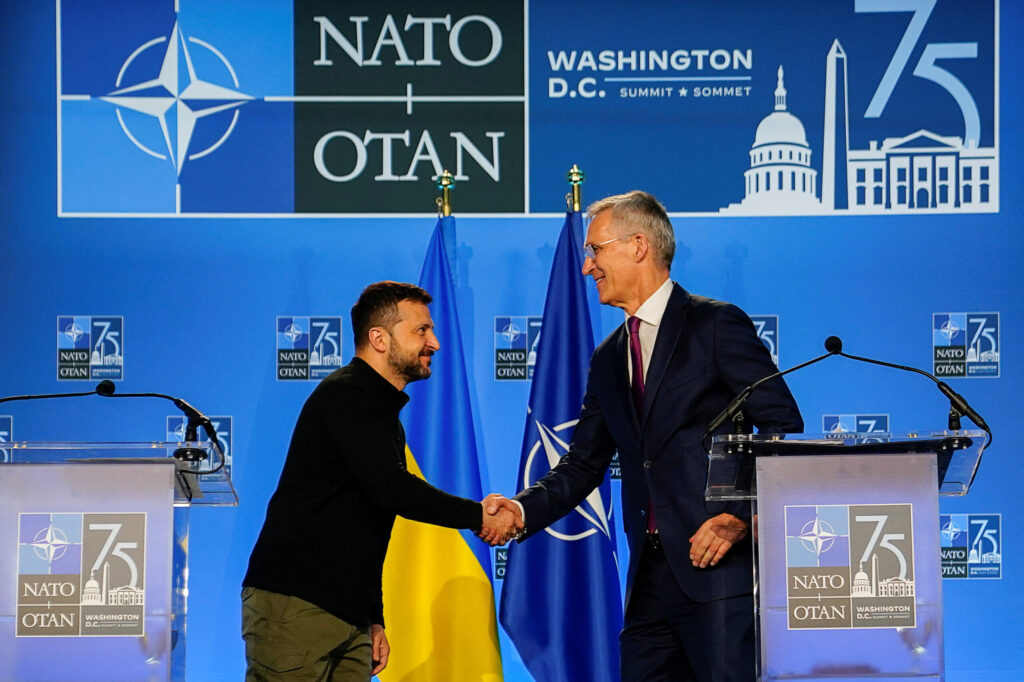
As tensions rise in Eastern Europe, the relevance of NATO’s Articles 4 and 5 has never been more critical. These clauses are at the heart of NATO’s mission to protect peace, deter aggression, and stand together as one.
Whether it’s consulting on rising threats (Article 4) or defending each other in times of attack (Article 5), NATO’s framework continues to be a cornerstone of global stability.

