
By: The Trek News Desk
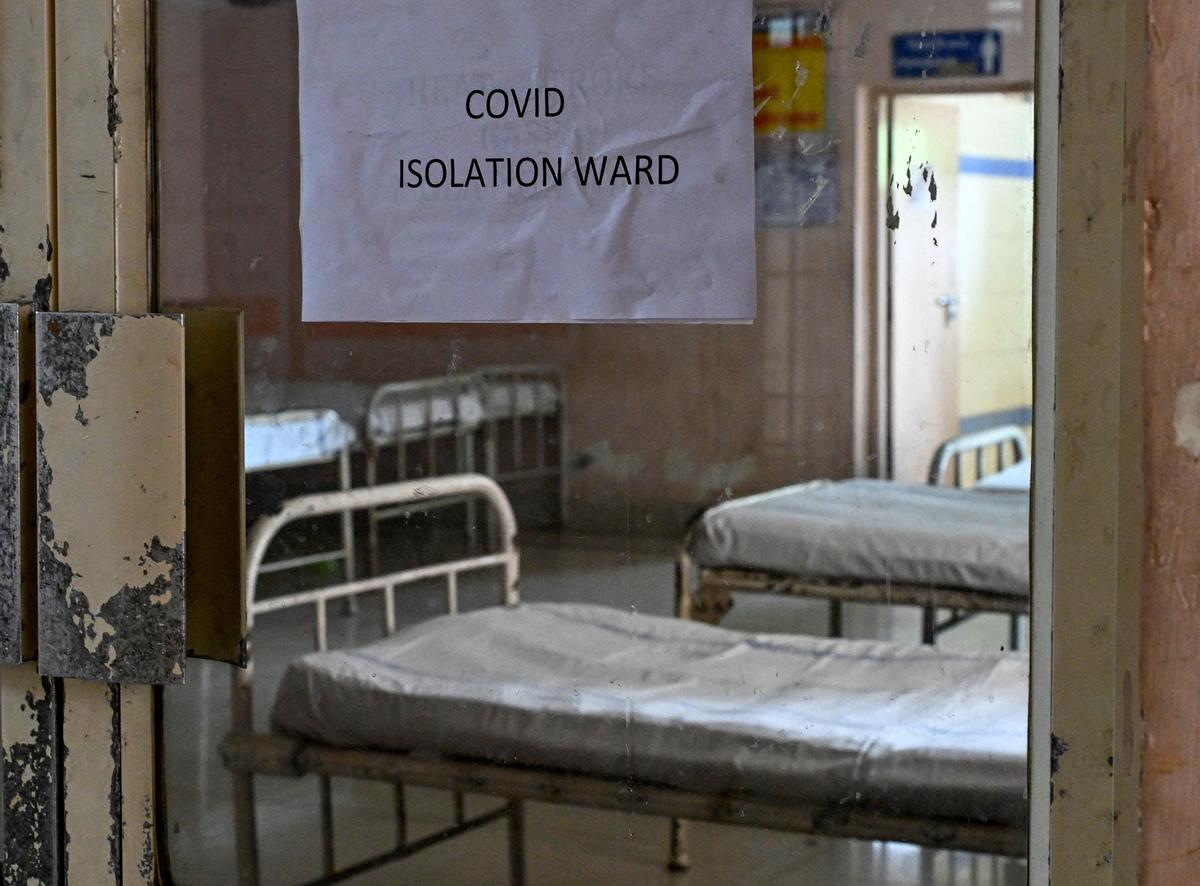
According to a new report released by the World Health Organization (WHO) and the United Nations Children’s Fund (UNICEF), while over 100 countries have made unprecedented efforts to improve the availability of basic services in healthcare facilities, billions of people still rely on healthcare settings that are not equipped with essential infrastructure for proper health services. The report warns that to meet global targets by 2030, efforts and investments must be accelerated.
Dr. Ruediger Krech, Acting Director of the WHO Department of Environment, Climate Change, and Health, stated, “Every patient deserves care in a facility that is safe, hygienic, and fully equipped. Without reliable water, sanitation, hygiene, waste management, and electricity services, healthcare workers cannot prevent infections or provide essential services, putting millions of lives at risk. This report highlights that while some progress is being made, too many people are still receiving treatment in facilities that lack even the most basic services. Governments and partners must now increase investments to ensure every facility is safe, sustainable, and resilient.”
Key Findings from the Report:
- Lack of Basic Services:
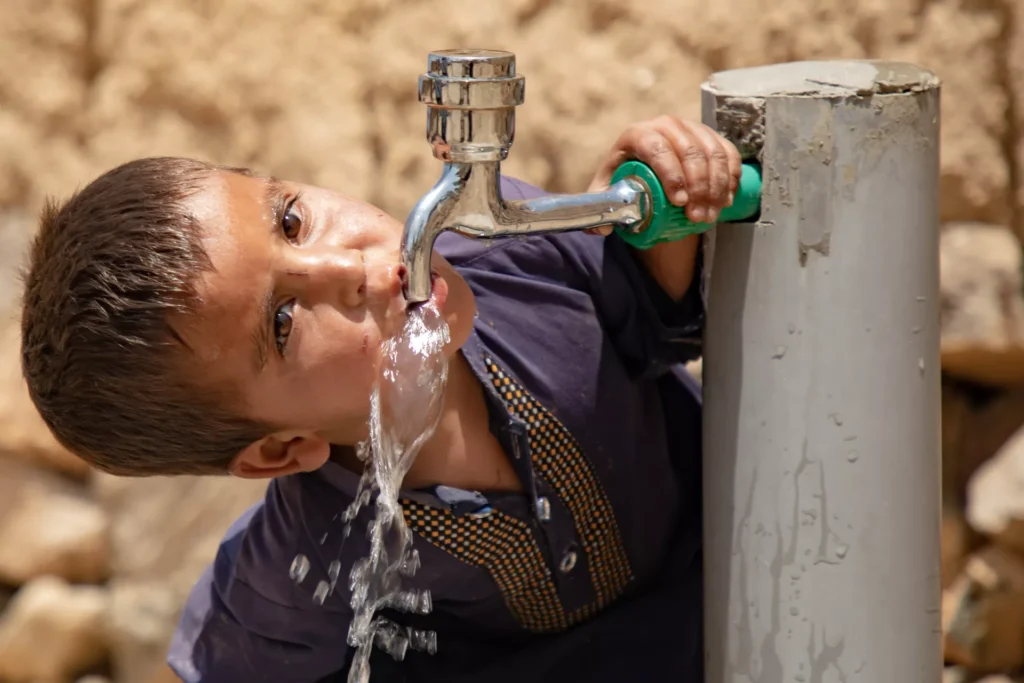
In 2023, approximately 1.1 billion people relied on healthcare facilities without access to basic water services, 3 billion lacked basic sanitation services, 1.7 billion had no access to basic hygiene services, and 2.8 billion were served by facilities without proper waste management services. - Unstable Electricity Supply:
In 2022, nearly 1 billion people depended on healthcare facilities that either had no electricity supply (433 million) or relied on an unreliable electricity supply (478 million). - Increased Commitment:
By 2025, 101 countries had verified data on water, sanitation, hygiene, waste management, and electricity in healthcare facilities, more than double the 47 countries that did so in 2020. This reflects growing collaboration and action towards improving healthcare infrastructure. - National Actions Accelerating:
Over 80% of countries have taken at least one national action, such as developing standards or conducting baseline assessments. Several Least Developed Countries (LDCs), including Ethiopia, Malawi, Nepal, Rwanda, and Uganda, have demonstrated strong readiness to implement and scale up improvements in WASH (Water, Sanitation, and Hygiene), waste management, and electricity in healthcare settings. - Financial Gaps Remain:
Although more than half of the countries have approved national plans, only one in five reports having adequate dedicated funding to implement them.
Global Challenge:
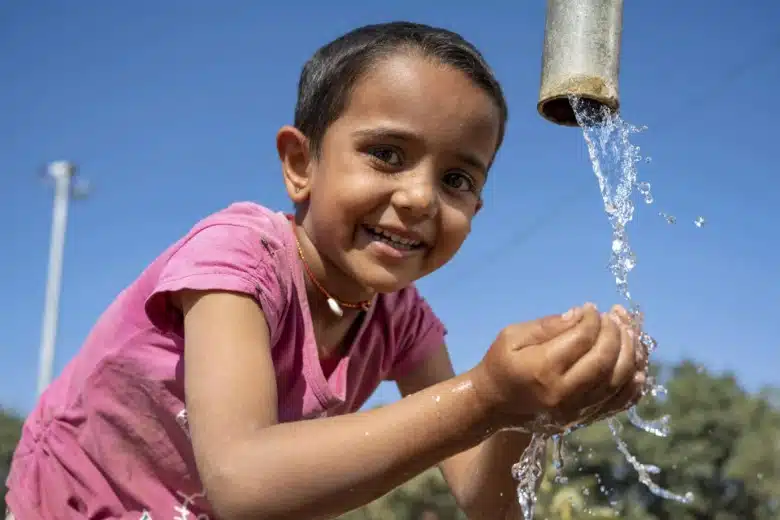
The report will be officially presented at a high-level meeting in New York on 24th September 2025. The meeting will be co-hosted by Hungary and the Philippines, who are the co-chairs of the Group of Friends in Support of WASH in Healthcare Facilities. Governments, UN agencies, and other stakeholders will gather to accelerate progress, close financial gaps, and ensure that every healthcare facility worldwide has access to the essential services needed to provide safe, quality, and dignified care.
The Way Forward:
According to WHO and UNICEF, governments need to increase investment and implement policy reforms to address the gaps in healthcare facility services. It is crucial to ensure that every healthcare facility is reliable, sustainable, and capable of meeting global health standards, so that the health needs of all populations are met with dignity and quality care.
Source: WHO & UNICEF