
By: The Trek News Desk
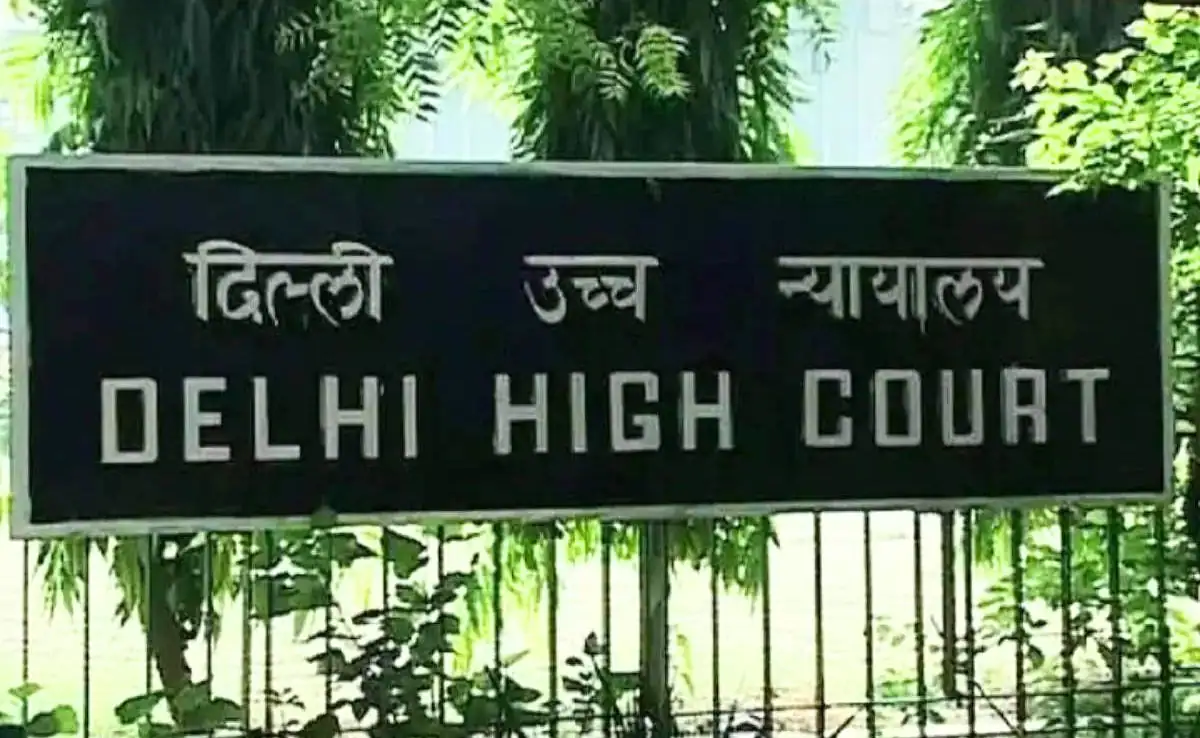
The Delhi High Court has raised concerns over the rapid rise of unregulated digital journalism, observing that in today’s digital era, virtually anyone carrying a mobile phone and a microphone can present themselves as a reporter, even without professional training, ethical standards, or editorial accountability.
The remarks were made by Justice Girish Kathpalia while hearing a bail application on July 16 in a case involving the alleged assault of two freelance journalists working for a YouTube-based news platform.
According to court records, the incident occurred on July 4, 2025, in Delhi’s Seemapuri area. The two freelance reporters were filming a video at a religious structure that was allegedly built without official approval. Their presence reportedly triggered strong objections from residents, leading to a tense situation.
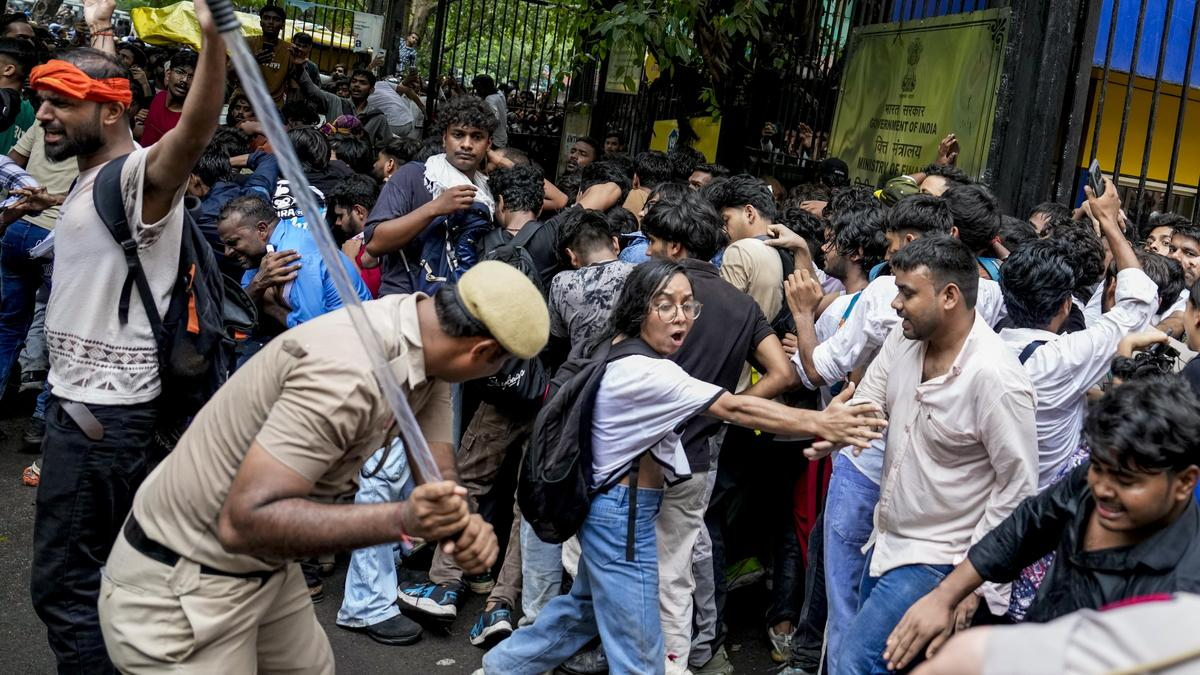
The prosecution alleged that an angry crowd chased the journalists as they attempted to escape by boarding a public bus. Members of the mob allegedly entered the bus and physically attacked them. While granting bail to the two accused, the High Court observed that the incident appeared to be the result of collective public outrage and that the exact role of the accused was not clearly established at this stage.
During the hearing, the prosecution argued that the assault amounted to an attack on press freedom. However, the court noted that the complainants were not employed by any accredited media organisation and were instead working independently for a YouTube channel.
Justice Kathpalia also pointed out that although the matter involved a sensitive issue, the reporters had not informed the local police before beginning their coverage. At the same time, the court made it clear that this omission could not be used to justify any form of violence or assault against them.
In its observations, the High Court highlighted the changing landscape of journalism in the age of social media. The court said a significant section of digital media now operates with little regulation or institutional oversight, raising questions about professional responsibility.
The judge further remarked that some self-proclaimed reporters frequently confront citizens by thrusting microphones toward them and demanding immediate answers. If an individual chooses to remain silent or declines to comment, a right protected under law, such reporters often portray that silence as an attempt to avoid questions.
Source: News Agencies
Really appreciate the customer support here. They helped me out quickly. Great vibes at phjili49!