By: The Trek News Desk
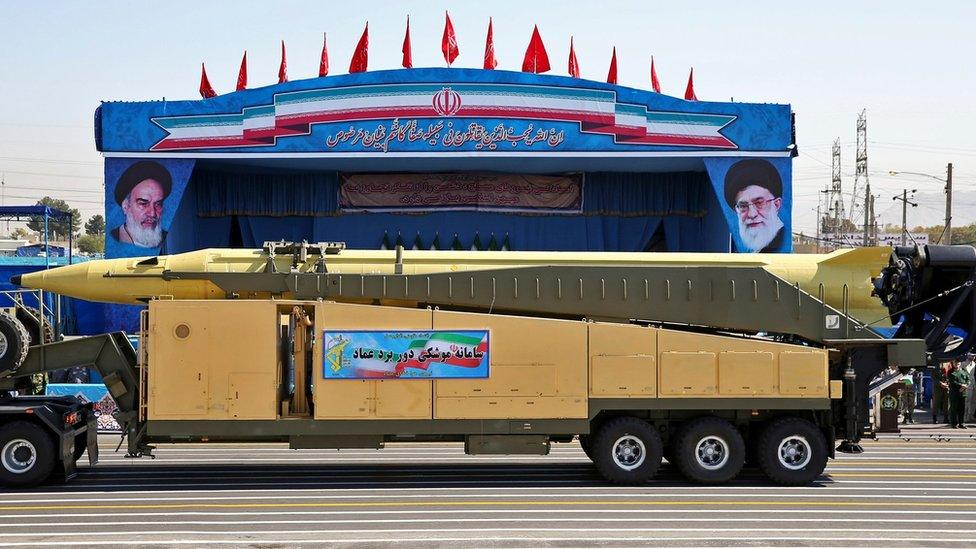
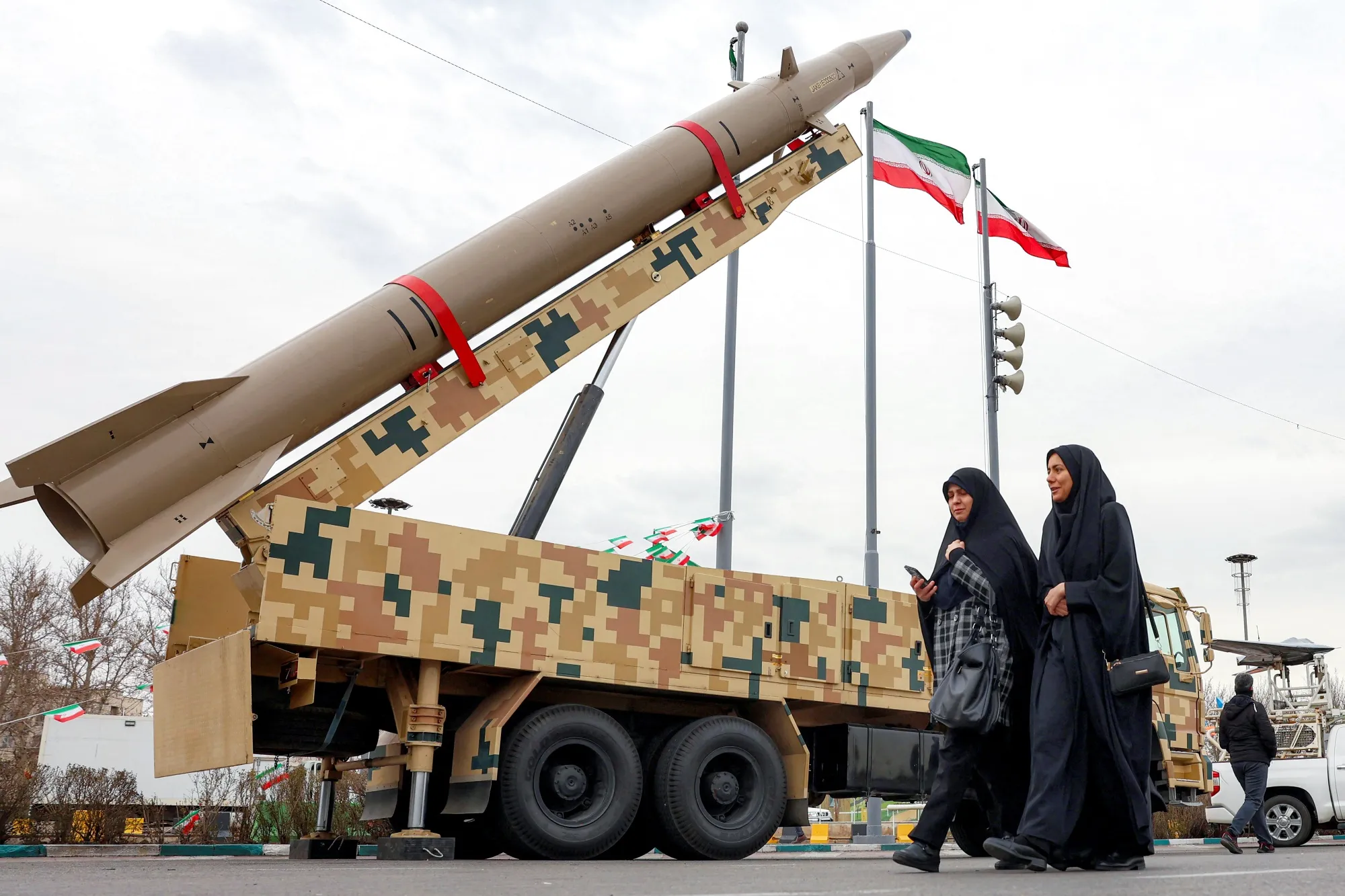
Rising tensions in the Middle East and the ongoing conflict involving the United States, Israel, and Iran have triggered fresh volatility in global energy markets. In response, the Group of Seven (G7) nations have announced that they are prepared to take necessary steps to maintain stable energy supplies worldwide.
The statement followed a virtual meeting between the finance ministers of the G7 countries and officials from the International Energy Agency (IEA). Although several options were discussed during the meeting, no final decision was made on releasing emergency oil reserves.
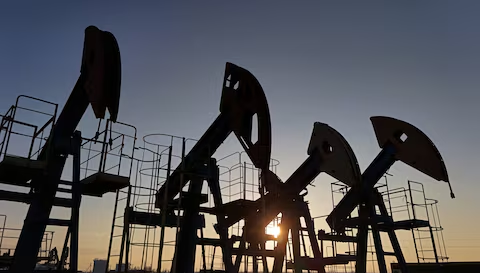
Earlier on Monday, crude oil prices in international markets surged to near $120 per barrel, driven by concerns that prolonged supply disruptions could exacerbate the situation. However, prices later eased after U.S. President Donald Trump suggested that the ongoing conflict might not last long.
During the meeting, IEA Executive Director Fatih Birol warned that conditions in global oil markets have deteriorated in recent days. He noted that transportation challenges through the Strait of Hormuz and reduced oil production in certain regions are increasing risks to the global supply chain.
Birol also highlighted that IEA member countries collectively hold about 1.2 billion barrels of public emergency oil reserves. In addition, the industry maintains around 600 million barrels of oil under government-mandated stockpiling arrangements.
Following the discussions, France’s finance minister, Roland Lescure, said that the situation has not yet reached the point where emergency reserves need to be released, but authorities are closely monitoring developments. If such a step is taken, it would mark the first coordinated release since 2022, when strategic reserves were tapped after the Russian invasion of Ukraine disrupted global energy markets.
In a joint statement after the meeting, G7 members reiterated their readiness to act, including the possibility of releasing oil stockpiles if required to stabilise global energy supplies.
Meanwhile, the United Kingdom’s Chancellor Rachel Reeves said the UK used the meeting to urge immediate de-escalation of tensions in the Middle East and called for stronger security measures to protect shipping routes in the region. She also expressed willingness to support a coordinated release of IEA oil reserves if necessary.
Roughly 20 per cent of the world’s oil normally passes through the Strait of Hormuz, one of the most critical shipping routes for energy supplies. However, since the conflict began, shipping activity through the narrow waterway has slowed dramatically.
In recent days, the United States and Israel have launched airstrikes on several sites inside Iran, including oil storage facilities. At the same time, Iran has targeted energy infrastructure in parts of the Gulf region. Saudi Arabia recently reported intercepting drones that were heading toward a major oil field.
These developments have heightened anxiety across global financial markets. On Monday, the price of Brent Crude briefly climbed to around $119.50 per barrel in Asian trading before falling back below $90 later in the day.
Energy analysts warn that if the conflict continues for an extended period, oil prices could climb to between $120 and $150 per barrel. Such a spike could significantly increase costs for consumers and businesses worldwide, adding further pressure on the global economy.
Source: News Agencies