
By: The Trek News Desk
In a significant development for India-US trade ties, the United States has reduced the import tariff on Indian goods to 10%, down from the earlier 18%. The decision follows a recent ruling by the Supreme Court of the United States that struck down the sweeping tariffs previously imposed by President Donald Trump.
President Trump issued a proclamation titled “Imposing a Temporary Import Surcharge to Address Fundamental International Payments Problems,” announcing a 10% ad valorem (value-based) import duty on goods entering the United States. The measure will remain in effect for 150 days and comes into force on February 24.
The move replaces the earlier 18% tariff that had been set under the framework of an interim trade agreement between India and the US.
In a 6-3 majority verdict authored by Chief Justice John Roberts, the Supreme Court ruled that the President had exceeded his authority by imposing broad tariffs on multiple nations. The judgment termed the earlier tariff structure unlawful, prompting the administration to revise its approach.
Following the ruling, the Trump administration invoked Section 122 of the Trade Act of 1974 to introduce a temporary import surcharge aimed at addressing what it described as “fundamental international payments issues.”
Earlier this month, India and the United States finalised the framework for an interim trade agreement. Under that arrangement, a 25% punitive tariff on Indian goods had already been reduced to 18%. Additionally, the US had withdrawn certain penalties related to India’s purchase of Russian oil.
With the newly announced 10% global rate now applicable, Indian exporters are expected to benefit further. President Trump confirmed that the trade deal with India remains on track, stating that “nothing changes” in terms of ongoing negotiations.
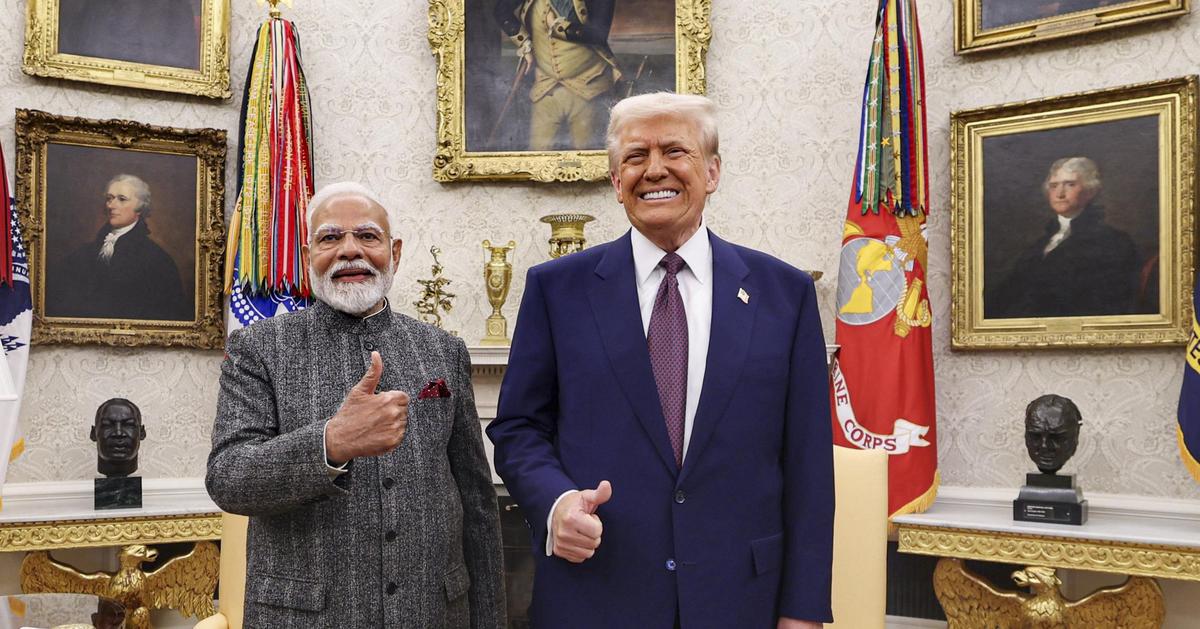
He also described his relationship with Indian Prime Minister Narendra Modi as “great,” emphasising continued cooperation between the two nations.
According to a White House fact sheet, several categories of goods will be exempt from the temporary surcharge to safeguard US economic interests. These include:
- Critical minerals and select metals
- Energy and energy-related products
- Fertilizers and essential natural resources
- Certain agricultural goods such as beef, tomatoes, and oranges
- Pharmaceuticals and active ingredients
- Selected electronic products
- Passenger vehicles, trucks, buses, and certain auto parts
- Specific aerospace products
Reacting strongly to the Supreme Court’s decision, President Trump criticised the ruling, calling it disappointing and questioning the judgment of some justices.
He also reiterated his earlier claim that tariff measures helped ease tensions between India and Pakistan, though no official confirmation has been provided regarding that assertion.
Trade analysts believe the 150-day temporary surcharge gives Washington time to reassess its trade strategy and balance-of-payments concerns. For India, the reduced tariff is likely to provide a competitive boost to exporters targeting the US market.
Negotiations between New Delhi and Washington continue, and officials from both sides are expected to move toward formalising the interim trade agreement in the coming weeks.
Source: News Agencies