
By: The Trek News Desk
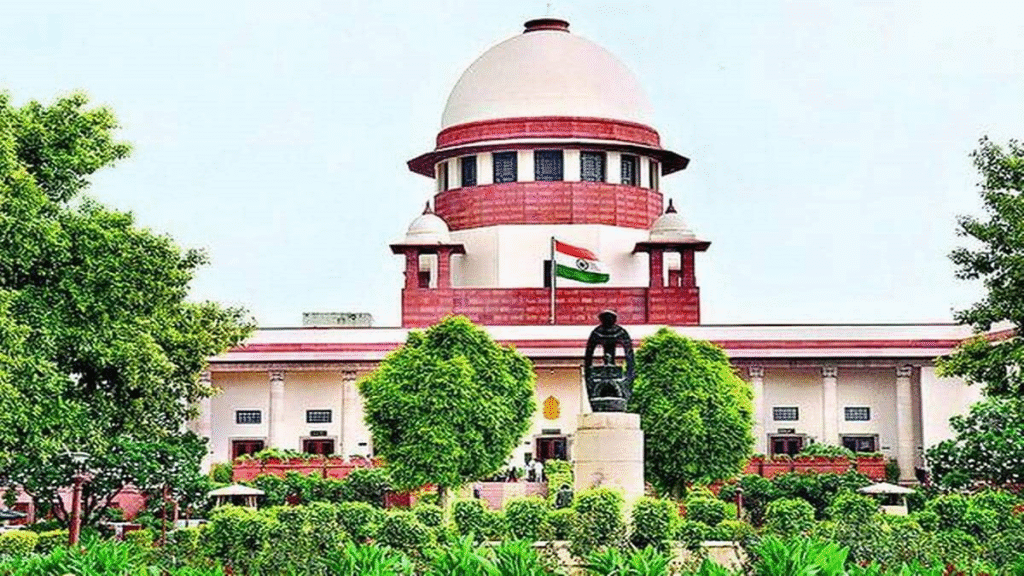
A petition has been filed before the Supreme Court questioning the definition of caste-based discrimination under the newly notified University Grants Commission (UGC) regulations of 2026. The plea argues that the existing definition is not inclusive and leaves certain sections of students and faculty without institutional protection.
The petition has been filed by Vineet Jindal and specifically challenges Regulation 3(c) of the UGC (Promotion of Equity in Higher Education Institutions) Regulations, 2026. According to the plea, the regulation limits caste-based discrimination only to members of the Scheduled Castes (SC), Scheduled Tribes (ST), and Other Backwards Classes (OBC).
It contends that by restricting the definition to reserved categories, individuals belonging to the general or non-reserved categories who may face discrimination or harassment based on caste are excluded from grievance redressal mechanisms and institutional safeguards.
The petitioner has argued that the provision, in its current “exclusionary form,” is unconstitutional as it creates an unequal framework of protection. The plea claims that the regulation violates Article 14 of the Constitution, which guarantees equality before the law, and Article 15(1), which prohibits discrimination by the State on grounds such as religion, race, caste, sex, or place of birth.
In addition, the petition alleges a violation of Article 21, stating that the right to life and personal liberty also includes the right to live with dignity, which is undermined by the current definition.
The plea urges the apex court to stay the implementation of Regulation 3(c) in its present form and direct authorities to redefine caste-based discrimination in a caste-neutral and constitutionally compliant manner. It emphasises that protection should be extended to all individuals who face discrimination based on caste, regardless of their specific caste identity.
As interim relief, the petitioner has also sought directions to the Union Government and the UGC to ensure that mechanisms such as Equal Opportunity Centres, Equity Helplines, and the Ombudsperson set up under the regulations remain accessible to all students in a fair and non-discriminatory manner until the issue is finally resolved.
Source: News Agencies