By: The Trek News Desk
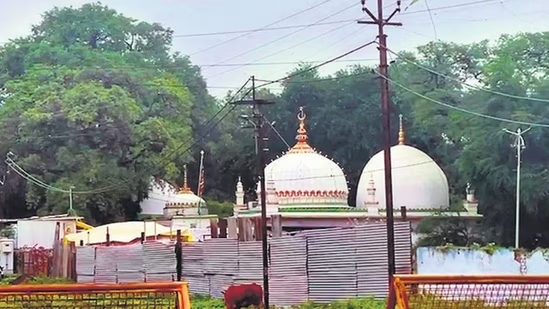
The Supreme Court has issued an important order regarding religious practices at the disputed Bhojshala-Kamal Maula Mosque complex in Madhya Pradesh’s Dhar district on the occasion of Basant Panchami. The apex court has allowed members of the Hindu community to perform prayers at the site from sunrise to sunset on Friday, January 23, 2026, while permitting Muslims to offer namaz between 1 pm and 3 pm on the same day.
In its directions, the Supreme Court has also asked that a list of individuals from the Muslim community who intend to offer namaz be submitted in advance to the district administration. The measure is aimed at ensuring effective arrangements for security and maintaining law and order.
The order was passed on Thursday, January 22, 2026, by a Bench headed by Chief Justice of India Surya Kant, along with Justices Joymalya Bagchi and Vipul M. Pancholi. The court urged both communities to show mutual respect and extend full cooperation to the state and district authorities.
The Bench further directed the district administration to put in place adequate security and law-and-order mechanisms at the Bhojshala complex during the prayer hours allotted to both communities.
The issue arose as Hindu groups sought permission to conduct day-long worship at Bhojshala due to Saraswati Puja celebrations on Basant Panchami, while the Muslim side requested permission for Friday namaz. Considering petitions from both sides, the court introduced this time-bound interim arrangement to accommodate the religious practices of both communities.
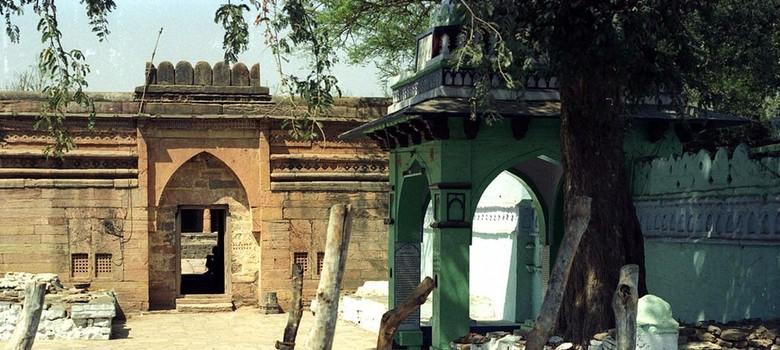
Bhojshala is an 11th-century monument protected by the Archaeological Survey of India (ASI). The Hindu community regards it as a temple dedicated to Goddess Vagdevi (Saraswati), while Muslims identify the site as the Kamal Maula Mosque.
It is noteworthy that under an arrangement framed by the ASI on April 7, 2003, Hindus have traditionally been allowed to perform prayers at the site on Tuesdays, while Muslims have been permitted to offer namaz on Fridays. The special circumstances created by Basant Panchami falling on a Friday led to the Supreme Court’s intervention.
The court’s order is being seen as a balanced step aimed at preserving communal harmony and ensuring peaceful observance of religious practices at the historic site.
Source: News Agencies