By: The Trek News Desk
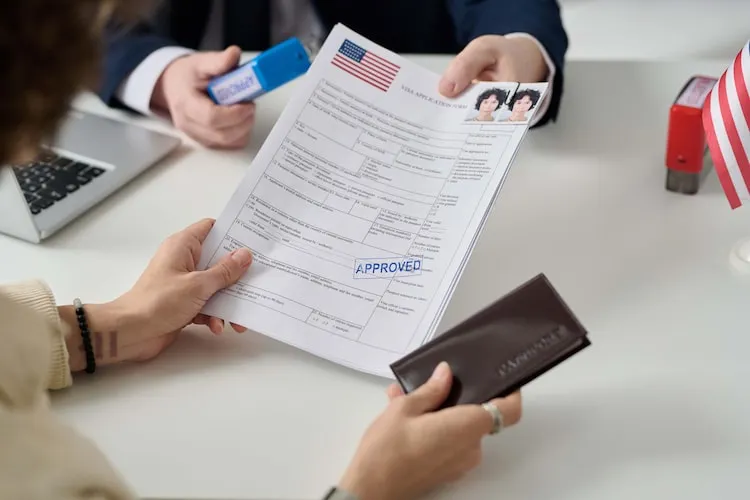
In a major escalation of visa scrutiny, the Trump administration has introduced a new vetting policy for H-1B applicants, one that includes reviewing their LinkedIn profiles, resumes, and complete professional history before a visa can be approved.
The move comes as part of the administration’s push to tie immigration screening to issues related to free speech and online expression.
What the New Screening Involves
A State Department cable sent to all U.S. embassies on December 2 instructs consular officers to examine:
- LinkedIn profiles
- Uploaded resumes
- Employment history of H-1B applicants and accompanying family members
The goal: to identify whether any applicant has worked in fields linked to:
- Misinformation/disinformation
- Content moderation
- Fact-checking
- Compliance
- Online safety
- Or any work that could be interpreted as limiting protected speech in the United States
According to the cable, if officers find evidence that an applicant may have participated in or facilitated the censorship of protected expression, they are expected to pursue a finding of ineligibility under U.S. immigration law.
Why H-1B is Under Special Focus
The H-1B visa continues to be the backbone of the American tech workforce, supporting thousands of employees from India, China, and other countries.
Many leaders from Silicon Valley, including CEOs who rely heavily on H-1B talent, backed Trump during the previous election cycle.
Though the policy applies to all visa categories, the cable notes that H-1B candidates face enhanced scrutiny, given their frequent work in:
- Social media companies
- Tech platforms
- Financial services firms
– sectors that the administration argues may be involved in restricting online expression.
State Department: ‘Examine Their Careers Thoroughly’
The cable explicitly instructs consular officers to dig deep into applicants’ work histories to confirm that they have not been associated with actions that might be viewed as suppressing free speech.
The policy covers both first-time applicants and renewals, making it one of the broadest H-1B screening directives in recent years.
Free Speech Now a Cornerstone of U.S. Foreign Policy
The Trump administration has increasingly placed “defending free speech” at the centre of its diplomatic agenda.
Earlier this year, Secretary of State Marco Rubio warned that the U.S. could impose visa bans on individuals who censor American voices, including those working in digital platforms and tech regulation.
This newest directive extends that philosophy directly into America’s immigration system.
Source: News Agencies