By: The Trek News Desk
U.S. President Donald Trump has granted Hungary a one-year exemption from American sanctions on Russian oil and gas imports, the White House confirmed on Friday. A senior official clarified that the relief is temporary and will remain in effect for a period of 12 months.
The decision comes weeks after the Trump administration blacklisted two of Russia’s largest oil companies, warning other nations against doing business with them. Hungary’s continued reliance on Russian energy had placed it at risk of economic penalties under those sanctions.
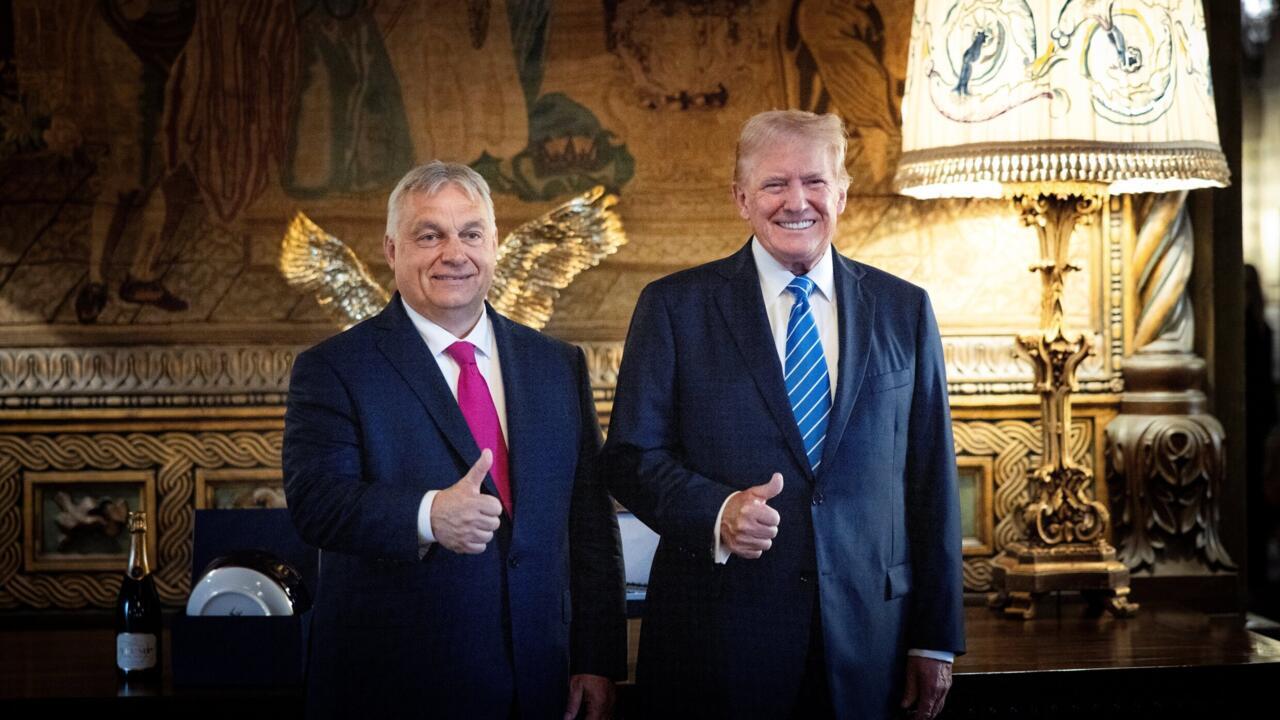
During a meeting at the White House with Hungarian Prime Minister Viktor Orbán, President Trump said Budapest faced “serious logistical challenges” in sourcing energy elsewhere. “It’s very difficult for him to get oil and gas from other regions,” Trump said, defending the decision to provide limited flexibility to Hungary.
A Political Boost for Orbán
The exemption marks a significant diplomatic victory for Prime Minister Orbán, who had previously warned that energy sanctions on Russia could “destroy” Hungary’s economy.
Following the meeting, Hungarian Foreign Minister Péter Szijjártó announced on X (formerly Twitter) that the U.S. had granted Hungary “a full and unlimited exemption from oil and gas sanctions.” However, American officials later clarified that the waiver applies only for one year.
Sources suggest that, in return, Hungary has agreed to purchase several hundred million dollars’ worth of U.S. natural gas, a move likely intended to balance political optics in Washington. The deal, however, may deepen friction with other European capitals, many of which have long criticised Orbán’s pro-Russia stance within the European Union.
“A Geographic Reality, Not Politics”
Defending his position, Orbán said Hungary, being a landlocked nation without sea access, has limited options for energy imports. “Pipelines are not ideological or political, they’re a physical reality,” he remarked, emphasising that his government’s goal was to ensure affordable energy for Hungarian citizens.
Analysts note that Orbán’s insistence on maintaining energy ties with Moscow is also politically strategic. With national elections approaching next year, his promise of “cheap Russian energy” remains a central campaign message aimed at bolstering domestic support.
Talks on Ukraine and the Future with Russia
The two leaders also discussed the ongoing war in Ukraine, marking their first formal dialogue since Trump’s return to office. Trump praised Orbán’s relationship with Russian President Vladimir Putin, saying, “He understands Putin very well. I think Viktor believes we’ll see this war end soon.”
Orbán responded by suggesting that only Hungary and the United States were genuinely pursuing peace in Ukraine. “Many European governments still believe Ukraine can win on the battlefield,” he said. “That’s a misunderstanding of the situation.”
When asked by Trump if Ukraine could win the war, Orbán replied, “Perhaps a miracle could happen.”
Friction in Europe Grows
Despite this energy relief, Hungary’s export-driven auto industry remains under strain from Trump’s tariffs on European goods, adding pressure to an already struggling economy.
Trump, meanwhile, called on European leaders to show greater respect for Orbán, describing him as “a strong and correct leader, especially on immigration issues.”
The one-year waiver, though politically sensitive, reflects Trump’s pragmatic approach toward longtime allies like Hungary, balancing strategic interests, personal ties, and energy realities amid ongoing global tensions.
Source: News Agencies