By: The Trek News Desk
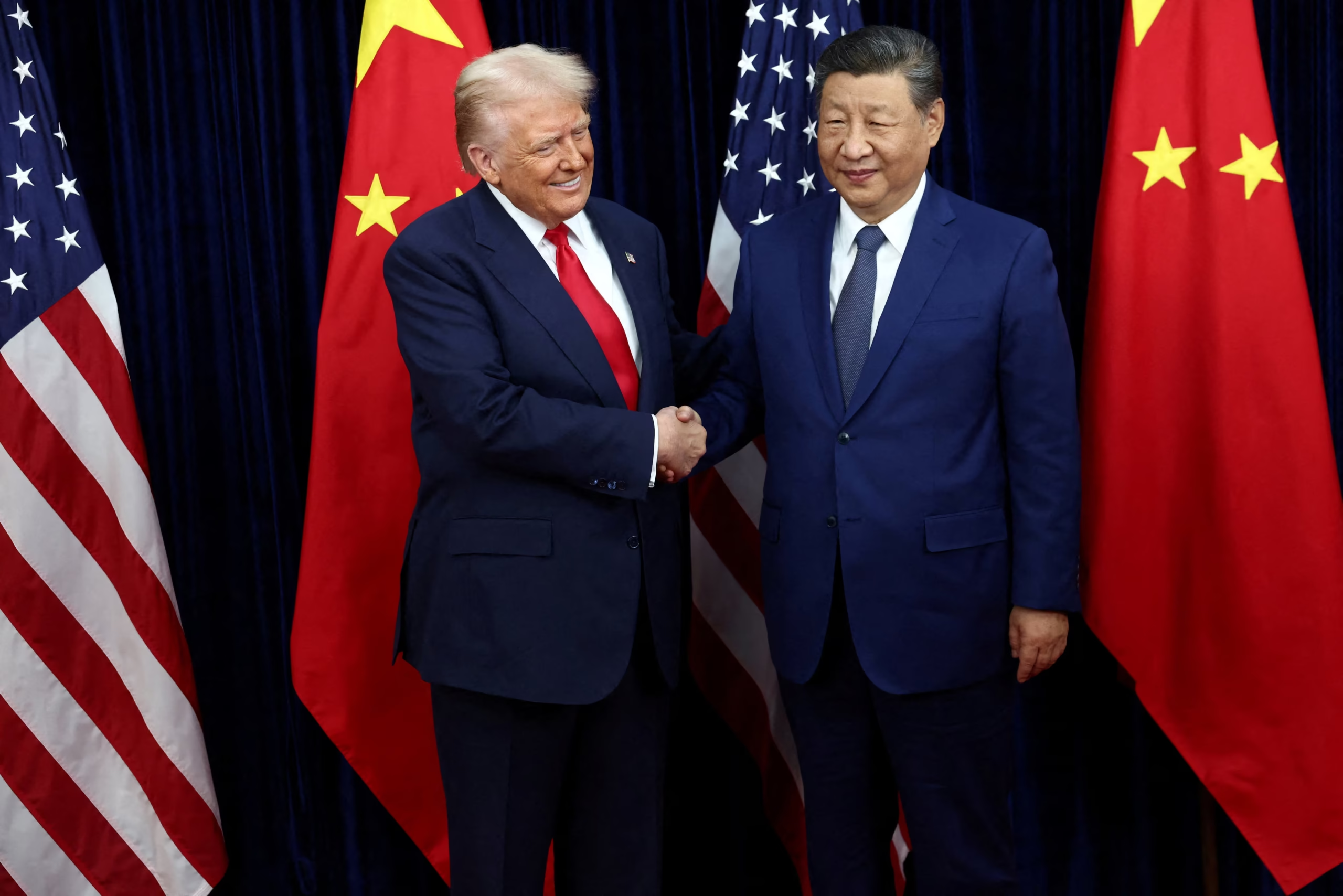
In a breakthrough move to de-escalate months of mounting trade tensions, US President Donald Trump and Chinese President Xi Jinping have agreed to a one-year trade truce, marking a significant pause in the fierce US-China economic rivalry.
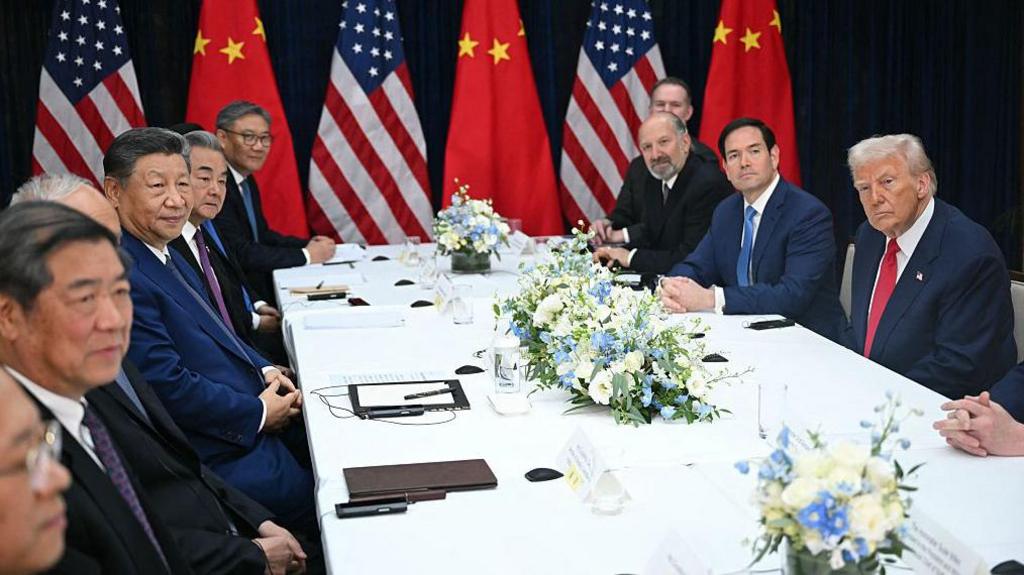
The deal was sealed on Thursday during the Asia-Pacific Economic Cooperation (APEC) Summit held in South Korea, where the two leaders met face-to-face for the first time since 2019.
While the agreement has temporarily calmed the world’s two largest economies, it does not fully dismantle the existing trade barriers, leaving several major disputes unresolved.
Key Points of the Agreement
Under the terms of the accord, China will postpone its planned export restrictions on rare earth minerals for one year, easing global concerns about potential supply disruptions. In return, the United States will withdraw its proposal to impose a 100% tariff on Chinese imports.
Trump also announced that the US would halve the tariff on fentanyl-related goods from 20% to 10%, following Xi’s promise to take “strong measures” to curb the flow of the deadly synthetic drug into the United States.
Speaking to reporters aboard Air Force One, Trump described his two-hour meeting with Xi as “amazing” and said the rare earth issue was “completely settled.”
“President Xi has assured me that China will work very hard to stop the deaths caused by fentanyl. This is a huge step toward saving lives,” Trump said.
He added that the agreement would be reviewed annually to monitor progress and maintain accountability on both sides.
Xi’s Response and China’s Position
Following the meeting, President Xi Jinping confirmed that both nations had reached a “consensus on key issues” and emphasised the need for “practical actions” to ensure tangible results from the deal.
China’s Ministry of Commerce later confirmed that the US had agreed to suspend plans for additional technology export controls and freeze increases in port fees, signalling a limited but important thaw in bilateral tensions.
Market Reaction
Asian markets reacted cautiously to the announcement. Major indexes in Hong Kong, Shanghai, and Sydney closed lower, while Japan’s Nikkei finished largely unchanged.
Trade analysts described the deal as a “temporary pause” rather than a permanent resolution.
Background and Global Implications
China’s dominance in rare earth minerals essential for manufacturing products like smartphones, electric vehicles, and fighter jets has long been a strategic concern for Washington and its allies. Had Beijing gone ahead with export curbs, it could have severely disrupted global supply chains.
While the agreement provides short-term relief, average tariffs remain high, around 47% for Chinese goods entering the US and 32% for American exports to China.
The deal underscores a mutual desire to stabilise relations without appearing to concede ground, reflecting the delicate balance both leaders must maintain amid domestic and international pressures.
Source: News Agencies