By: The Trek News Desk
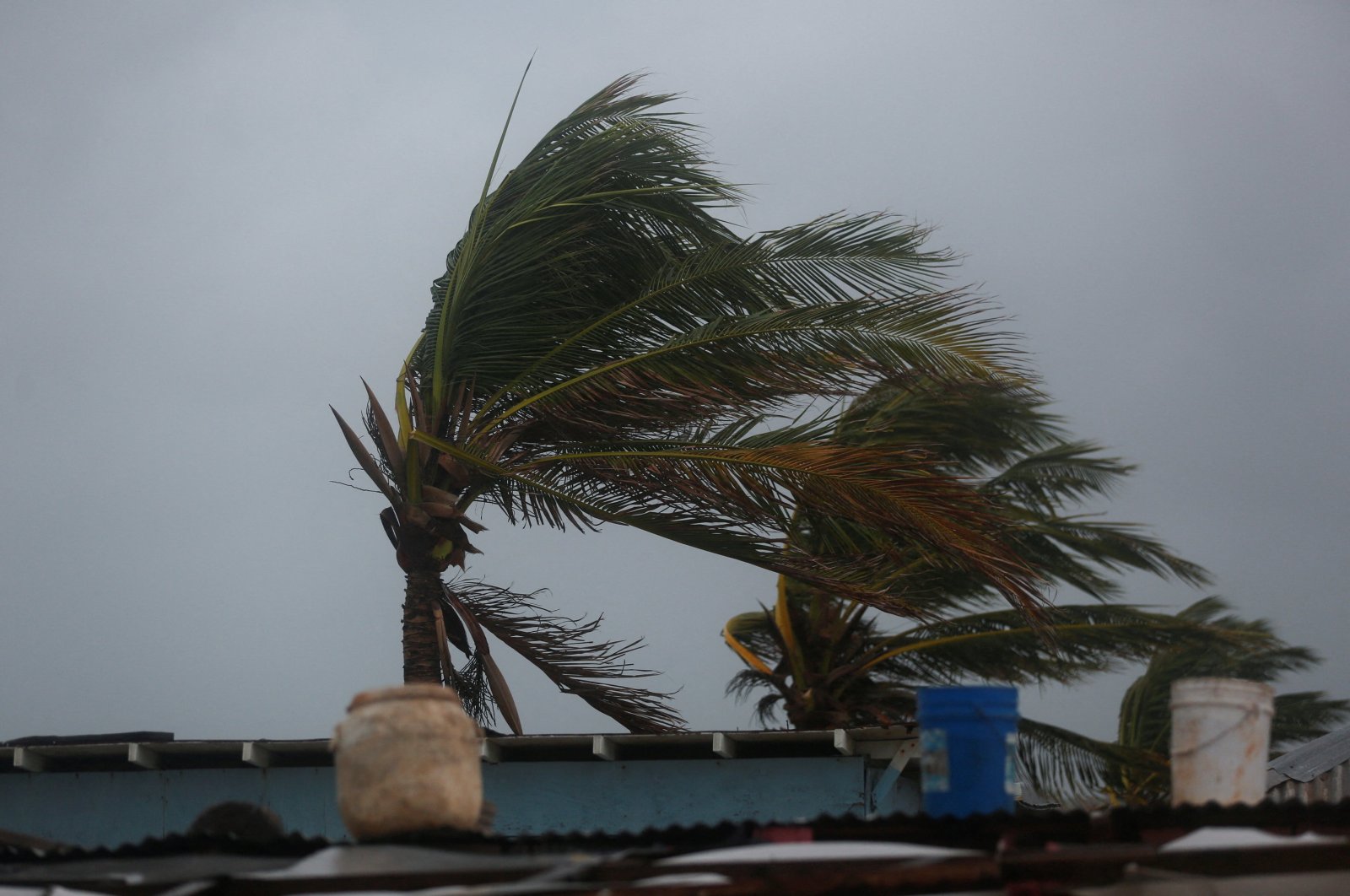
Jamaica is bracing for unprecedented devastation as Hurricane Melissa, a massive Category 5 storm, barrels toward the island with winds reaching 175 mph (280 km/h). Prime Minister Andrew Holness has issued a stark warning, calling it “potentially the most destructive storm in Jamaica’s history.”
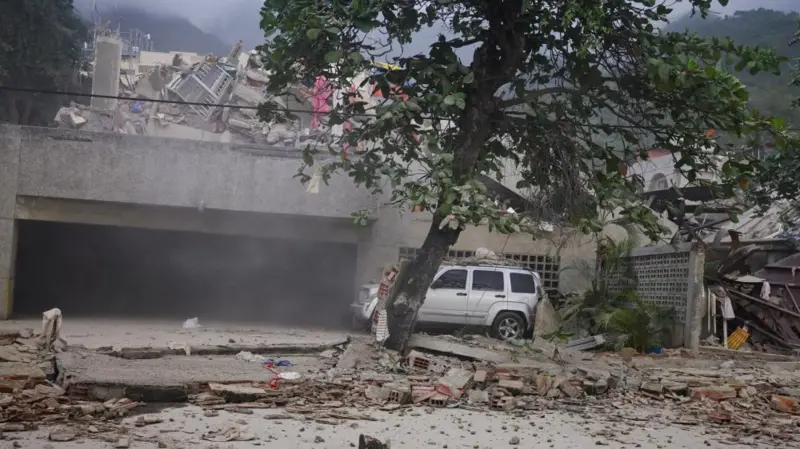
Melissa has already wreaked havoc across the Caribbean, leaving at least four people dead in Haiti and the Dominican Republic, and destroying dozens of homes.
Slow but Deadly: Melissa’s Dangerous Pace
The U.S. National Hurricane Centre (NHC) described Melissa as “exceptionally slow-moving,” crawling at just 3 miles per hour, slower than a person’s walking pace. This lethargic movement makes it even more dangerous, as affected areas could face prolonged exposure to torrential rain and hurricane-force winds for many hours.
According to the NHC, Jamaica is expected to experience “catastrophic flooding, landslides, and extensive structural damage.” Along the southern coastline, storm surges up to 13 feet and destructive waves pose a severe threat to coastal towns.
“No Structure Can Withstand This” – PM Holness
Prime Minister Holness said western Jamaica would likely face the brunt of the storm.
“I don’t believe any infrastructure in this region can withstand a Category 5 hurricane. People must act now to protect their lives,” he told reporters.
Despite repeated evacuation appeals, many residents have refused to leave their homes.
In Port Royal, Kingston, resident Roy Brown said, “I’m not leaving. You can’t run from death.”
Local fisherwoman Jennifer Ramdial shared a similar sentiment, “I’m staying. This is my home.”
Rising Danger and Humanitarian Concern
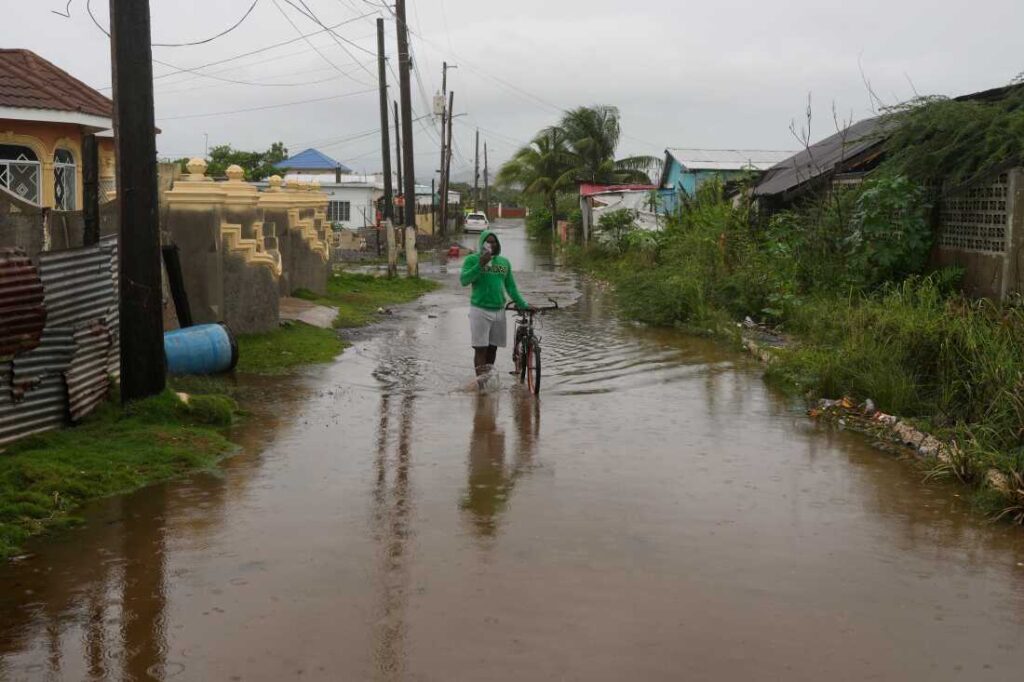
Meteorologists warn that Melissa could bring up to 40 inches (about one meter) of rain, triggering flash floods and landslides across low-lying areas.
In Flagaman, a rural farming village in St. Elizabeth Parish, residents have taken shelter inside a small convenience store.
Store owner Enrico Coke said he opened his doors to neighbours who had nowhere else to go:
“Farmers will lose everything. Fishermen won’t be able to work for weeks. We’ll need clean water and help immediately after this.”
Caribbean Already Hit Hard
In the Dominican Republic, a 79-year-old man was swept away by floodwaters, and a 13-year-old boy remains missing. In Haiti, officials have confirmed three deaths linked to the storm.
Climate scientist Kerry Emanuel noted that global warming is causing storms to intensify more rapidly, making them far deadlier. “Wind is destructive, but water kills far more people,” he explained.
A Climate Crisis in Motion
According to climate researcher Daniel Gilford, human-driven climate change is amplifying every aspect of storms like Melissa.
“Melissa isn’t just a hurricane; it’s a warning sign of our accelerating climate crisis,” he said.
Source: News Agencies