
By: The Trek News Desk
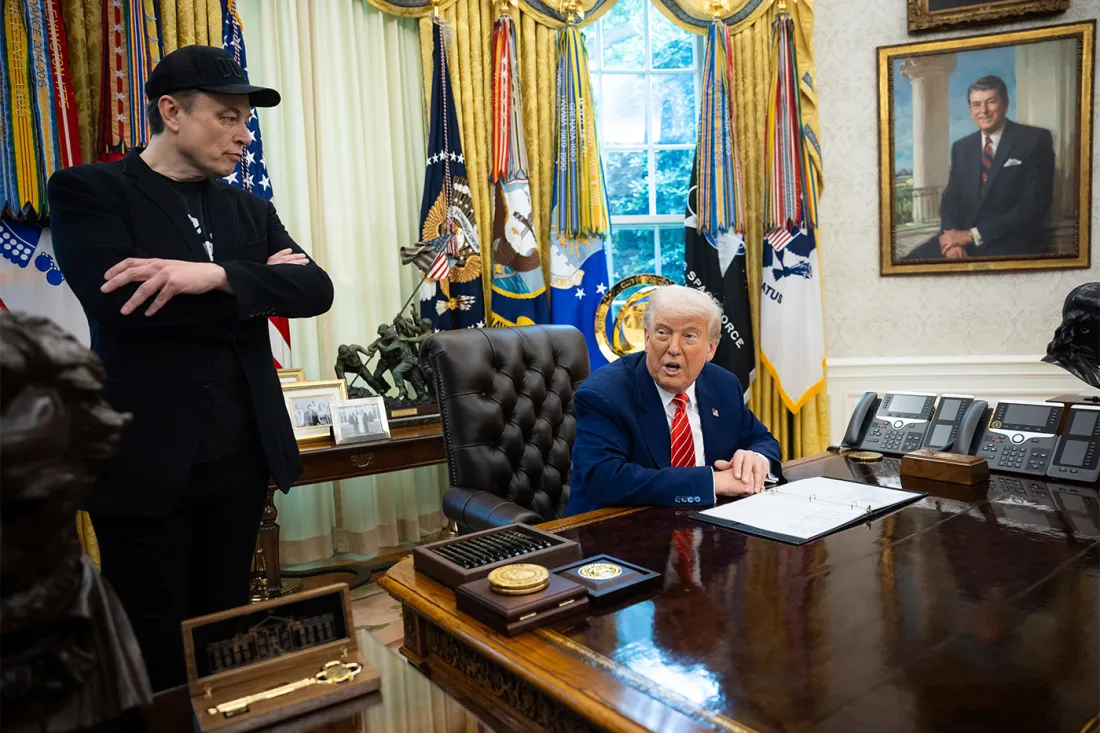
Amid growing frustration over Moscow’s inaction to end the war in Ukraine, U.S. President Donald Trump has imposed new economic sanctions on Russia’s two largest oil companies, Lukoil and Rosneft.
This marks the first major sanctions package by Trump since his return to the White House, signalling a tougher stance toward the Kremlin.
On the same day, the European Union (EU) approved its 19th sanctions package against Moscow, including a complete ban on Russian liquefied natural gas (LNG) imports.
Washington Tightens the Grip on Russia’s Energy Power
U.S. Treasury Secretary Scott Bessent announced the sanctions on Wednesday, saying:
“These measures will increase pressure on Russia’s energy sector and weaken the Kremlin’s financial ability to fund its war machine.”
Under the new restrictions, all U.S.-based assets belonging to Lukoil and Rosneft have been frozen, and American citizens and companies are prohibited from engaging in business with them.
Notably, the sanctions do not include Chinese or Indian buyers of Russian oil, a decision that has raised eyebrows among analysts.
Trump confirmed he plans to raise the issue with Chinese President Xi Jinping during next week’s APEC Summit in South Korea. He also hinted that if Russia continues its war in Ukraine, more severe measures could follow.
“No Place for Russia in Global Markets”
Rosneft, Russia’s state-controlled oil behemoth and the country’s second-largest company after Gazprom, has already suffered massive financial setbacks amid falling oil prices and earlier sanctions.
In the first half of 2025, the company reported a 68% year-on-year drop in profits.
Lukoil, Russia’s largest private energy firm, saw profits fall by 26.5% in 2024, citing higher taxes imposed to sustain Moscow’s war budget.
Just last week, the United Kingdom announced its own sanctions against both firms, declaring there is “no place for Russia in global markets” and vowing to choke off the Kremlin’s war funding “by all means necessary.”
Trump’s Patience Wears Thin
Speaking at a press briefing on Wednesday, Trump revealed that he had called off his planned meeting with Russian President Vladimir Putin in Hungary, saying, “The timing just didn’t feel right.”
“Every time I speak with Vladimir, the conversation is good, but nothing moves forward,” Trump said. “So, this time, I cancelled it. We’ll meet again when the time is right.”
The U.S. leader added that he hopes the sanctions won’t have to stay in place for long, but made it clear that Washington’s patience with Moscow is running out.

EU Follows Washington’s Lead
Within hours of Washington’s announcement, the European Union also rolled out its 19th sanctions package, its strongest yet, including a total phase-out of Russian LNG imports.
The decision was finalised under Denmark’s rotating EU presidency, after Slovakia, the last holdout, dropped its objections following assurances on energy pricing and industrial protections.
According to EU officials, short-term LNG contracts with Russia are set to expire within six months, and long-term deals are scheduled to terminate by January 1, 2027.
The sanctions package also introduces new travel bans on Russian diplomats, blacklists 117 more ships from Russia’s so-called “shadow fleet” used to evade sanctions (bringing the total to 558), and targets several banks in Kazakhstan and Belarus suspected of aiding Moscow’s trade network.
Ukraine Welcomes the Move
Reacting to the news, Andriy Yermak, chief of staff to Ukrainian President Volodymyr Zelenskyy, praised the decisions by Washington and Brussels.
In a Telegram post, he wrote:
“We are not stopping. Package No. 20 is already in the works. The logic is simple: less money for Russia means fewer missiles in Ukraine.”

A Growing Divide Between Moscow and the West
With both Washington and Brussels ramping up economic pressure, Russia faces one of its toughest financial periods since the start of the war in 2022.
The coordinated sanctions highlight a clear message from the West: until Moscow agrees to end its invasion of Ukraine, the economic isolation will only deepen.
Source: News Agencies