By: The Trek News Desk
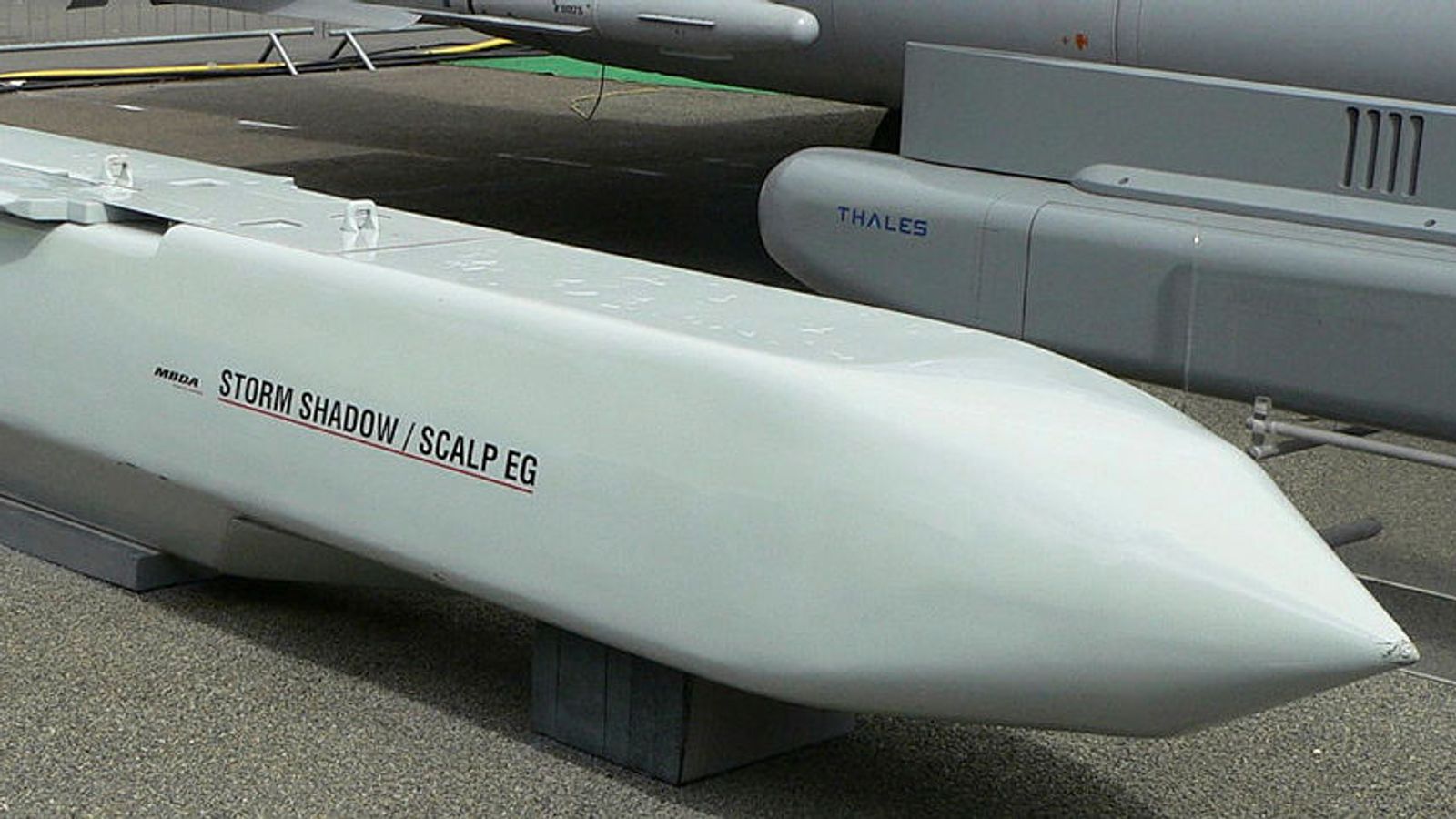
Tensions between Russia and Ukraine escalated sharply on Tuesday after Ukrainian forces launched a high-precision missile strike on a major chemical facility in Bryansk, Russia. The attack was carried out using UK-supplied Storm Shadow cruise missiles, long-range weapons designed to evade sophisticated air defence systems.
Ukraine’s Armed Forces described the operation as a “strategic and successful” hit, claiming the missiles penetrated Russian defences to strike a key asset within Moscow’s military-industrial complex. The Bryansk Chemical Plant, according to Kyiv, plays a critical role in producing explosives, gunpowder, and fuel components for rockets and munitions used in attacks against Ukraine.
Bryansk Facility a “High-Value Target,” Says Kyiv
In a statement posted on X (formerly Twitter), Ukraine’s military called the plant a “central component of the aggressor’s military machinery,” and said that striking such facilities is part of its broader defence strategy.
While Russian officials have not yet commented on the strike, the Kremlin has previously warned Western nations, especially the UK and US, against supplying Ukraine with long-range missile systems.
Russia Hits Back with Wave of Drone and Missile Strikes
Just hours after the Ukrainian strike, Russia launched a retaliatory wave of missile and drone attacks across several Ukrainian regions, including Kyiv. According to Ukrainian President Volodymyr Zelensky, at least six civilians, including two children, were killed in the overnight assault.
Kyiv Mayor Vitali Klitschko reported severe damage to multiple residential structures due to falling missile debris. Emergency blackouts were implemented in the capital as well as in the Dnipropetrovsk region. Authorities confirmed that key thermal power plants were among Russia’s targets.
Timur Tkachenko, head of Kyiv’s military administration, confirmed two deaths in the capital, while a woman and two children were reported killed in surrounding areas.
European Leaders Reaffirm Support, Pledge More Pressure on Moscow
The attack on the Russian facility came on the same day that UK Prime Minister Sir Keir Starmer and several European heads of state issued a joint statement reinforcing their commitment to increasing pressure on Russia’s economy and defence sector.
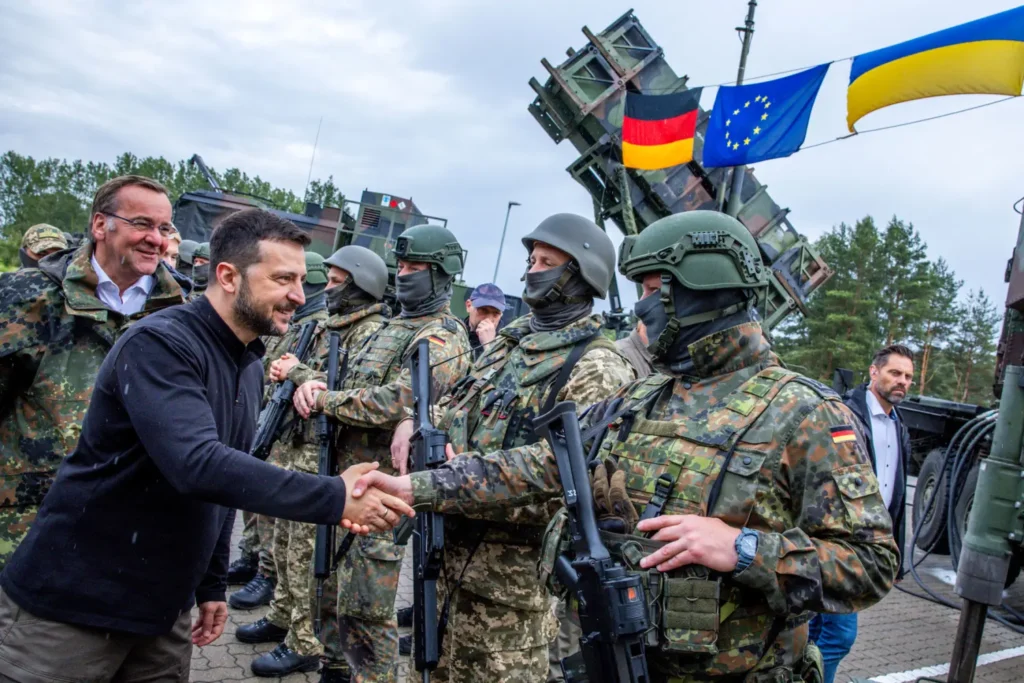
Signed by leaders from Ukraine, Germany, France, Italy, Poland, Denmark, Finland, the European Union, and Norway, the statement emphasised that Ukraine must remain in its strongest possible position “before, during, and after any ceasefire.”
The move signals a continued effort by European allies to sustain Kyiv’s military resilience and to keep diplomatic pressure on Russian President Vladimir Putin.
Trump-Zelensky Meeting Casts Doubt on U.S. Military Support
The recent developments also come in the wake of a high-profile meeting between U.S. President Donald Trump and Volodymyr Zelensky at the White House. Despite ongoing appeals from Kyiv, Trump reportedly declined to supply Ukraine with Tomahawk cruise missiles.
While the former U.S. president had initially agreed to consider a peace meeting with Putin in Budapest, he later put those plans on hold, stating that he did not want to pursue a “pointless meeting” without clear commitments from Moscow.
Interestingly, Trump recently shifted his stance, saying Ukraine could “win back all of its territory in its original form”, suggesting a return to its internationally recognised borders. The remark hints at a potential evolution in Trump’s view of the war, though his administration’s next steps remain unclear.
Source: News Agencies