
By: The Trek News Desk
The Election Commission (EC) announced on Monday that the Bihar Assembly elections will be held in two phases, on November 6 and November 11, with results scheduled to be declared on November 14. This will mark the shortest election process in Bihar in the last two decades.
Over the past three Assembly elections, the number of phases for voting in Bihar has steadily decreased. In 2010, the elections were held over six phases, reduced to five in 2015, and three in 2020. In 2005, voting was conducted across four phases. This time, the EC has opted for just two phases, continuing a broader trend of shortening polling schedules across the country.
This decision follows the precedent set last year when the Jammu and Kashmir elections were held in three phases, marking the shortest polling schedule in the region in 28 years.
A Fierce Battle Between NDA and Opposition Alliance
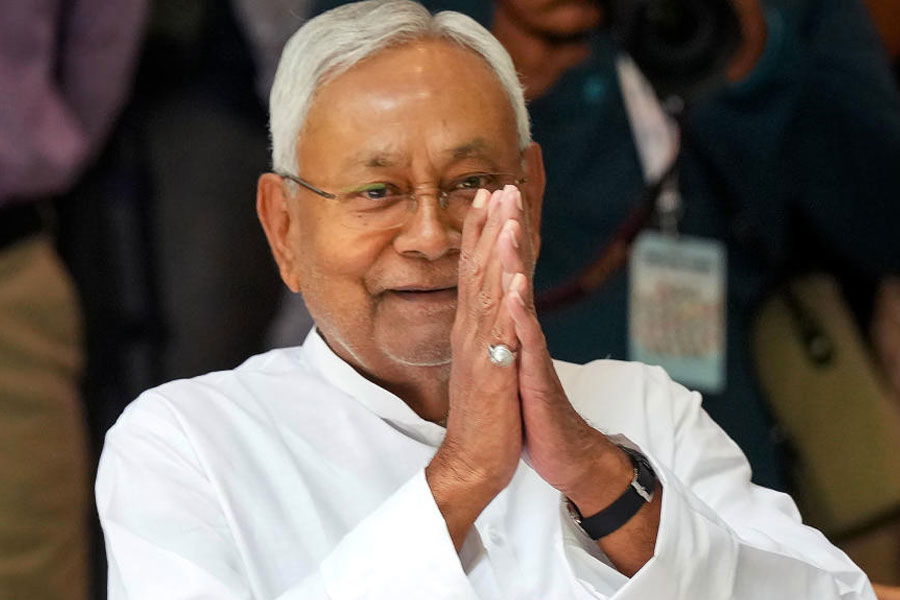
The upcoming Bihar elections will see the ruling NDA (National Democratic Alliance) government, led by Chief Minister Nitish Kumar, facing off against an opposition alliance consisting of the RJD (Rashtriya Janata Dal) and Congress. In the 2020 elections, RJD emerged as the largest party with 75 seats, while the BJP and JD(U) together claimed 117 seats. This time, a new party, Jan Suraaj (led by Prashant Kishor), is also ready to contest.
Political Parties’ Suggestions Considered by EC
The tenure of the current Bihar Legislative Assembly ends on November 22. The Election Commission had visited Bihar on October 4 and 5 to assess the preparations for the upcoming polls. Political parties had requested the EC to schedule the elections after the Chhath festival, which takes place from October 25 to 28. Additionally, many parties recommended reducing the number of phases for the elections.
Shorter Polling Phases Due to the 2024 Heatwave Experience
One of the primary reasons behind the Commission’s decision to shorten the number of polling phases is the experience of the 2024 Lok Sabha elections, which were conducted during a severe heatwave. The prolonged election period, which spanned seven phases, led to a noticeable dip in voter turnout, particularly in regions where temperatures soared close to 50°C. The 2024 general elections were among the longest in Indian history, prompting the EC to consider shorter schedules for future elections.
Acknowledging the impact of the heat, former Chief Election Commissioner Rajiv Kumar remarked, “Elections should have been completed a month earlier. They shouldn’t have been held in such hot weather. There is a lot of movement, and we cannot reduce the time taken for the process, but we could have done it earlier instead of during such intense heat.”
Special Voter Revision Before the Elections
Ahead of the Bihar elections, the Election Commission initiated a Special Intensive Revision (SIR) of electoral rolls on June 24. This revision resulted in the removal of 68.5 lakh voters from the state’s voter list, while 21.53 lakh new voters were added. As a result, Bihar’s total number of registered voters stands at approximately 7.42 crore. However, this decision has been challenged in the Supreme Court, and the next hearing is scheduled for Tuesday.
Comparison with the 2020 Elections
The 2020 Bihar Assembly elections were the first to be held during the COVID-19 pandemic. The elections were spread over three phases, from October 28 to November 7, with the vote count taking place on November 10. The voter turnout in 2020 was 56.93%, with 59.69% female participation and 54.45% male participation.

In contrast, this upcoming election, particularly the decision to reduce the number of polling phases, signifies a significant change in how elections are conducted in Bihar. If successful, this new model could shape the structure of future elections not only in Bihar but also in other states across India.
The Election Commission’s efforts to streamline the election process come as part of a broader effort to improve voter participation, reduce voter fatigue, and ensure that elections are held in a more manageable time frame, without the extended heat-related challenges faced in 2024.
Source: News Agencies