By: The Trek News Desk
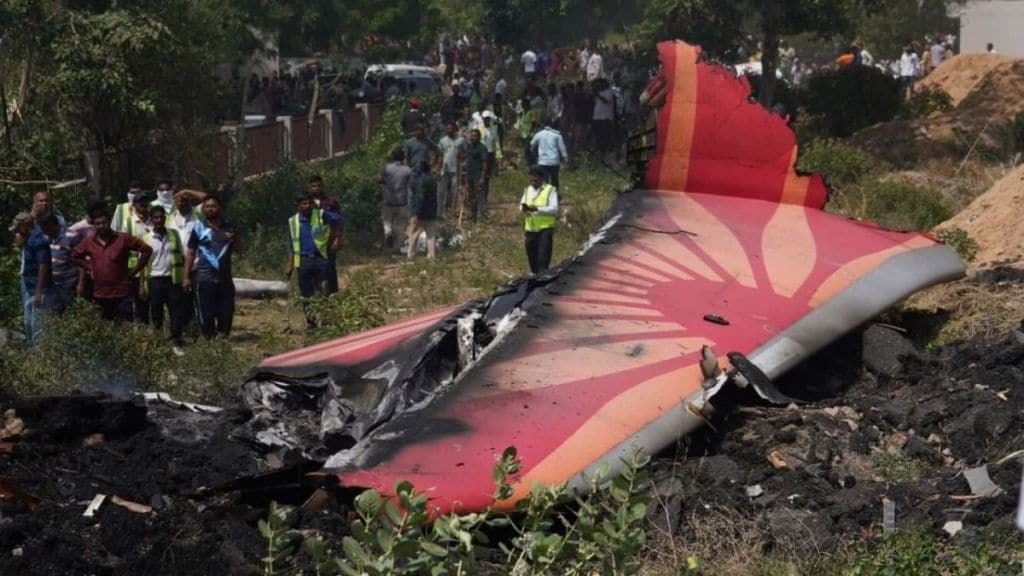
The Supreme Court has raised serious concerns regarding the preliminary investigation report into the Air India aircraft crash that occurred on June 12. The report, which attributes the accident primarily to pilot error, has been termed “reckless” by the apex court.
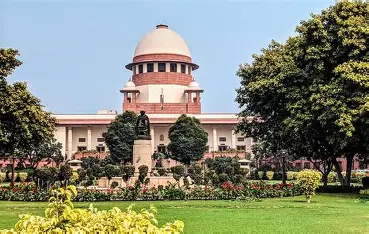
According to a report by Bar and Bench, A bench comprising Justice Surya Kant and Justice N. Kotiswar Singh issued notices to the Union government and the Directorate General of Civil Aviation (DGCA) after hearing a petition demanding an impartial, independent, and time-bound investigation into the incident.
The petition, filed by the aviation safety body Safety Matters Foundation and represented by advocate Prashant Bhushan, alleged a conflict of interest within the investigation team. Bhushan pointed out that three of the investigating officials are directly associated with the aviation regulator, raising questions about the neutrality of the probe.
He also urged the court to direct the authorities to release the Flight Data Recorder (FDR) information to clarify the exact sequence of events that led to the crash.
The preliminary report by the Aircraft Accident Investigation Bureau (AAIB) reportedly suggested that the fuel control switches in the cockpit were mistakenly moved from the ‘run’ to ‘cutoff’ position, effectively blaming the pilots for the incident.
However, the petition challenged this conclusion, arguing that the report withheld critical technical data such as the complete Digital Flight Data Recorder (DFDR) logs, full transcripts of the Cockpit Voice Recorder (CVR) with accurate timestamps, and Electronic Aircraft Fault Recording (EAFR) data.
The Supreme Court, while acknowledging the sensitivity and confidentiality of such information, noted that transparency should not be compromised. It cautioned that premature or selective disclosure could be misused by competing airlines, but clarified that its intervention was focused solely on ensuring a free, fair, and credible investigation.
The Court has now formally sought responses from the Centre and the DGCA and stated that it expects the investigation to proceed with full transparency and accountability.