

By: The Trek News Desk
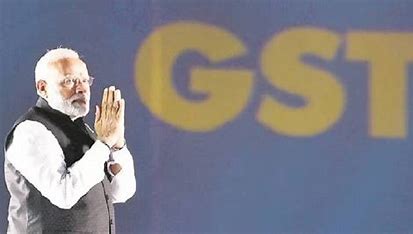
Prime Minister Narendra Modi addressed the nation on Sunday evening to announce the launch of ‘GST 2.0’, which will come into effect from September 22. He expressed optimism that the new tax system will provide significant benefits to various segments of Indian society, ranging from the middle class to the youth. Modi emphasized that these ‘next-generation’ GST reforms would bring a positive impact across multiple sectors, helping consumers and businesses alike.
Lower Prices, Direct Benefits for Consumers as GST Rates Get Slashed
Ahead of the GST rate changes, companies have ramped up promotional campaigns to highlight the price reductions on products. Following the 56th GST Council meeting on September 3, a decision was made to lower the GST rates on over 375 essential goods. As a result, many products are expected to become more affordable starting September 22, with several companies already announcing price cuts of up to 10%.
Price Reductions in Dairy and Food Products
Companies such as Amul and Mother Dairy have announced reductions in their product prices. For example, Amul’s one-litre milk carton will now cost ₹80, down from ₹83, while Mother Dairy’s UHT milk has dropped to ₹75 per litre from ₹77. Additionally, dairy items like Amul’s paneer and butter have seen price reductions ranging from 3% to 6%.
Significant Price Drops in FMCG Products
The price reduction wave extends beyond dairy, with FMCG products like snacks, biscuits, and ice creams also becoming cheaper. For instance, Pringles has slashed the price of its 107g pack by 12%, dropping from ₹110 to ₹97. Similarly, Mother Dairy has reduced the price of its 50ml vanilla ice cream cup from ₹10 to ₹9, offering a 10% discount. Other products in the FMCG sector, including packaged foods and beverages, are expected to see similar price cuts.
Lower Prices for Hygiene Products
Hygiene and personal care products such as shampoo, soap, toothpaste, and hair oil will also see price reductions. Brands like L’Oréal, Himalaya, Dove, and Close-Up have announced a decrease of 11% to 13% in the prices of these products, which will bring relief to consumers.
Construction Industry and Other Key Sectors to Benefit
One of the notable areas benefiting from the GST rate cut is the construction sector. Cement, a critical component of infrastructure development, has seen its GST rate reduced, leading to price cuts of approximately 10%. This change is expected to benefit not only the construction industry but also related sectors like small and medium enterprises (SMEs) that supply materials to builders.
Health Insurance Premiums to Become Cheaper
GST rate cuts also extend to health and life insurance premiums, which previously carried an 18% tax. Now, these policies will be exempt from GST, potentially lowering premiums by up to 15%, which could lead to wider access to affordable insurance for Indian consumers.
Far-reaching Impact in Remote Areas
The new GST structure is expected to have a significant impact even in remote regions, where products like vehicles, household appliances, and other essentials will now be more affordable. For example, Whirlpool has announced price reductions of ₹4,000 to ₹5,000 on air conditioners and dishwashers. Meanwhile, Maruti Suzuki has slashed car prices by ₹46,000 to ₹1.29 lakh across its range, making cars more accessible to a wider section of the population.
A Major Step Towards Economic Reforms
Economists view the GST rate cuts as a critical step towards boosting consumer demand and reviving economic activity. According to experts, these reductions are likely to stimulate the economy by enhancing household spending, which in turn will create opportunities for savings and investment.
Positive Outlook for Consumers and Businesses Alike
The introduction of GST 2.0 marks a transformative shift in India’s taxation system. It is expected to reduce the cost of living for Indian households by making everyday goods and services more affordable. Moreover, small and medium enterprises (SMEs) are set to benefit from lower costs of raw materials and improved demand for their products and services.
The government’s aim with these reforms is clear: to empower consumers, stimulate domestic consumption, and encourage a more vibrant economic ecosystem. As these changes take effect, both consumers and businesses can look forward to a more affordable and dynamic market environment.
Source: News Agencies