By: The Trek News Desk
Tensions have escalated once again as the Russia-Ukraine war approaches its fourth anniversary. On Sunday, a Ukrainian drone attack triggered a fire at a key Russian port along the Black Sea coast, just days before fresh peace negotiations mediated by the United States are set to begin.
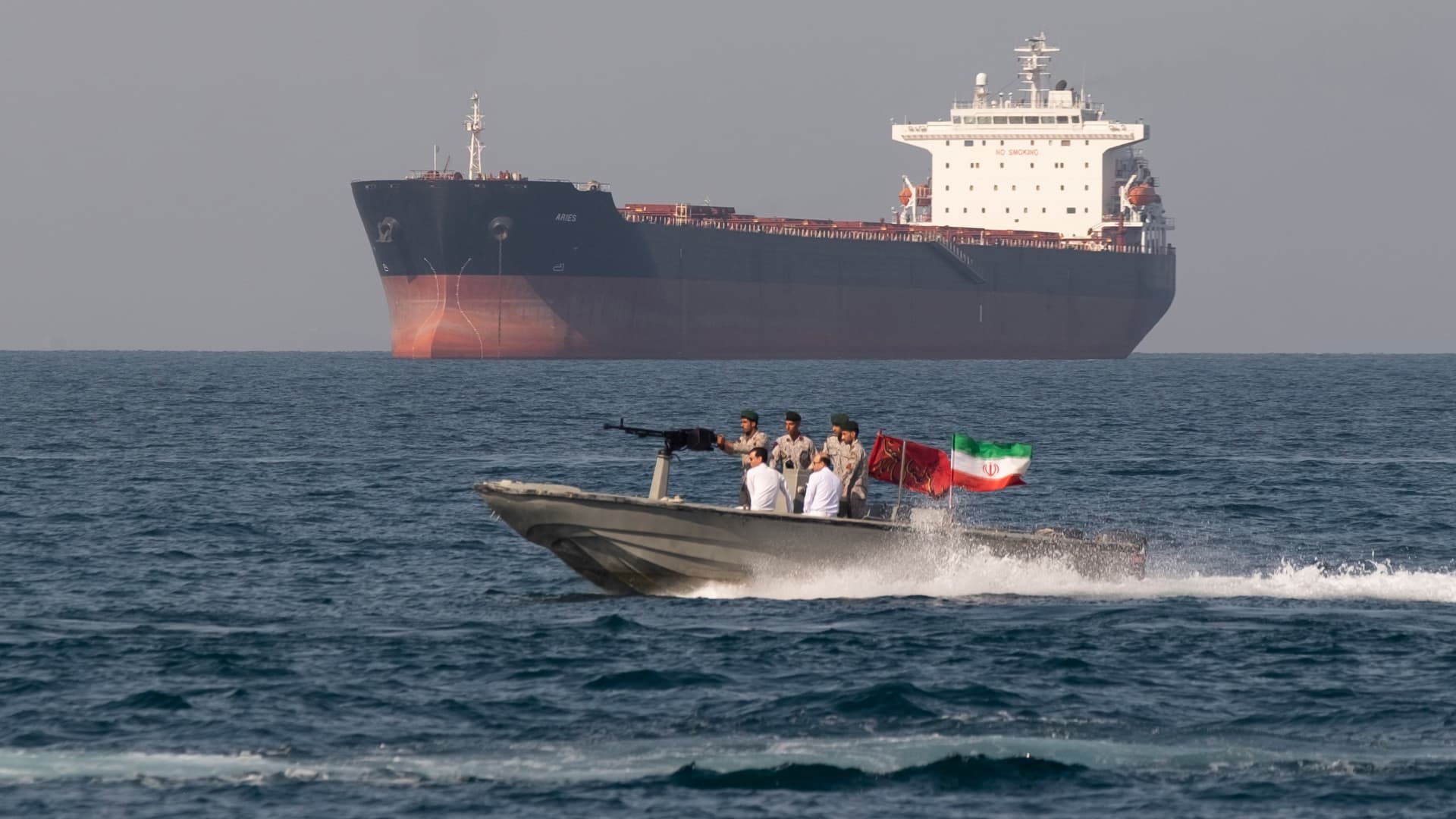
Authorities in Russia’s Krasnodar region confirmed that the port of Taman was targeted in the strike. According to regional Governor Veniamin Kondratyev, two people were injured in the incident. The attack reportedly damaged an oil storage facility, a warehouse, and port terminals, leading to significant disruption.
Meanwhile, in Ukraine’s Odesa region, debris from Russian drones caused damage to civilian and transportation infrastructure. Local officials stated that the incident disrupted electricity and water supplies in parts of the area.
Security analysts suggest that Ukraine’s long-range drone operations against Russian energy facilities are aimed at weakening Moscow’s oil export revenues, a crucial source of funding for its military campaign. On the other hand, Kyiv accuses Russia of targeting Ukraine’s power grid in an attempt to deprive civilians of heating, electricity, and water during the winter months.
The latest escalation comes ahead of a new round of U.S.-brokered negotiations between Russian and Ukrainian representatives scheduled for Tuesday and Wednesday in Geneva. The talks are taking place just before February 22, marking four years since Russia launched its full-scale invasion of Ukraine.
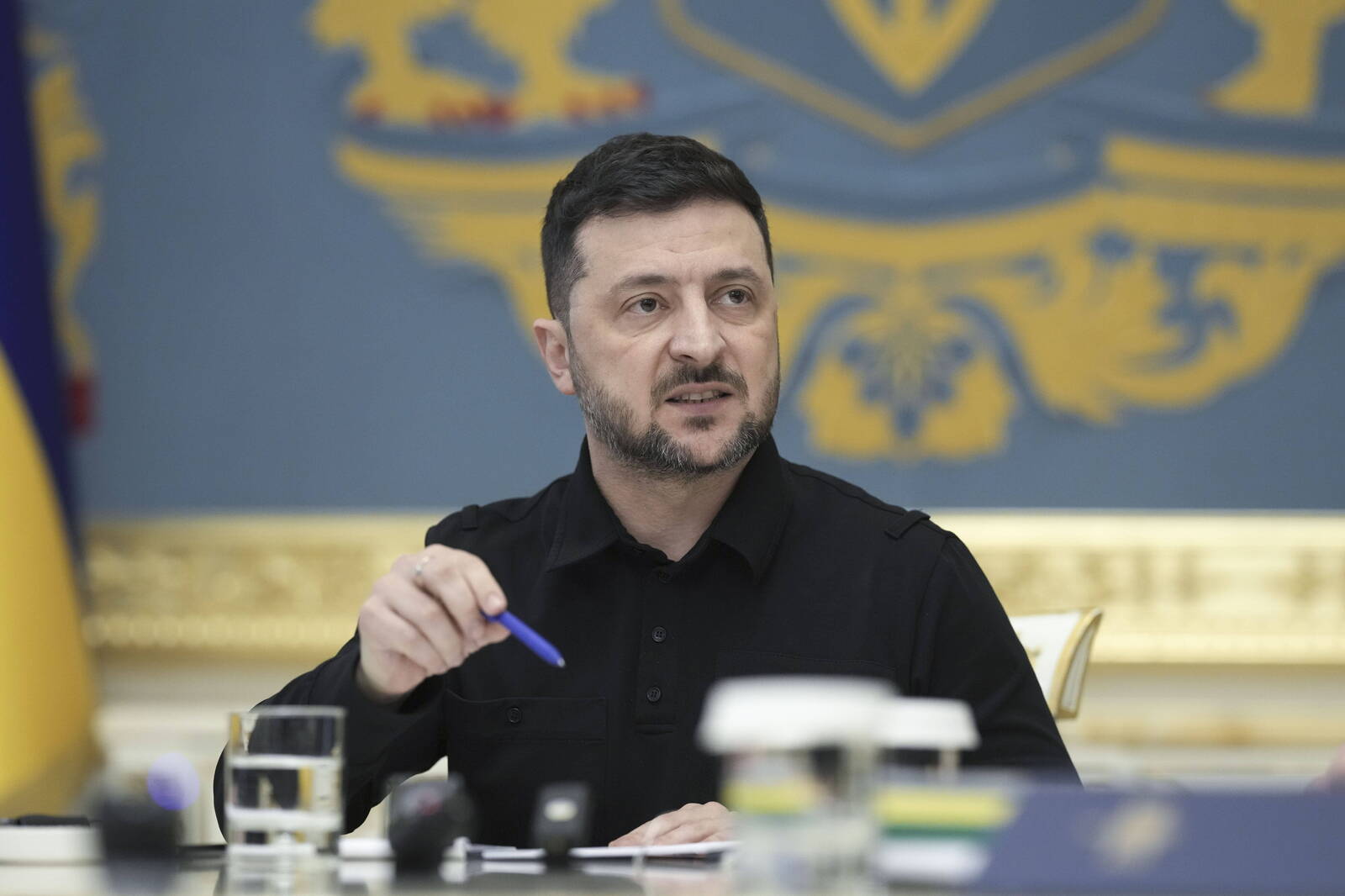
Speaking at the Munich Security Conference in Germany on Saturday, Ukrainian President Volodymyr Zelenskyy raised concerns about the lack of clarity surrounding future security guarantees for his country. He questioned how a U.S.-proposed free trade zone would function in the Donbas region, which Russia insists Ukraine must relinquish as part of any peace settlement.
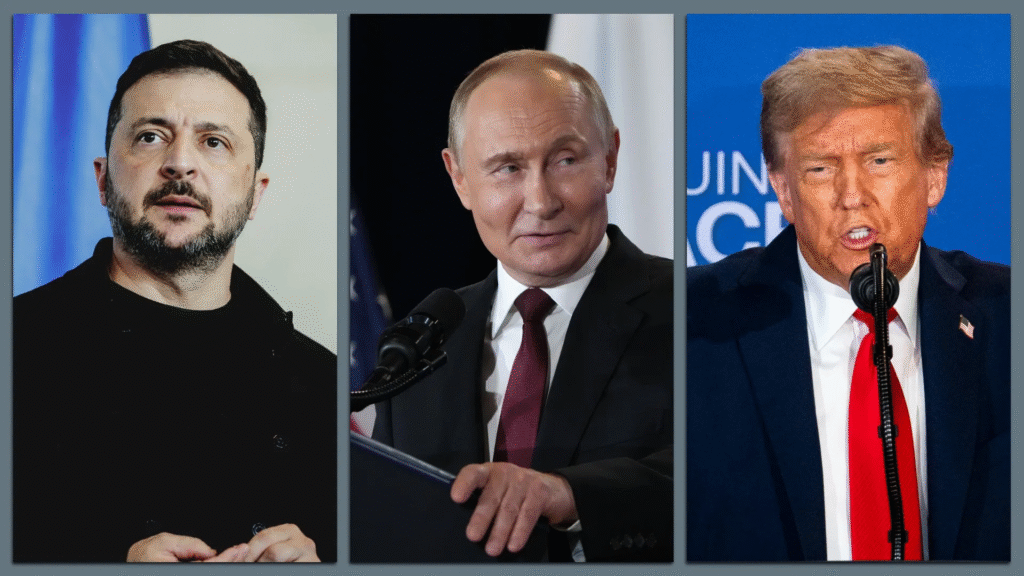
Zelenskyy indicated that while Washington appears eager to finalise agreements swiftly and sign multiple arrangements simultaneously, Kyiv is prioritising firm and binding security assurances before committing to broader deals.
U.S. Senator Jeanne Shaheen, a senior member of the Senate Foreign Relations Committee, echoed Ukraine’s concerns. She warned that without concrete security guarantees in any eventual peace agreement, the region could face renewed instability in the future.
European Union foreign policy chief Kaja Kallas stated that Russia may be seeking to achieve through diplomacy what it could not secure on the battlefield. She emphasised that decisions regarding sanctions relief and the unfreezing of Russian assets fall under European jurisdiction.
Kallas further stressed that a lasting peace would require meaningful concessions from Moscow as well. Previous U.S.-led discussions, including two rounds of talks in Abu Dhabi, failed to bridge differences over complex issues such as the future status of the largely Russian-occupied Donbas region.
As the conflict enters its fourth year, the latest developments underscore the fragile security situation and the formidable challenges that lie ahead in achieving a sustainable ceasefire and long-term peace.
Source: News Agencies