By: The Trek News Desk
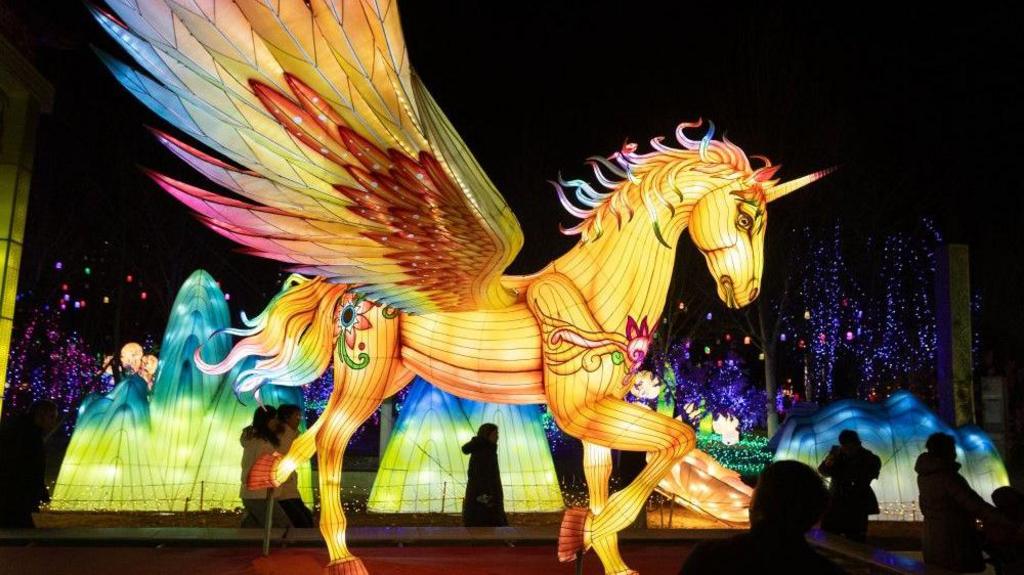
Countries across East and Southeast Asia marked the beginning of the Year of the Fire Horse with vibrant celebrations, family gatherings, and long-held traditions. On the first day of the Lunar New Year, millions came together to usher in the festival with joy and cultural rituals.
Across the region, customary practices were observed, red envelopes were exchanged as symbols of prosperity, longevity noodles were enjoyed, and mandarin oranges were shared to represent good fortune. Large numbers of people also began travelling back to their hometowns to celebrate with loved ones.
China is experiencing an unprecedented surge in travel this festive season. Authorities estimate that nearly 9.5 billion inter-regional trips will be made during the Lunar New Year period, widely regarded as the world’s largest annual human migration. Railway stations, airports, and bus terminals have been packed as families reunite for the holiday.
In South Korea, the five-day holiday period is expected to see around 720,000 outbound travellers departing from Incheon International Airport. The festive break has triggered a notable rise in tourism and overseas family visits.
In Manila’s Binondo district, considered the oldest Chinatown in the world, families gathered to enjoy traditional delicacies. Sticky rice cakes, dumplings, and stir-fried noodles were among the popular dishes as streets buzzed with celebration.
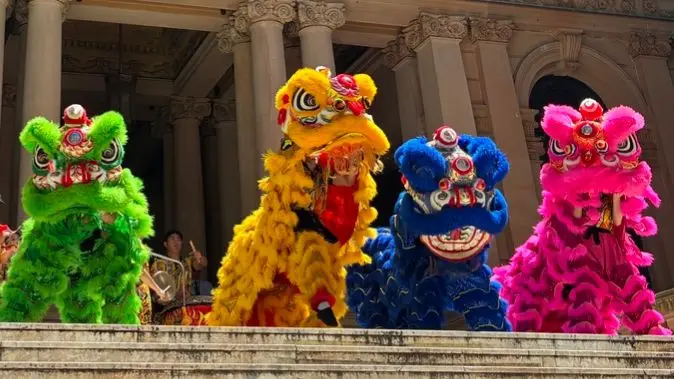
Sydney also joined the celebrations, hosting colourful lion dance performances at prominent locations including Darling Harbour and Town Hall. Spectators were treated to lively displays featuring four lions in green, yellow, blue, and pink, adding a festive charm to the occasion.
Celebrations in Bangkok were comparatively restrained. Thailand continues to observe a year-long mourning period following the passing of Queen Sirikit. As a result, local authorities decided against organising official festivities, though private groups held limited events.
While decorations were less elaborate than in previous years, devotees still visited temples to offer prayers and embrace the festive atmosphere in their own way.
Despite regional differences in tone and tradition, the Year of the Fire Horse has been welcomed across Asia with cultural pride, spiritual reflection, and community celebration.
Source: News Agencies