

By: The Trek News Desk
In a grave development, the World Health Organization (WHO) has issued a medical alert regarding three contaminated cough syrups manufactured in India that are suspected of causing the deaths of children in Madhya Pradesh. This warning marks the fifth such alert from the WHO about Indian-made syrups since 2022, drawing attention to a growing safety concern in the global pharmaceutical industry.
In a chilling reminder of the dangers lurking in pharmaceutical products, the WHO recently raised an alarm after the death of several children in Madhya Pradesh, India. According to reports, the fatalities were linked to three different cough syrups that contained dangerously high levels of diethylene glycol (DEG), a toxic chemical.
The WHO’s investigation, triggered by the deaths, revealed that these syrups, which were intended for local distribution, had been contaminated with DEG, exceeding permissible limits. DEG, a compound used in antifreeze and other industrial applications, is harmful to human health when consumed.
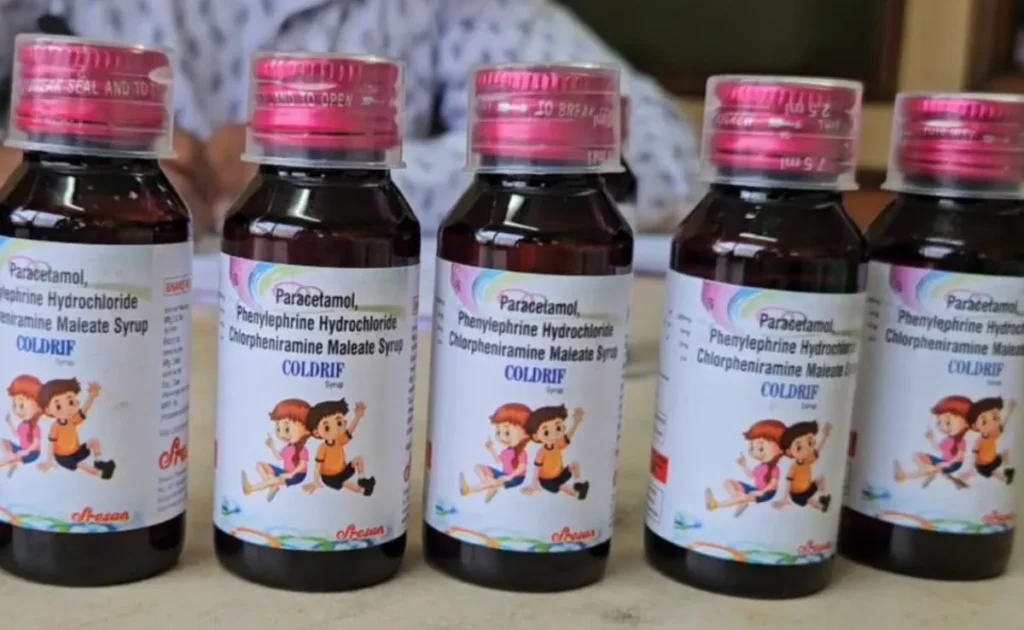
The three affected cough syrups include:
- Coldrif by Sresen Pharmaceuticals (Tamil Nadu): Found to contain a staggering 48.6% DEG. The permissible limit for DEG in syrups is only 0.1%.
- Respifresh by Rednex Pharmaceuticals (Gujarat): Contained 1.3% DEG.
- ReLife Syrup by Shape Pharma: Had 0.6% DEG.
The presence of DEG at such high levels is highly alarming because even small amounts of the substance can cause severe toxicity, particularly in children.
The WHO’s alert underscores the importance of stringent quality control measures in the manufacturing process. According to the global health body, both ethylene glycol and diethylene glycol can enter medicines as contaminants during production. These chemicals are found in industrial-grade polyethylene glycol, which may contain higher levels of DEG compared to the pharmaceutical-grade variant used in medicine.
India’s drug regulator, the Central Drugs Standard Control Organisation (CDSCO), has responded swiftly to the WHO’s alert. Authorities have ordered an immediate halt to the production of the affected syrups at the manufacturing sites and have suspended their product authorisations. A recall of the contaminated products has already been initiated by state regulators.
In response to the growing concerns, the WHO has confirmed that the contaminated syrups were not intended for export, ruling out the possibility of these harmful products reaching international markets. However, the WHO is continuing its efforts to ensure that global health regulators are alerted and equipped to detect such contamination in the future.
This incident is the latest in a series of similar alerts issued by the WHO since 2022, when a spate of child deaths in Gambia was linked to contaminated syrups originating from India. Although the investigation into the deaths in Gambia did not conclusively link them to the Indian-made syrups, the recurring incidents have raised serious questions about the quality and safety of pharmaceutical products being produced in the country.
The WHO has been working closely with regulators across the world, including those in low-resource settings, to help detect and prevent such contamination. Additionally, the Indian Pharmacopoeia Commission (IPC) has stepped forward to assist with regional capacity building for testing ethylene and diethylene glycol contamination in medicines.
This case serves as a reminder of the ongoing challenges in ensuring the safety of pharmaceutical products, particularly those intended for children. With multiple incidents in recent years highlighting significant lapses in manufacturing and quality control, the WHO’s alert further emphasises the need for stronger regulatory oversight and accountability within the global pharmaceutical industry.
Source: News Agencies

