
By: The Trek News Desk
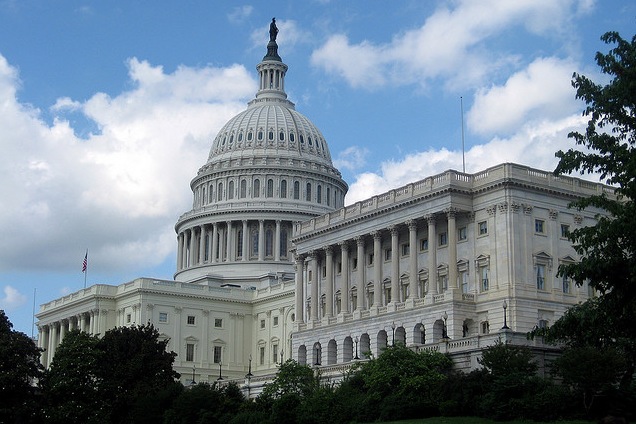
In a significant breakthrough, the U.S. Senate has approved a deal aimed at ending the nation’s record-breaking government shutdown, which began on October 1. The vote marks the first formal step toward restoring government operations after more than 40 days of political deadlock.
During this period, several federal agencies have been partially or completely shut down, leaving nearly 1.4 million federal employees either on unpaid leave or working without compensation. The shutdown has also disrupted essential services, including air travel operations and SNAP food assistance, which supports more than 41 million low-income Americans.
Key Highlights of the Deal
The bipartisan agreement was crafted after extensive negotiations between Senate Majority Leader John Thune and the White House, with notable input from Democratic Senators Jeanne Shaheen and Maggie Hassan of New Hampshire, as well as Independent Senator Angus King of Maine.
While Republicans hold a 53–47 majority in the Senate, the measure required 60 votes to pass. The bill succeeded with the support of eight Democrats, though Sen. Rand Paul (R-KY) voted against it, citing concerns over increasing national debt.
One of the central provisions of the agreement is a commitment to hold a December vote on extending federal healthcare subsidies, which were set to expire this year, a key demand of Democratic lawmakers.
Political Reactions
Following the Senate vote, Majority Leader John Thune expressed optimism about bipartisan cooperation, saying, “It’s encouraging to see members of both parties come together to address this crisis. The President is ready to work with Congress, and I’m hopeful we’ll see meaningful progress soon.”
However, several Democrats voiced frustration over the lack of concrete assurances on healthcare. Senate Minority Leader Chuck Schumer criticised the deal, stating: “Democrats have been pushing for months to address the healthcare crisis, yet this bill does not guarantee any real action.”
California Governor Gavin Newsom went a step further, calling the decision by some Democrats to support the bill “a weak and disappointing compromise.”
What Comes Next
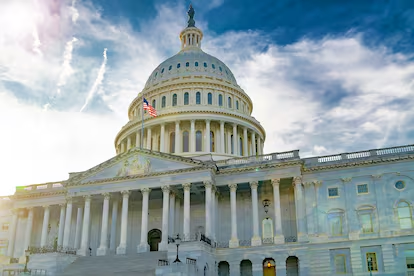
The Senate vote represents only the first procedural hurdle. The measure still requires approval from the House of Representatives, where debates and amendments could prolong the process.
If enacted, the deal would provide temporary funding for the federal government until January 30, alongside full-year appropriations for agencies such as Veterans Affairs and the Department of Agriculture. It also ensures back pay for all federal employees affected during the shutdown and extends SNAP benefits through next September.
For now, the agreement brings a glimmer of hope to millions of Americans impacted by the prolonged impasse. However, unless a longer-term funding resolution is reached by late January, another government shutdown could be looming early next year.
The Senate’s approval marks the most promising development yet in resolving what has become the longest government shutdown in U.S. history. While optimism grows over the reopening of federal operations, the real test will come in the House and whether both parties can finally agree on a lasting fiscal solution.
Source: News Agencies