By: The Trek News Desk
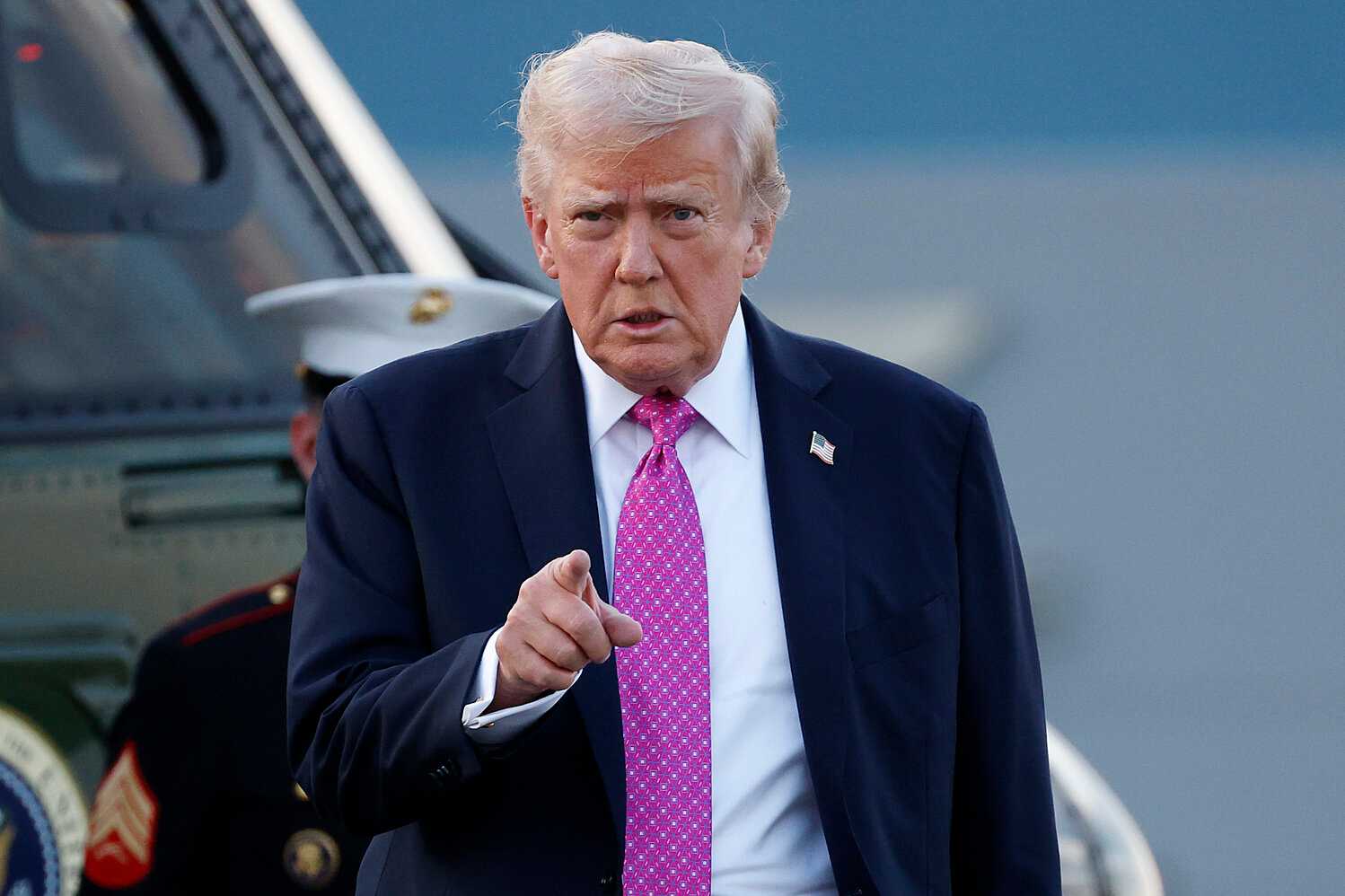
The United States has formally completed its withdrawal from the World Health Organization (WHO), bringing to an end a process that was initiated a year ago through an executive order signed by President Donald Trump. The move has been confirmed by both the US Department of Health and Human Services (HHS) and the State Department.
According to a senior HHS official, the US administration believes that the WHO has drifted away from its core objectives and has failed to meet expectations related to reform, transparency, and accountability. The official pointed to the organization’s handling of the COVID-19 pandemic as a key reason behind the decision.
The administration has accused the WHO of delaying the declaration of COVID-19 as a global health emergency, arguing that this hesitation weakened the international response at a critical time. It was also claimed that the organisation acted against American interests on multiple occasions.
US officials further stated that Washington has contributed significantly more funding to the WHO than many other countries, including China. Despite this, no American has ever held the post of Director-General of the global health body.
Under United Nations regulations, member states are required to give a one-year notice before withdrawing from the WHO. The United States submitted this formal notice when the executive order was signed last year. UN records indicate that the US currently owes around $270 million in unpaid contributions for the 2024–2025 period. However, HHS maintains that the US is not legally obligated to clear this amount under the WHO’s constitutional framework.
The White House has emphasised that even outside the WHO, the United States will remain actively engaged in global public health initiatives. HHS officials noted that more than 2,000 US health personnel are currently working across 63 countries, supported by numerous bilateral agreements with foreign governments. Programs related to disease surveillance, testing, and outbreak response are expected to continue without interruption.
Reacting to the development, a WHO spokesperson said the US withdrawal would be discussed during the organisation’s executive board meeting, scheduled for early February, and further steps would be guided by decisions of its governing bodies.
Public health experts, however, have expressed serious concerns. Ronald Nahass, President of the Infectious Diseases Society of America, warned that global cooperation is essential when addressing health threats.
“Diseases do not recognise borders,” he said, cautioning that leaving the WHO could weaken global disease monitoring systems, including surveillance for Ebola and seasonal influenza.
HHS has clarified that there are currently no plans for the United States to rejoin the WHO or to participate in the organization as an observer.
Source: News Agencies