By: The Trek News Desk
US President Donald Trump’s warning to impose fresh tariffs on several European countries over their opposition to his proposal to bring Greenland under American control has triggered sharp criticism across Europe. Senior European leaders have described the move as wrong, unjustified and contrary to international law.
President Trump announced that goods exported to the United States from Denmark, Norway, Sweden, France, Germany, the United Kingdom, the Netherlands and Finland will face a 10% import tariff starting 1 February. He further indicated that the tariff could be increased to 25% from June and would remain in force until a “deal” related to Greenland is reached.
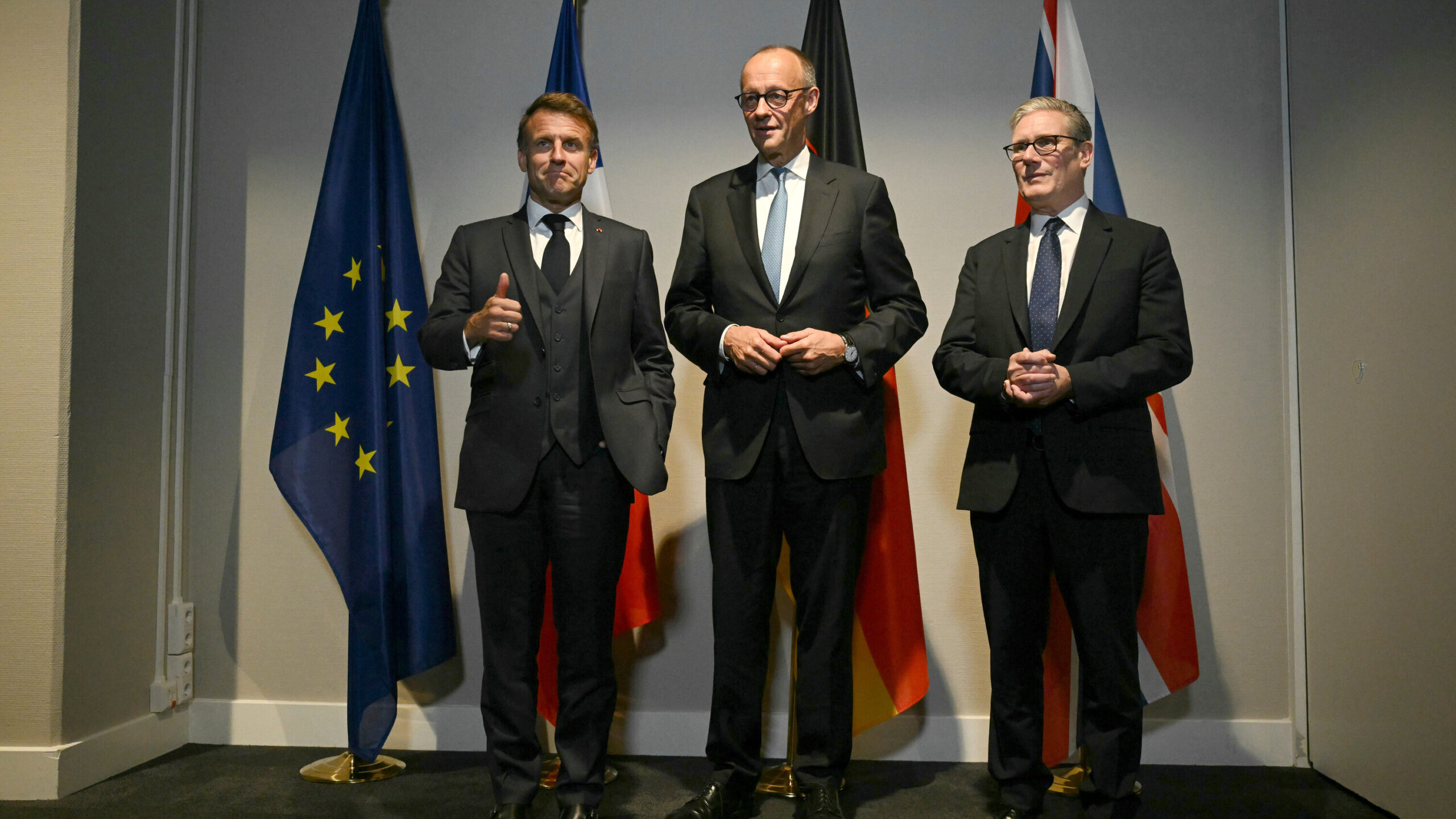
UK Prime Minister Sir Keir Starmer strongly condemned the decision, calling it “completely wrong” to penalise allies who are acting in the interest of collective NATO security. French President Emmanuel Macron echoed the criticism, stating that such tariff threats are unacceptable and that Europe will not bow to political pressure or intimidation.
Following Trump’s remarks, the European Union convened an emergency meeting in Brussels on Sunday, bringing together ambassadors from all 27 member states. Reports suggest discussions focused on coordinating a unified response to Washington’s actions.
At the same time, thousands of demonstrators gathered in both Greenland and Denmark to protest against the proposed US takeover. Protesters carried placards reading “Greenland is not for sale” and “Greenland’s future belongs to Greenlanders,” underscoring strong public opposition.
Although sparsely populated, Greenland is rich in natural resources and occupies a strategically vital position in the Arctic. Its location makes it important for military surveillance, missile warning systems and regional security. President Trump has previously stated that the United States could acquire Greenland “one way or another,” comments that have heightened tensions.
European nations have rallied behind Denmark, insisting that security in the Arctic should remain a shared NATO responsibility. France, Germany, Sweden, Norway, Finland, the Netherlands and the UK have already deployed small numbers of troops to Greenland as part of a reconnaissance mission.
Swedish Prime Minister Ulf Kristersson said his country would not give in to “blackmail,” while European Commission President Ursula von der Leyen warned that tariffs could seriously damage transatlantic relations and push them into a dangerous downward spiral.
Denmark’s Foreign Minister Lars Lokke Rasmussen said the tariff threat came as a surprise. Meanwhile, Manfred Weber, leader of the conservative EPP group in the European Parliament, suggested that Trump’s stance on Greenland has put the recently negotiated EU–US trade agreement in doubt.
In contrast, US Ambassador to the United Nations Mike Waltz argued that Denmark lacks the resources to manage security in the far north and claimed Greenlanders would be safer and more prosperous under US protection.
Opinion polls, however, indicate that around 85% of Greenland’s population opposes joining the United States. Recent demonstrations in Copenhagen and Nuuk saw political leaders and citizens alike calling for respect for Greenland’s sovereignty and right to self-determination.
The tariff threat has further strained relations between the US and its NATO allies, intensifying the international dispute surrounding Greenland’s future.
Source: News Agencies