By: The Trek News Desk
The Supreme Court of India on Monday (February 16, 2026) refused to entertain petitions seeking a criminal investigation and registration of an FIR against Assam Chief Minister over alleged hate speech. The apex court observed that it found no compelling reason to intervene directly and advised the petitioners to approach the appropriate High Court.
A three-judge Bench led by Chief Justice of India Surya Kant directed the petitioners to file their pleas before the Gauhati High Court. The petitioners argued that since the Chief Minister holds a powerful position in the State, a fair investigation might be difficult. However, the Bench expressed confidence in the authority and jurisdiction of the High Court to address the matter.
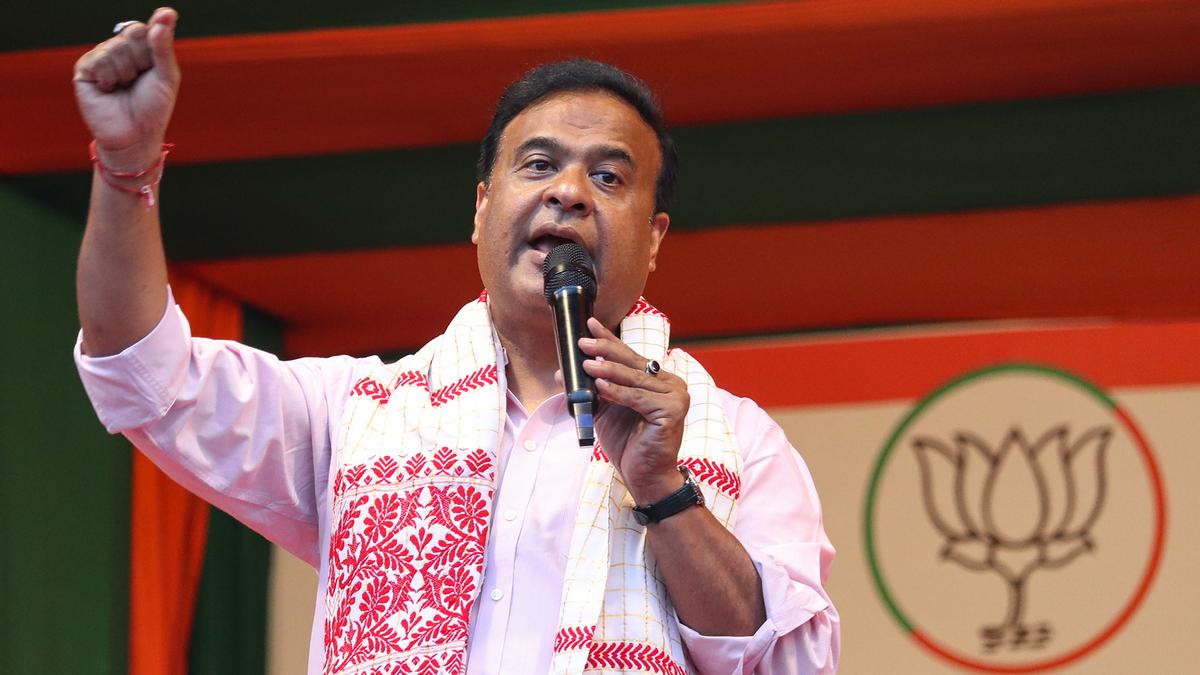
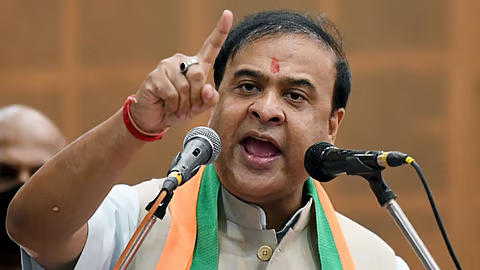
The petitions were filed against Himanta Biswa Sarma, alleging that he delivered communal speeches and shared a controversial social media post showing him firing a weapon toward an animated depiction of two Muslim men. Although the post was later deleted, the petitioners contended that the video continued to circulate widely across digital platforms.
The pleas were moved by Left parties and other petitioners, represented by senior advocates A.M. Singhvi, C.U. Singh, and advocate Nizam Pasha. They submitted that the Chief Minister, while holding constitutional office, made remarks that allegedly incited hostility against the Muslim community.
While declining to hear the matter directly, the Supreme Court remarked that no political leader or constitutional functionary should act in a manner that undermines the secular values enshrined in the Constitution, particularly during the election period. Nonetheless, the court stressed that bypassing High Courts and filing petitions directly before the Supreme Court should not become a routine practice.
Chief Justice Kant noted that High Courts possess powers comparable to those of the Supreme Court in such matters. He cautioned that sidelining them could weaken the judicial framework.
In response, the petitioners argued that the issue involved a constitutional office-holder and could be addressed under Article 32 of the Constitution. However, the Bench maintained that the High Court was the appropriate forum at this stage.
The Supreme Court also requested the Chief Justice of the Gauhati High Court to ensure that, if filed, the matter is listed and heard expeditiously. The Bench urged the petitioners to place their faith in the judicial system.
The case has sparked political and legal debate in Assam, raising broader questions about the limits of political speech, freedom of expression, and the responsibility of constitutional authorities to uphold communal harmony.
Source: News Agencies