By: The Trek News Desk
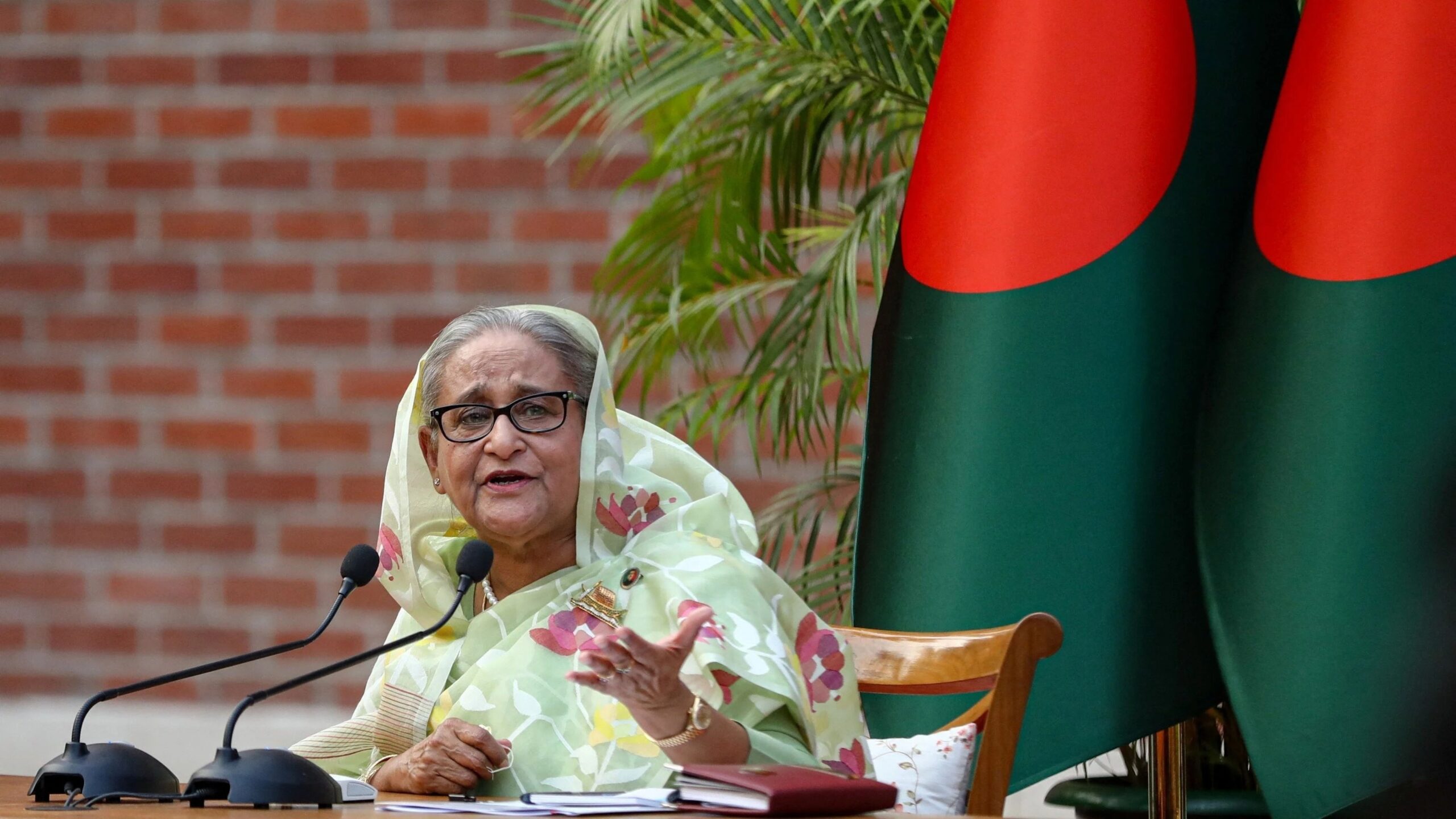
Bangladesh is witnessing one of its most dramatic political moments in recent history. The International Crimes Tribunal (ICT-BD) has handed down a death sentence to former Prime Minister Sheikh Hasina, ruling her guilty of crimes against humanity linked to last year’s student-led uprising. The verdict, delivered after months of hearings and high political tension, has intensified nationwide unease and security concerns.
Co-accused Await Final Judgement
The tribunal has yet to issue rulings on two others charged in the same case, former Home Minister Asaduzzaman Khan Kamal and former police chief Chowdhury Abdullah Al-Mamun. Prosecutors have requested the death penalty for all three.
Al-Mamun was the only one to appear in court on Monday. He had confessed in July and agreed to testify as a state witness, dramatically shifting the trajectory of the case.
Heightened Security in Dhaka After Pre-Verdict Explosions
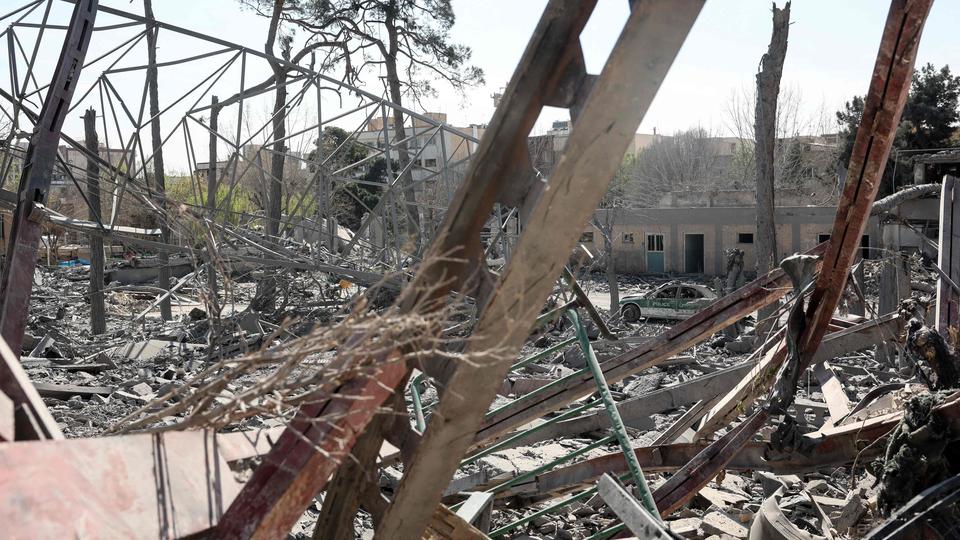
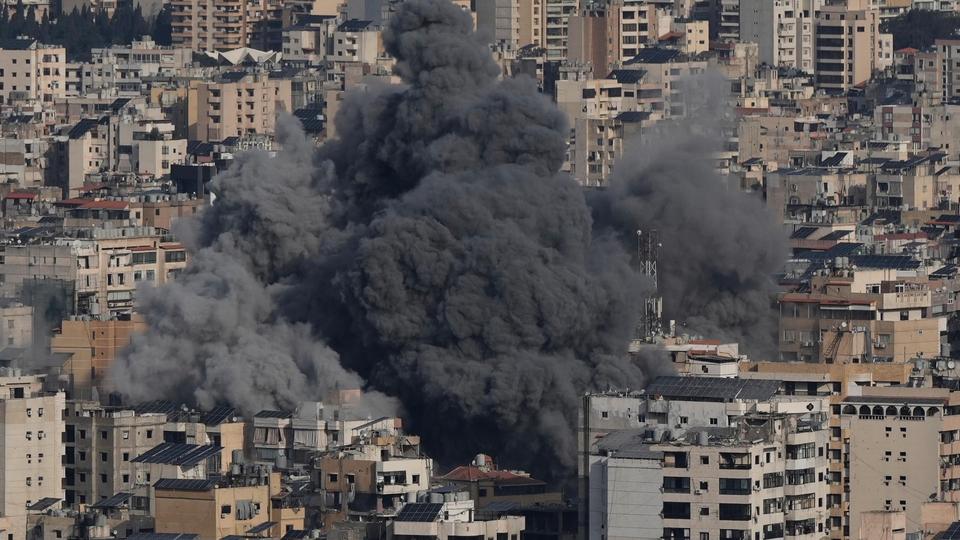
A day before the ruling, several crude bombs went off across Dhaka, deepening an already tense atmosphere in the capital. While no casualties were reported, authorities immediately raised the alert level.
Dhaka Metropolitan Police issued shoot-on-sight orders for anyone engaged in arson, bomb attacks or violence. The military, Border Guard Bangladesh units, and riot police have been deployed across sensitive areas.
Meanwhile, the recently banned Awami League has announced a two-day shutdown in protest.
Hasina’s son and adviser, Sajeeb Wazed, warned that if the ban on the party is not revoked, supporters could mobilise to block the February national elections, potentially triggering further unrest.
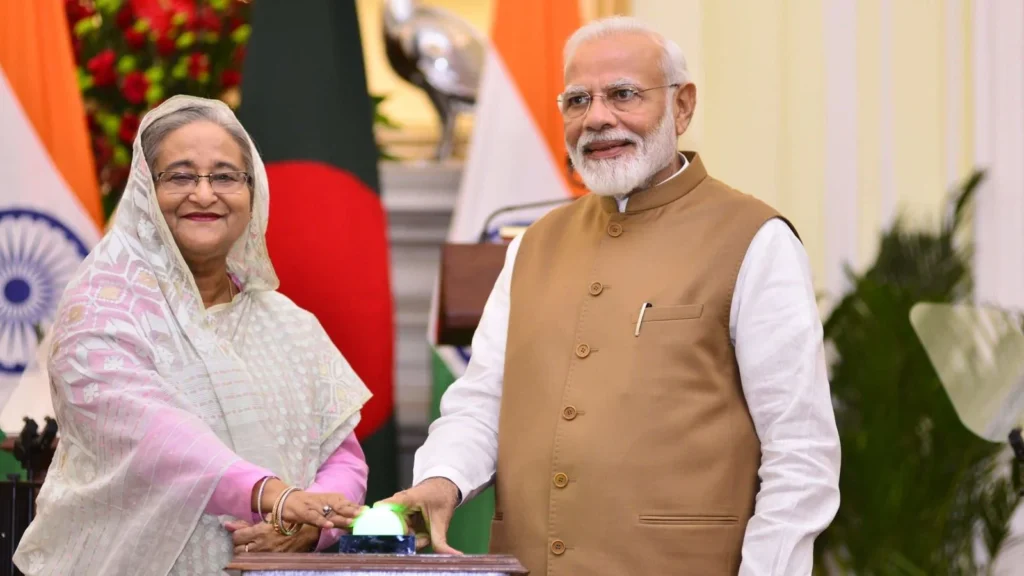
Since fleeing Bangladesh in August 2024, Sheikh Hasina has been living in political exile in New Delhi.
From Pro-Democracy Icon to Controversial Leader
Sheikh Hasina, Bangladesh’s longest-serving prime minister, first rose to national prominence in the 1980s as a strong voice against military dictatorship.
She assumed office for the first time in 1996.
However, her extended tenure beginning in 2009 brought a wave of controversy. Allegations of enforced disappearances, extra-judicial killings and suppression of dissent steadily eroded her earlier democratic image.
Regarding last year’s anti-government protests, Hasina called the deaths “tragic” but firmly denied ordering security forces to open fire on demonstrators.
A Political Journey Marked by Survival and Loss
In 1975, Hasina’s father, Bangladesh’s founding leader, Sheikh Mujibur Rahman, was assassinated along with most of their family. Hasina and her sister, Sheikh Rehana, survived only because they were abroad at the time.
Since 1981, Hasina has endured 19 assassination attempts and multiple arrests, yet she has remained one of the country’s most influential political figures for decades.
The Road Ahead
The ICT-BD verdict has pushed Bangladesh toward a fresh phase of political turbulence. With decisions pending for co-accused leaders, rising security tensions and uncertainty surrounding the upcoming national elections, the country appears to be entering an even more volatile chapter.
Source: News Agencies