By: The Trek News Desk
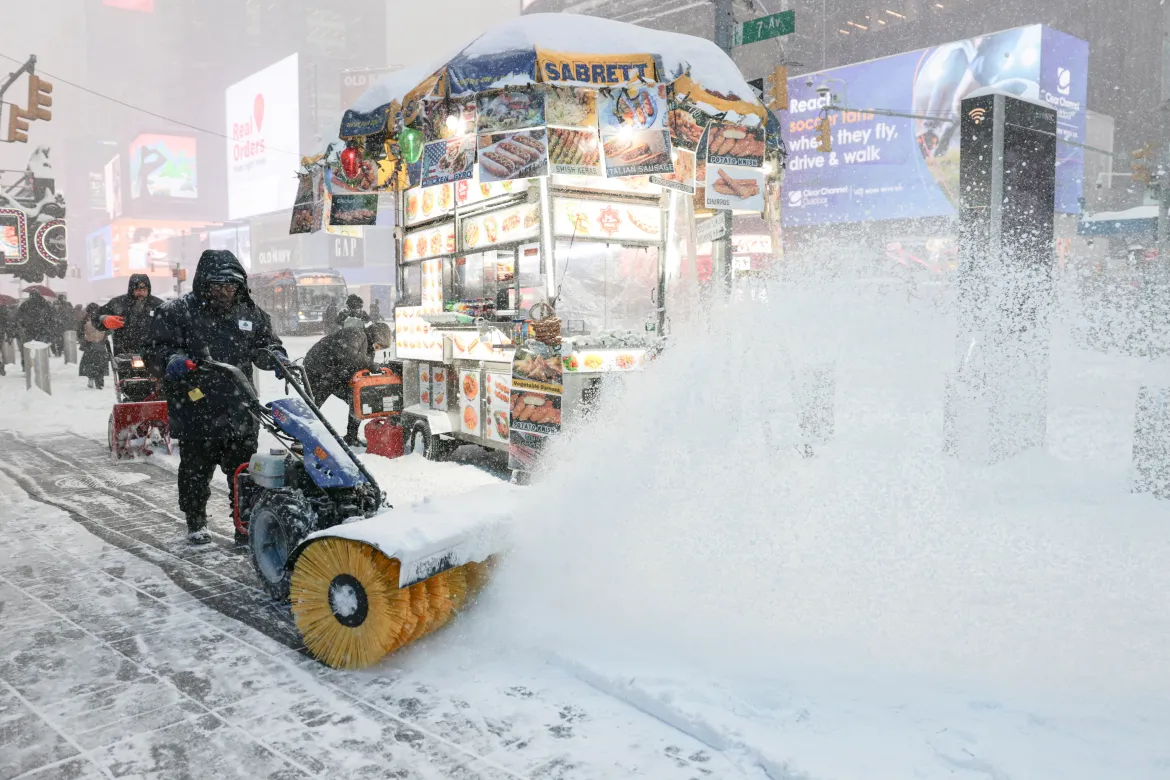
A powerful winter storm continues to wreak havoc across large parts of the central and eastern United States, claiming at least 38 lives in 14 states so far. Authorities say extreme cold, heavy snowfall, and icy conditions have severely disrupted daily life and created dangerous situations for millions of residents.
The storm system began forming on January 23 and intensified over the weekend, bringing widespread snow and ice. Road travel was badly affected, thousands of flights were cancelled, and the power supply was knocked out in several regions. Although snowfall eased by Monday, the aftermath has left behind an intense cold wave expected to persist for several more days.
By Tuesday, more than 550,000 homes and businesses nationwide were still without electricity. In response, city administrations activated emergency protocols, with a special focus on protecting vulnerable populations, including homeless residents.
New York City emerged as one of the worst-hit areas, reporting 10 fatalities linked to the extreme weather. Mayor Zohran Mamdani said the city recorded its coldest temperatures in eight years, with the mercury dropping to 8 degrees Fahrenheit. Officials are still assessing whether the victims were homeless.
Due to the severe cold, New York City has postponed its annual homeless population count, which is conducted under federal guidelines. Mayor Mamdani stressed that the priority during such extreme conditions is saving lives rather than collecting data.
Conditions remain dire in Nashville, Tennessee, where more than 135,000 properties are still without power. Officials warned that temperatures could fall to 6 degrees Fahrenheit by Wednesday morning, with wind chills making it feel even colder. Mayor Freddie O’Connell described the situation as a “historic ice storm.”
All homeless shelters in Nashville have reached capacity, prompting authorities to open additional overflow facilities. Relief organizations report a sharp surge in the number of people seeking warmth and shelter as the cold deepens.
Across the country, storm-related deaths have occurred due to a range of causes, including hypothermia, prolonged exposure to freezing temperatures, and cardiac incidents while clearing snow. States such as Texas, Kansas, Kentucky, Louisiana, Mississippi, South Carolina, Tennessee, and Michigan have all reported fatalities linked to the extreme weather.
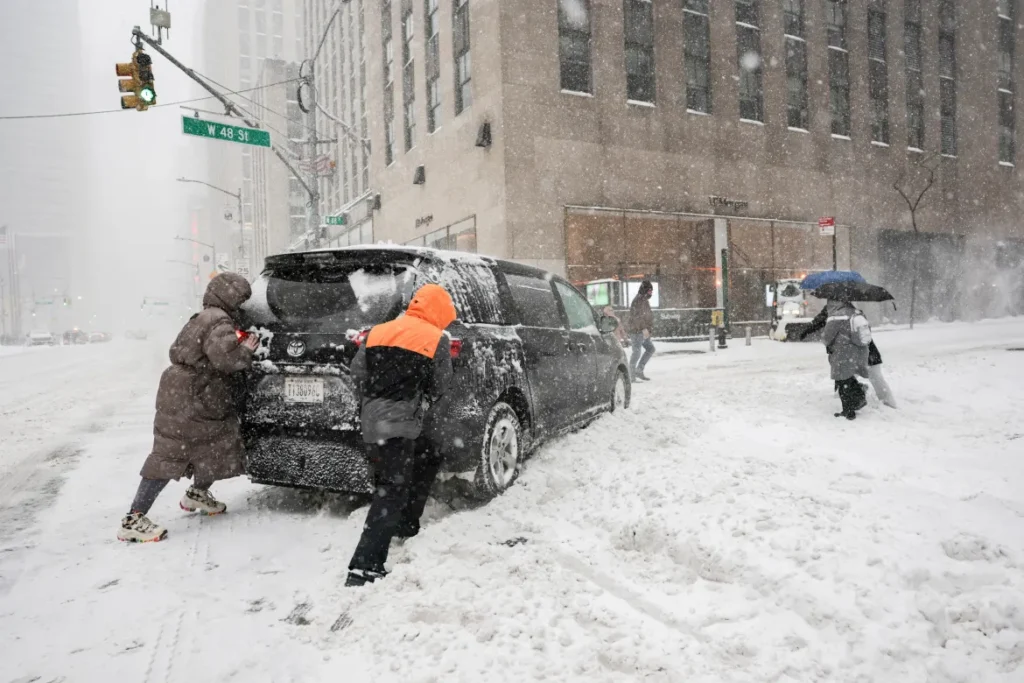
Meteorological agencies estimate that nearly 200 million Americans remain under some form of winter weather or cold warning, which could stay in effect until at least February 1. Forecasters are also monitoring the possibility of another winter system impacting the eastern United States in the coming days.
Authorities have urged residents to avoid unnecessary travel, remain indoors where possible, and follow safety advisories, as the harsh winter conditions show little sign of easing.
Source: News Agencies