By: The Trek News Desk
The Philippines is bracing for the impact of Super Typhoon Fung-Wong, known locally as Uwan, as the powerful storm edges closer to its eastern coast.
Authorities say more than one million people have already been evacuated to safety, with landfall expected along the country’s eastern shoreline by Sunday evening.
According to the national meteorological agency, Fung-Wong has been upgraded to a super typhoon, packing sustained winds of 185 km/h (115 mph) and gusts reaching 230 km/h (143 mph).
Bicol Hit First; Luzon Next in Line
The storm made its first impact early Sunday in the Bicol region, bringing torrential rain and intense winds. The country’s most populous island, Luzon, is expected to be hit by Sunday night.
Fung-Wong comes less than a week after Typhoon Kalmaegi, which devastated several provinces and claimed around 200 lives. The back-to-back storms have left much of the nation on edge.
Flights Cancelled, Classes Suspended
In anticipation of the storm, the government ordered schools to suspend or shift classes online, while nearly 300 flights were cancelled and ports closed across the country.
Meteorologists warn that Fung-Wong could make landfall somewhere between Baler and Casiguran districts. Although it may weaken slightly after striking land, it is expected to retain typhoon strength as it moves across Luzon.
Heavy Rain and Landslide Threat
Forecasters predict up to 200 millimetres of rainfall in parts of Luzon and 100–200 millimetres in Metro Manila, heightening fears of severe flooding and landslides.
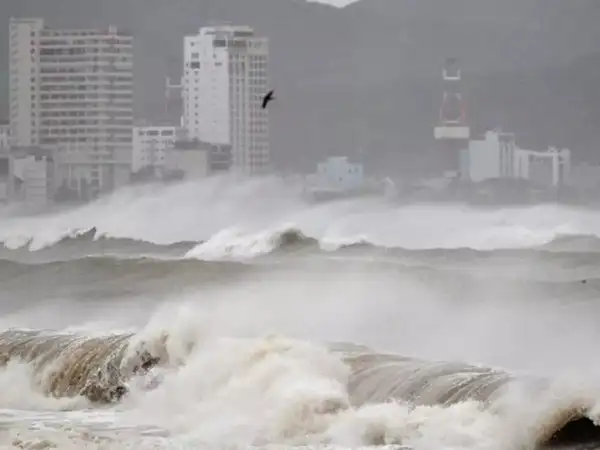
Eastern regions are already experiencing heavy downpours and strong winds. Officials have urged residents in Catanduanes Island and other low-lying coastal areas to move to higher ground before the full force of the storm arrives.
Fear and Precaution Among Residents
In Aurora province, hundreds have sought shelter inside a sports complex turned evacuation centre. Many families have brought along young children too young to remember Typhoon Haiyan, which killed more than 6,000 people in 2013.
“We didn’t want to take any chances this time,” said one mother from Sorsogon, who moved her family to a nearby church after seeing the waves rising near her home.
Another resident added, “The last storm brought floods to our town. This time, we just want to stay alive.”
Kalmaegi’s Destruction Deepens the Crisis
Fung-Wong’s arrival has forced the suspension of ongoing rescue and recovery operations following Typhoon Kalmaegi.
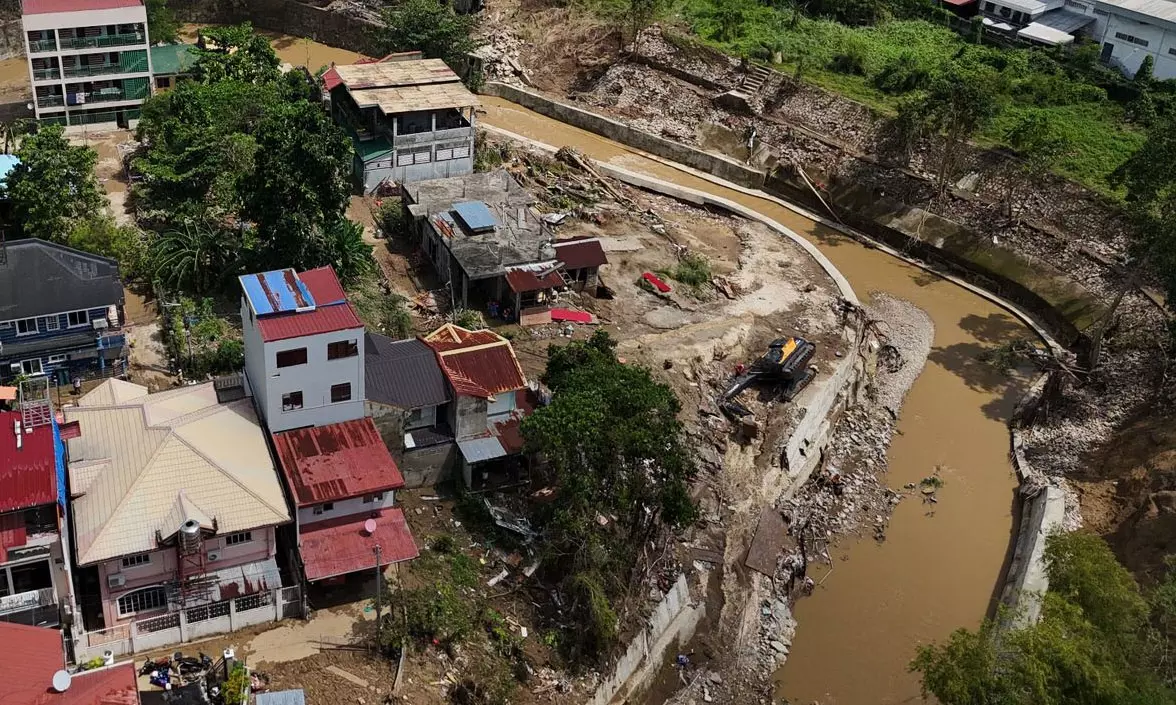
That earlier storm triggered flash floods and mudslides that swept through poor neighbourhoods and mountain villages, leaving 204 people dead and over 100 missing.
In neighbouring Vietnam, five people were also killed as powerful winds uprooted trees and tore apart rooftops.
State of Calamity Declared
The Philippine government has declared a State of Calamity, granting local authorities access to emergency funds and enabling faster distribution of essential supplies, food, and relief materials.
President Ferdinand Marcos Jr. has urged calm, saying the government is “fully prepared to respond,” but warned citizens to remain vigilant as the storm approaches.
A Nation on the Frontline of Climate Change
The Philippines sits on the western edge of the Pacific typhoon belt, one of the most active tropical cyclone zones in the world.
On average, 20 storms form in the region each year, about half of which make landfall in the country.
While scientists note that climate change has not increased the number of storms, it is making them more intense, fuelled by warmer oceans and rising global temperatures. The result: stronger winds, heavier rainfall, and worsening coastal flooding.
As Fung-Wong Approaches
For millions across the Philippines, the wounds left by Kalmaegi are still fresh. Now, with Fung-Wong approaching, the fear has returned.
The next 24 hours will be crucial in determining whether the nation can withstand yet another blow from nature’s fury or face a repeat of past devastation.
Source: News Agencies