
By: The Trek News Desk
Syria on Monday marks the first anniversary of the fall of Bashar al-Assad, a political turning point that came after years of brutal conflict. While the nation celebrates the end of decades-long authoritarian rule, it continues to grapple with deep instability, sectarian tensions and the enormous challenge of rebuilding a shattered country.
Nationwide Celebrations, One Year After Regime Change
Official ceremonies are set to take place at Damascus’s central Umayyad Square, where crowds have already begun gathering in anticipation of the anniversary. Celebrations have erupted in multiple cities, with supporters waving Syria’s new flag and commemorating the day rebels seized Damascus.
Assad fled to Russia a year ago, after rebel forces led by current President Ahmed al-Sharaa stormed the capital and ended his 13-year rule. In Hama and other major cities, thousands have taken to the streets for days, marking the anniversary of the city’s capture by Sharaa’s Hayat Tahrir al-Sham faction during its rapid push toward Damascus.
Calls for Unity as Security Worries Rise
The Kurdish-run administration in northeastern Syria congratulated citizens on the anniversary but imposed a ban on public gatherings, citing fears that “terror cells” might exploit large crowds to stage attacks.
Late last month, President Sharaa urged Syrians to fill public squares in a show of unity. A former al-Qaeda commander, Sharaa has dramatically recast Syria’s foreign policy since taking power, aligning with the United States and Gulf states while distancing himself from Assad’s allies, Iran and Russia. Many Western sanctions have since been eased.
Ongoing Challenges to Stability
Sharaa has promised to replace Assad’s repressive state with a fair and inclusive system. Yet, hopes of stability have been disrupted by recurring sectarian clashes that have killed hundreds over the past year, deepening mistrust among minority communities.
In the south, factions within the Druze minority are demanding greater self-governance or even independence. Kurdish leaders, meanwhile, insist on maintaining their existing autonomous structures.

Sharaa Claims Syria is in Its “Best Moment”
Speaking at a forum in Qatar this weekend, President Sharaa insisted that “Syria is living its best times” despite periodic violence. He pledged accountability for those behind recent attacks and said the transitional government will operate for four more years.
During this period, his administration plans to draft new laws, establish key institutions, and write a new constitution that will later be put to a public referendum, followed by national elections.
The Cost of a Decade of War
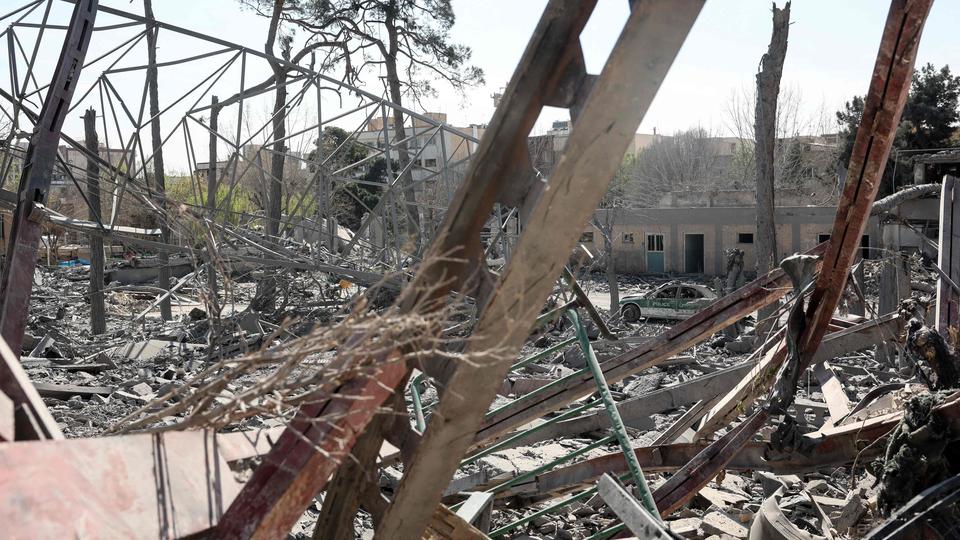
The Assad family ruled Syria for 54 years, and the regime’s collapse ended one of the Middle East’s longest-running dynasties. Since 2011, the Syrian conflict has killed hundreds of thousands and displaced millions, with around 5 million fleeing to neighbouring countries.
Syria’s central bank governor recently stated that the return of more than 1.5 million refugees has helped support early signs of economic recovery.
However, the UN humanitarian agency OCHA warns that needs remain massive, with 16.5 million Syrians expected to require humanitarian aid in 2025.
A New Beginning, but a Long Road Ahead
As Syria marks one year since Assad’s fall, the country stands at a crossroads. The shift in political leadership has opened the door for transformation, but deep-rooted sectarian divides, lingering insecurity and an immense reconstruction burden mean that a lasting peace remains far from guaranteed.
The anniversary may signal a new chapter, yet the path to true stability is still long and uncertain.
Source: News Agencies