
By: The Trek News Desk
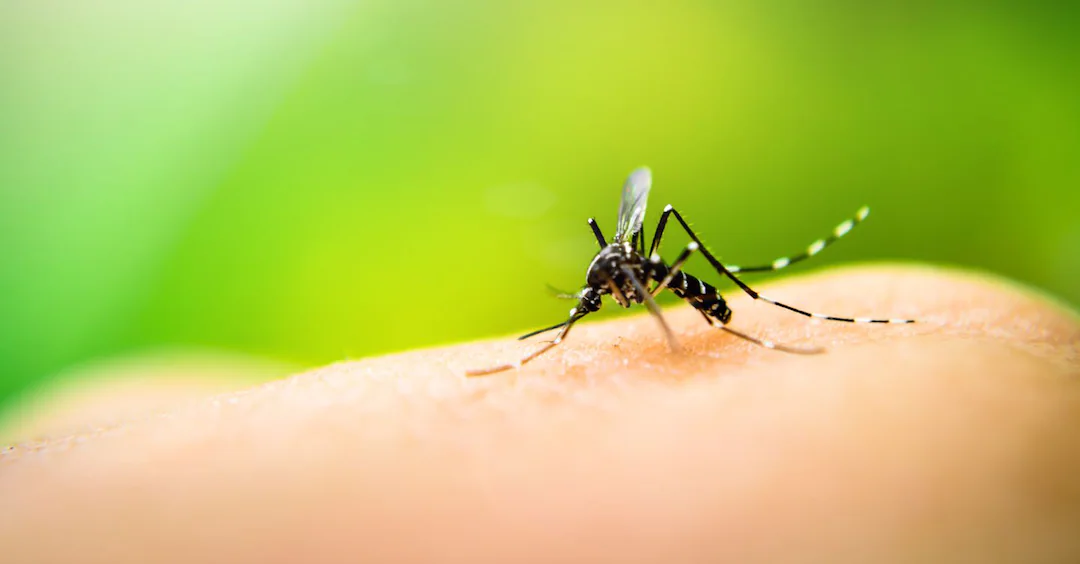
For the first time in recorded history, mosquitoes have been discovered in Iceland, a country long considered one of the last mosquito-free zones on Earth. The rare find follows an unprecedented spring heatwave, signalling possible shifts in the island’s fragile ecosystem due to climate change.
The Discovery That Shook a Mosquito-Free Land
Local insect enthusiast Bjorn Hjaltason made the unexpected discovery in Kjós, a glacial valley southwest of Reykjavik. While conducting a night-time insect observation experiment using wine-soaked ropes to attract moths, Hjaltason noticed what he described as an “unusual fly” on the ribbon.
Upon closer inspection over several nights, he captured two female and one male mosquito, which were later confirmed by the Icelandic Institute of Natural History as belonging to the Culiseta annulata species, a hardy mosquito known to survive cold winters. This species is commonly found across Europe and North Africa, but has never before been recorded in Iceland.
Sharing the images on a local wildlife Facebook group, Hjaltason wrote, “I knew instantly that I had stumbled upon something new… It feels like the last fortress has fallen.”
Iceland No Longer a Mosquito Haven
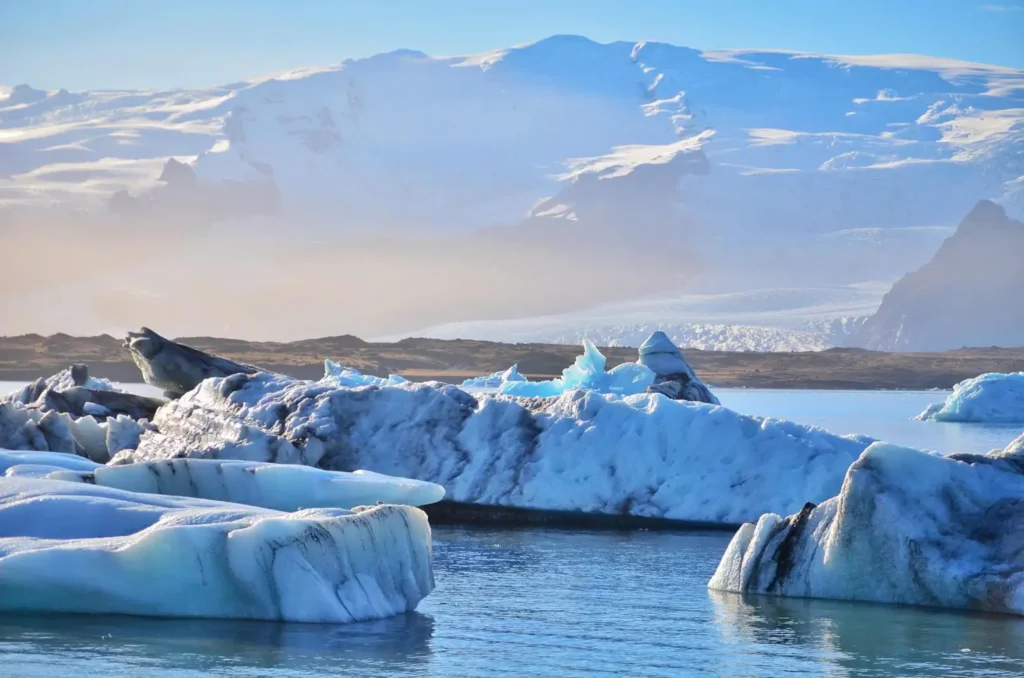
Until now, only Antarctica and Iceland were considered entirely free from mosquitoes, primarily due to their consistently cold temperatures and lack of stagnant water, ideal conditions for repelling mosquito breeding.
However, this year shattered those climatic norms. Iceland recorded its hottest May Day ever at 26.6°C (79.8°F) in Egilsstaðir. Typically, the country only sees temperatures above 20°C (68°F) for a couple of days, but this time, the heatwave lasted 10 consecutive days across various regions.
Scientific Confirmation & Possible Origins
After capturing the mosquitoes, Hjaltason sent the specimens to be examined by entomologist Matthías Alfreðsson, who verified the species and raised concerns about their appearance in such an unusual habitat.
While it remains unclear how the mosquitoes reached Iceland, Alfreðsson pointed to rising global temperatures and human transportation, including cargo ships and containers, as possible culprits.
Hjaltason echoed this theory, saying, “Grundartangi port is just 6 km from my house. With so much international shipping activity, it’s entirely possible these insects hitchhiked here. And if I found three in my backyard, there are likely more out there.”
A Sign of Climate Disruption
A study released by the Global Heat Health Information Network in June warned that warming trends in cold-adapted ecosystems could lead to significant ecological disruptions, especially in regions like Iceland, where native species are vulnerable to even minor temperature shifts.
The United Nations’ Intergovernmental Panel on Climate Change (IPCC) has also concluded that human activity has “unequivocally” contributed to the warming of the atmosphere, oceans, and land, further reinforcing concerns about how global climate shifts are enabling non-native species to spread into previously inhospitable zones.
What’s Next for Iceland’s Biodiversity?
Authorities and researchers plan to conduct further ecological monitoring during spring 2026 to determine whether Culiseta annulata has begun to establish a sustainable breeding population in Iceland.
If confirmed, this development could mark a turning point for cold-region biodiversity, forcing countries previously insulated from such threats to reassess their environmental policies and climate adaptation strategies.
Source: News Agencies