
By: The Trek News Desk
In a significant blow to President Donald Trump, the U.S. Supreme Court has invalidated his sweeping global tariff policy, ruling that it exceeded presidential authority. In a 6-3 decision, the court determined that the administration improperly relied on a 1977 national emergency statute to impose wide-ranging import duties.
The legal challenge was brought by a coalition of businesses and 12 U.S. states affected by the tariffs. The Supreme Court upheld a lower court’s finding that the administration stretched the scope of the International Emergency Economic Powers Act (IEEPA) beyond its intended limits.
Under the U.S. Constitution, the power to levy taxes and tariffs rests with Congress. However, the Trump administration invoked IEEPA to justify imposing tariffs on nearly all major trading partners without congressional approval. Historically, the law has been used to regulate commerce or impose sanctions during national emergencies, not to introduce broad tariff regimes.
Economic analysts estimate that more than $175 billion has already been collected under the contested tariffs. With the Supreme Court’s ruling, the federal government could be required to refund those sums. The Congressional Budget Office had projected that maintaining all existing tariffs could generate roughly $300 billion annually over the next decade.
President Trump had defended the tariffs as essential to safeguarding America’s economic interests, arguing that foreign nations had long taken advantage of the United States through unfair trade practices. He previously indicated that if the court ruled against him, his administration would prepare an alternative strategy.
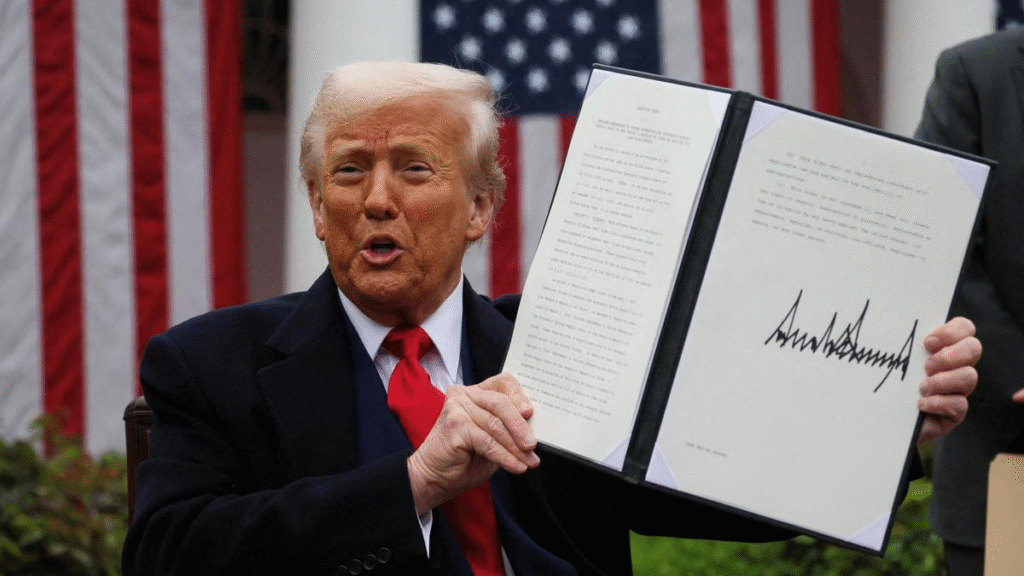
Treasury Secretary Scott Bessent and other officials have suggested that the government may rely on different statutory provisions to preserve parts of the tariff framework. These include laws permitting duties on imports deemed threats to national security and retaliatory measures against countries accused of unfair trade practices.
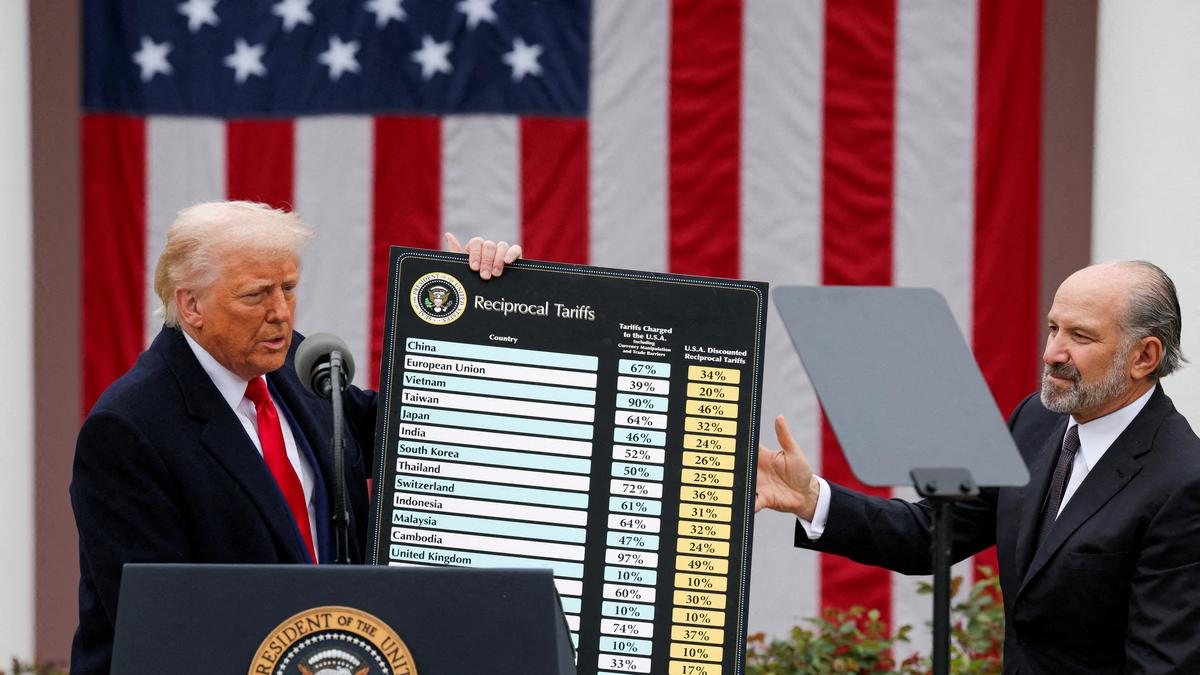
Tariffs have been central to Trump’s economic and foreign policy approach during his second term. The administration imposed duties on countries, including China, Canada, and Mexico. In April, the president announced what he termed “Liberation Day” tariffs, declaring trade deficits a national emergency and expanding import taxes globally.
These actions triggered heightened trade tensions and volatility in international markets. Analysts believe the Supreme Court’s ruling not only reinforces constitutional limits on executive power but also carries substantial implications for global trade dynamics.
For now, the administration is reviewing its legal options, while businesses and state governments that challenged the policy are hailing the decision as a major affirmation of the constitutional balance of powers in the United States.
Source: News Agencies