By: The Trek News Desk
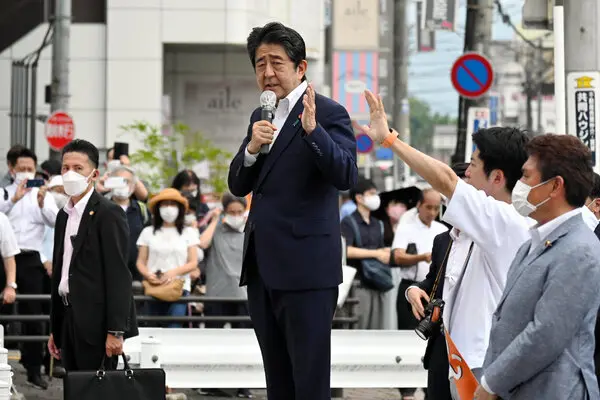
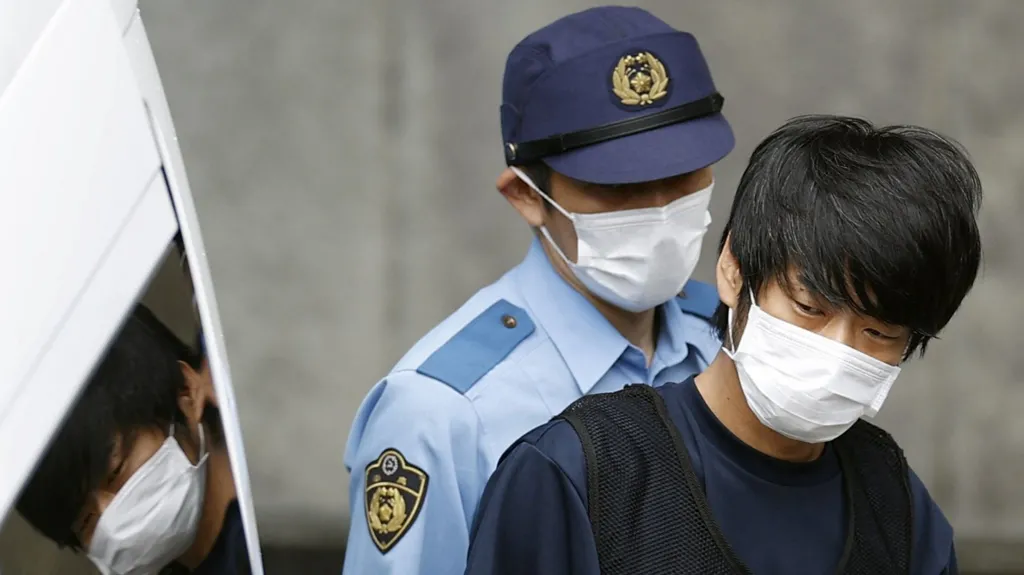
A Japanese court has sentenced Tetsuya Yamagami to life imprisonment for the assassination of former Prime Minister Shinzo Abe, bringing legal closure to one of Japan’s most shocking crimes in recent history. The verdict comes nearly three and a half years after Abe was fatally shot during an election campaign event in the city of Nara in 2022.
Yamagami, now 45, admitted his guilt at the very beginning of the trial last year. Despite his confession, the case sparked intense public debate across Japan over the severity of punishment he deserved. While many viewed him as a ruthless killer, others expressed sympathy, pointing to his troubled upbringing and personal hardships.
Prosecutors argued that the murder was an “exceptionally grave act” and demanded the harshest possible punishment under Japanese law. The defence, however, sought leniency, claiming that Yamagami was a victim of what they described as “religious exploitation.”
According to court proceedings, Yamagami’s mother was deeply involved with the Unification Church and donated a large portion of the family’s assets to the organisation, leaving the household financially devastated. This, the defence said, fuelled Yamagami’s resentment toward the church. His anger later extended to Shinzo Abe, whom he believed had connections with the controversial religious group.
During the trial, it was revealed that Yamagami had initially intended to target senior figures within the church rather than Abe himself. This revelation reportedly caused visible distress to Abe’s widow, Akie Abe, who was present in court. In an emotional statement, she said the pain of losing her husband would never fade and expressed her wish that he had simply remained alive.
On the day of sentencing, nearly 700 people gathered outside the Nara District Court, highlighting the public’s continued interest in the case. The assassination deeply shocked Japan, a country known for its strict gun laws and extremely low levels of firearm-related crime.
The killing also triggered nationwide scrutiny of the Unification Church. Investigations uncovered allegations that the organisation pressured followers into making excessive donations, causing financial and emotional harm. Last year, a Tokyo court revoked the church’s status as a recognised religious corporation.
Legal experts and social commentators say the Yamagami case underscores how unresolved social, familial, and economic issues can contribute to extreme acts of violence. However, many maintain that personal suffering cannot justify the killing of an innocent individual.
With the court’s ruling, one of Japan’s most high-profile criminal cases has reached its legal conclusion. Nevertheless, broader debates surrounding the intersection of religion, politics, and personal tragedy continue to resonate within Japanese society.
Source: News Agencies