
By: The Trek News Desk
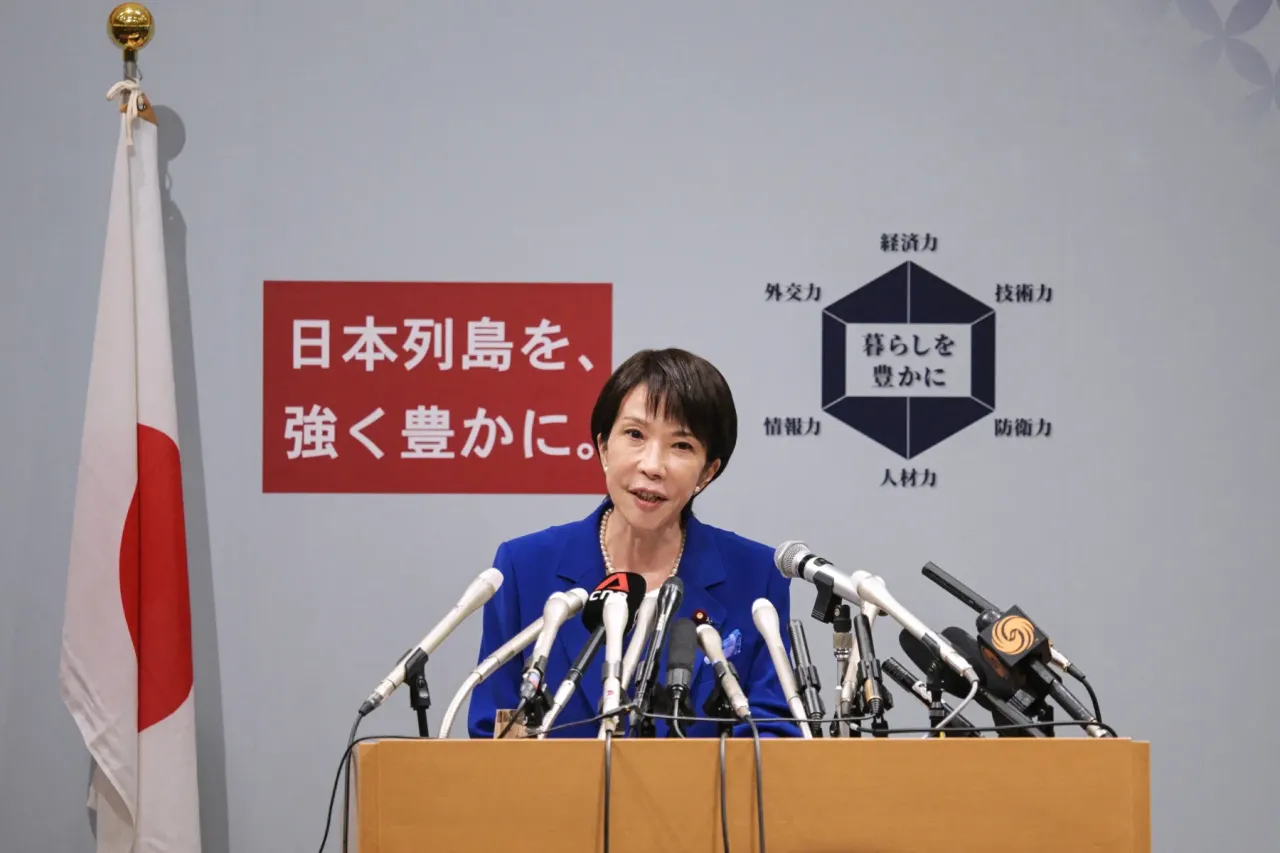
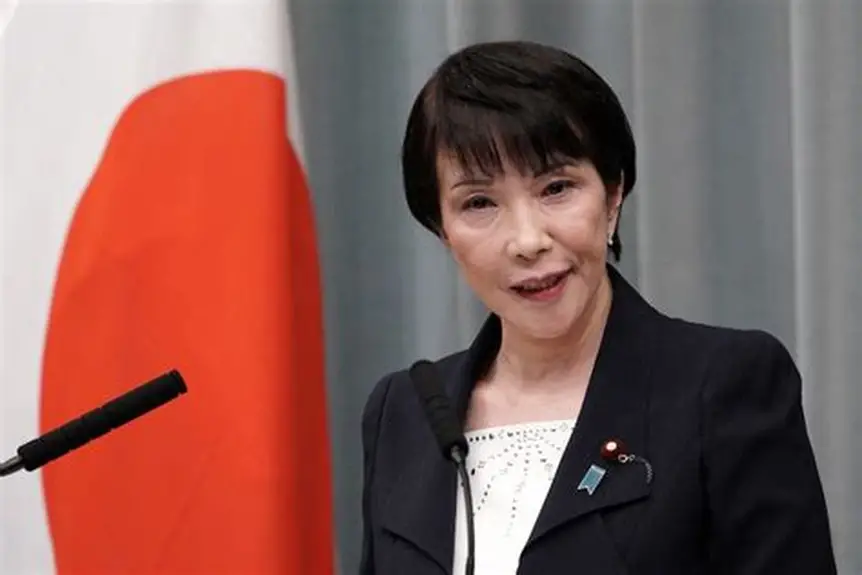
Japan stands at a political crossroads as the ruling Liberal Democratic Party (LDP) has elected Sanae Takaichi as its new leader, setting the stage for her to become the country’s first female prime minister in history.
In a closely watched party leadership vote held on Saturday, 64-year-old Takaichi edged out rival Shinjiro Koizumi in a run-off. Koizumi, son of former Prime Minister Junichiro Koizumi, would have become Japan’s youngest prime minister in over a century had he secured the win.
Parliament to Elect Prime Minister on October 15
Though Takaichi’s election marks a major shift in Japanese politics, it is not the final step. The next prime minister will be officially chosen by a parliamentary vote on October 15. Since the LDP remains the largest party in the National Diet, Takaichi is widely expected to assume the role.
However, the LDP’s grip on power has weakened. Following recent electoral setbacks, the party and its long-time ally Komeito no longer hold majorities in either chamber of parliament. To form a functional government, the coalition is likely to seek support from centrist opposition parties.
The internal LDP vote involved 295 lawmakers and approximately one million party members, less than 1% of Japan’s total population, raising questions about broader public representation in this leadership transition.
Takaichi Faces Tough Road Ahead
Should she assume the prime ministership, Takaichi will inherit a daunting list of national challenges. Japan is grappling with a shrinking and ageing population, a fragile economy, growing unease over immigration, and rising geopolitical tensions.
Throughout the leadership campaign, both Takaichi and Koizumi took a firm stance on immigration, an issue gaining traction among conservative voters. Takaichi advocated for a re-evaluation of policies that allow individuals from “vastly different cultural backgrounds” to settle in Japan. Koizumi echoed similar sentiments, linking illegal employment and perceived declines in public safety to foreign populations.
Such rhetoric, while rare in Japan’s political mainstream, reflects a growing shift in the national discourse, especially as populist parties like Sanseito gain momentum.
Mixed Reactions to Japan’s First Potential Woman Leader
While Takaichi’s potential ascension is being hailed as a historic breakthrough for female representation in Japanese politics, experts urge caution. According to Professor Yuki Tsuji of Tokai University, Takaichi has shown little interest in women’s rights or gender equality issues during her career.
In contrast, Koizumi, known for his modern image he famously took paternity leave and is often seen surfing, was seen as a fresh face, though critics questioned his depth and policy experience.
Diplomatic Test Looms on the Horizon
Whoever takes over Japan’s top political office will face an immediate diplomatic challenge: a potential summit with U.S. President Donald Trump in late October. Trump is expected to push Japan to increase its defence spending during the upcoming Asia-Pacific Economic Cooperation (APEC) summit in South Korea.
Takaichi’s victory within the LDP is undoubtedly historic. Yet the road ahead is anything but smooth. She must not only stabilize a fractured party but also navigate a complex web of domestic and international pressures. As Japan looks toward a new era of leadership, the big question remains: Can a traditional conservative voice lead the country through modern challenges?
Source: News Agencies