By: The Trek News Desk
The death toll from last week’s catastrophic floods in Indonesia has risen to more than 500, with search-and-rescue teams still struggling to reach remote regions cut off by the disaster. Authorities say the floods were triggered by a rare cyclone that formed over the Strait of Malacca, unleashing torrential rain across three provinces and affecting over 1.4 million people.
Officials report that around 500 individuals remain unaccounted for, while thousands have suffered injuries. In several areas, roads have become so severely damaged that only motorcycles or foot travel is possible, slowing critical relief operations.
Worst Impact in Aceh, North Sumatra, and West Sumatra
The provinces of Aceh, North Sumatra, and West Sumatra have borne the brunt of the devastation. Communication links in many communities have collapsed entirely, leaving thousands disconnected from the outside world.
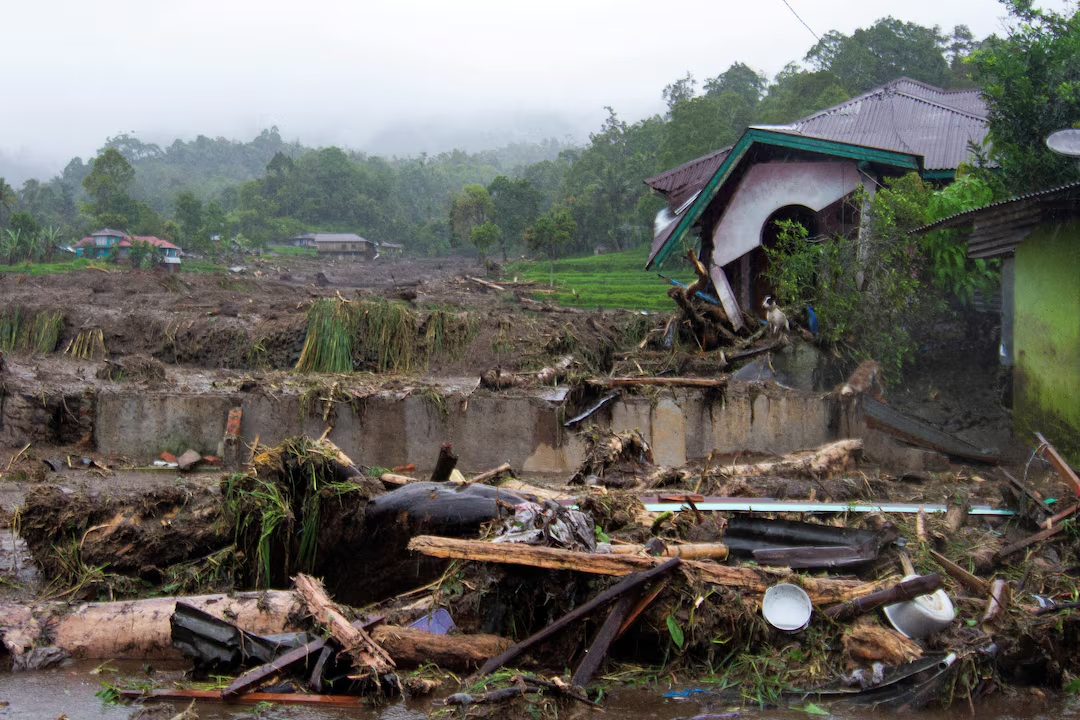
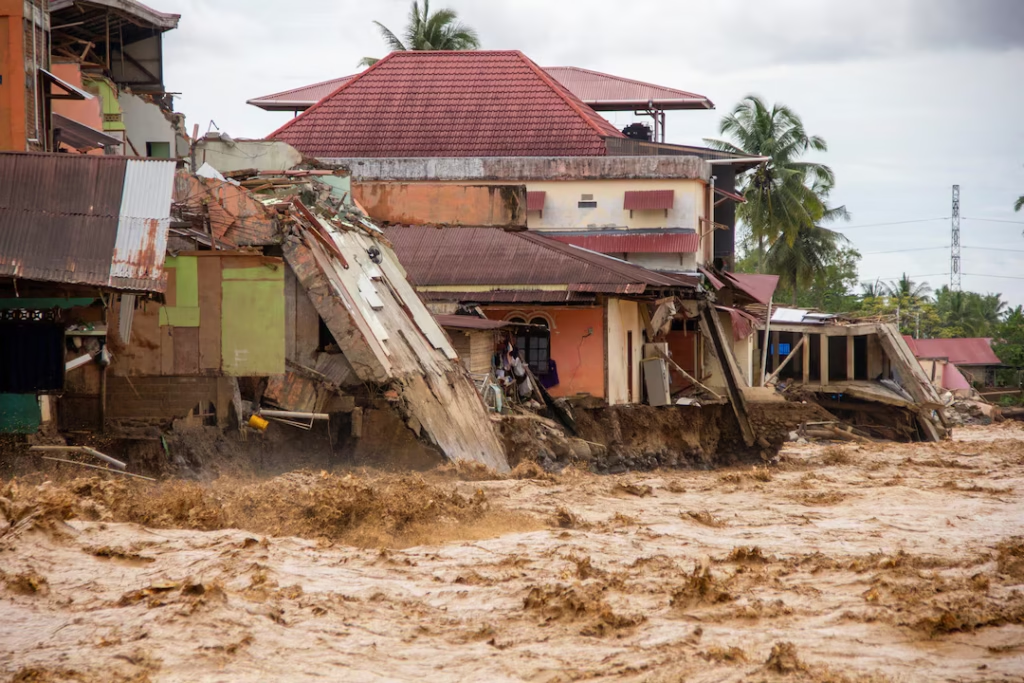
Images emerging from the region show collapsed bridges, mud-covered roads, and vast piles of debris and logs. Near West Sumatra’s well-known Twin Bridges landmark, heavy excavators have been clearing massive layers of mud.
Food Shortages, No Water, and Long Walks for Internet Access
Across multiple districts, people have reported going two to three days without food. In Central Tapanuli, one of the worst-hit regions in North Sumatra, residents say relief teams are unable to reach them due to blocked access routes.
Clean water is scarce, and locals are walking several kilometres to find areas with a functioning internet signal. In Central Aceh, authorities deployed Starlink devices to restore limited connectivity, prompting thousands to gather outside government offices to charge phones or contact their relatives.
Public Anger Rises Over Delays and Disaster Preparedness
As rescue operations continue, frustration with the government’s disaster response is increasing. Critics argue that authorities were poorly prepared and that bureaucratic delays slowed the delivery of food and emergency supplies.
During his visit to North Sumatra on Monday, President Prabowo Subianto acknowledged that many roads remained flooded or damaged but emphasised that the government was “doing everything possible” to overcome the crisis.
“We face this disaster with resilience and unity,” he said. “Our nation is strong and capable of enduring this challenge.”
Climate Change Intensifying Extreme Weather
Indonesia’s monsoon season, which runs from November to March, regularly brings heavy rainfall. However, climate scientists warn that global warming is fuelling more frequent and more intense storms, increasing the likelihood of extreme rainfall, flash floods, and destructive winds.
Source: News Agencies