

By: The Trek News Desk
The Indian Air Force (IAF) has confirmed the destruction of four to five Pakistani fighter jets, most likely F-16s, during its Operation Sindoor launched in May this year. This marks the first time the IAF has provided specifics on the type of aircraft destroyed during the operation.
Operation Sindoor, a major cross-border retaliation, was initiated by India in response to a terrorist attack in Pahalgam on April 22, 2025. The airstrikes were conducted on the night of May 6-7 and targeted critical Pakistani military infrastructure, including airfields, radar systems, command centres, and fighter aircraft. The strikes were described as the most significant cross-border action since the 2019 Balakot airstrikes and the 2016 Uri surgical strikes.
Air Chief Marshal A P Singh, speaking at the 93rd Air Force Day celebrations, revealed detailed information about Pakistan’s losses during the operation. He confirmed the destruction of several key military assets, including four to five fighter jets, most likely F-16s, which were stationed on the ground at the time of the attack. He also mentioned that the IAF had hit multiple airfields, radars, command and control centres, and hangars across Pakistan, effectively crippling their military air infrastructure.
Singh’s remarks marked the first official acknowledgement by the Indian Air Force of the specific aircraft types involved in the operation. Before this, the IAF had only confirmed the destruction of “at least five fighters and one large aircraft” without specifying the make or model.
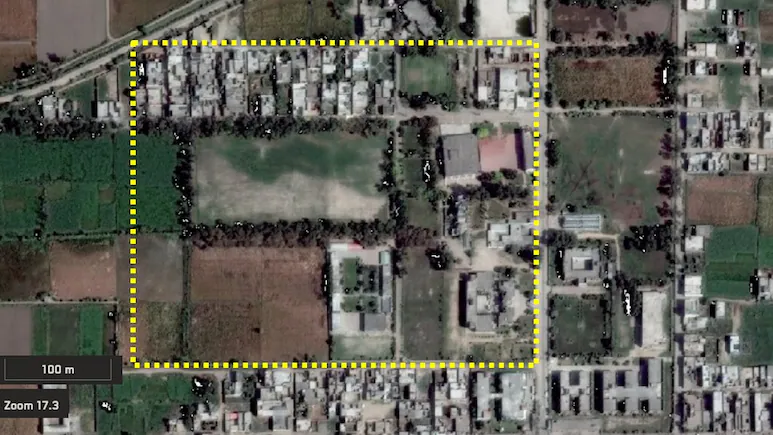
The F-16s, considered to be Pakistan’s most advanced fighter jets, were reportedly on the ground for maintenance during the strikes.
“We struck a large number of their airfields and installations, including radars at four locations and command and control centres at two places,” said Air Chief Marshal Singh. “In addition, we damaged runways, hangars, and even a C-130-class aircraft, alongside several fighter jets, most likely F-16s.”
The operation also saw the destruction of a Surface-to-Air Missile (SAM) system and a long-range strike involving a high-tech aircraft. Singh confirmed that the IAF’s intelligence also showed the destruction of multiple advanced fighter jets, which included both F-16s and JF-17s, across various locations.
Although Singh did not provide any specific details about the losses on the Indian side, previous statements from senior Indian officials had acknowledged that the IAF had indeed lost aircraft during the operation. However, the Indian government has yet to confirm the exact number of aircraft lost.
General Anil Chauhan, Chief of Defence Staff (CDS), had previously admitted to some losses in the operation, but emphasised that the IAF achieved all of its objectives, and that all pilots returned safely. Other military officials had also highlighted the tactical adjustments made during the operation, particularly after initial setbacks involving the loss of aircraft.
India’s Defence Minister, Rajnath Singh, addressed the issue in a session of the Lok Sabha, focusing on the broader strategic success of Operation Sindoor. “Was the operation successful? Yes. Did we achieve our goals? Yes. Were the terror masters destroyed? Yes. Did our soldiers face any losses? No. Focus on the bigger picture,” Singh stated, underscoring the strategic importance of the mission.
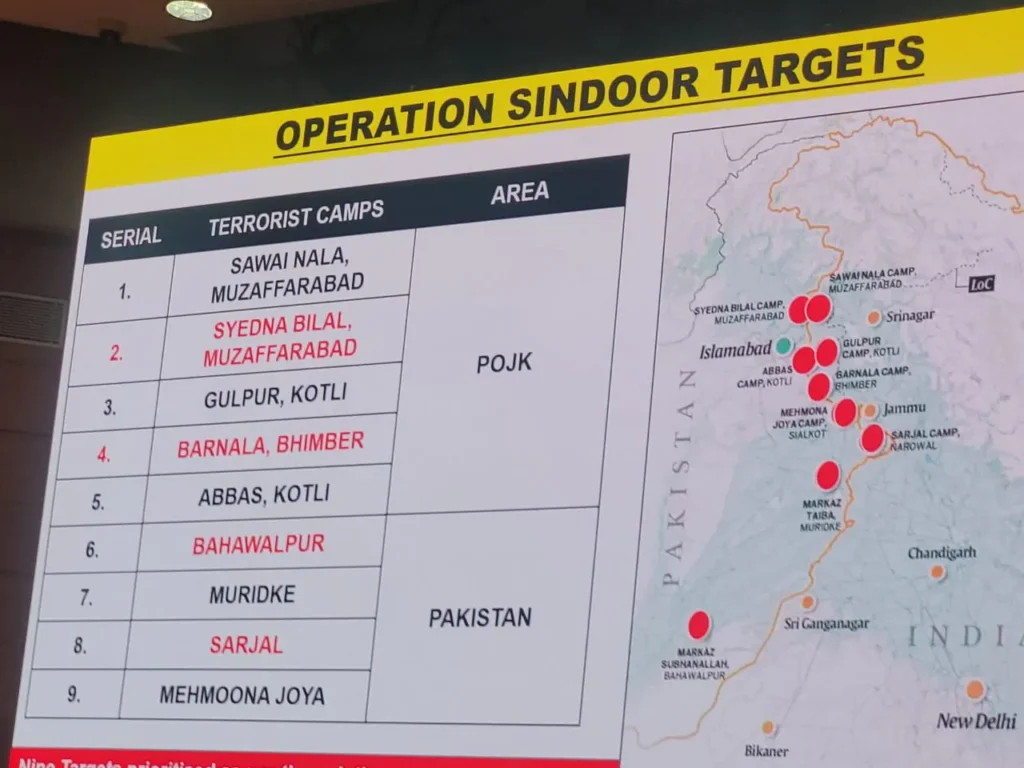
This confirmation of F-16s being among the destroyed aircraft in the operation serves as a significant development in the ongoing military dynamics between India and Pakistan. It also sheds light on the scale and impact of the IAF’s retaliation, which appears to have struck a major blow to Pakistan’s military capabilities.
As tensions between the two countries continue to simmer, this development further underscores the evolving nature of air combat and the growing significance of technological advancements in modern warfare.
Source: News Agencies