
By: The Trek News Desk
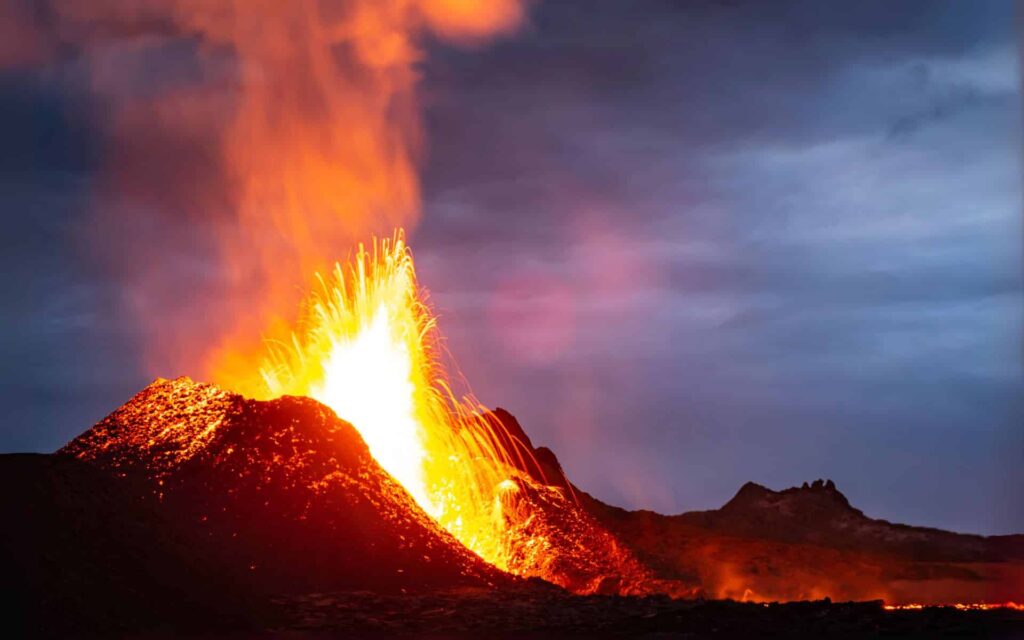
Following the eruption of Ethiopia’s Hayli Gubbi volcano, large clouds of volcanic ash have begun drifting across multiple countries. In response, India’s aviation regulator, the Directorate General of Civil Aviation (DGCA), has issued an urgent operational advisory directing all Indian airlines to avoid ash-affected regions and flight levels.
The regulator warned that volcanic ash poses a serious threat to aircraft systems, particularly engines, and emphasised the need for utmost caution when operating in the affected airspace.
Ash Clouds Spread Toward India
According to early assessments, the Hayli Gubbi volcano, active again after nearly 10,000 years, released ash plumes rising to 14 km into the atmosphere.
These clouds have since been drifting toward Yemen, Oman, Pakistan, and eventually India.
By Monday evening, a layer of ash had reportedly entered India via Rajasthan, with forecasts suggesting movement toward the northern, eastern, and northeastern parts of the country.
Flights Impacted: One IndiGo Service Diverted
The ash-contaminated airspace over parts of West Asia forced some flights to alter routes.
An IndiGo flight operating between Kannur and Abu Dhabi was diverted to Ahmedabad, while a few other services saw delays and cancellations as a precautionary measure.
Why Volcanic Ash Is Dangerous for Aircraft
DGCA highlighted the severe hazards associated with volcanic ash:
- The ash contains highly abrasive particles capable of damaging engine blades.
- Such damage can lead to engine failure mid-air.
- The particles can also erode aircraft exteriors, disrupt sensors, and interfere with cockpit instruments.
Detailed Instructions Issued to Airlines
In its advisory, DGCA directed airlines to:
- Revise flight routes, planning, and fuel calculations based on ash movement.
- Report any suspected encounter with ash immediately, especially signs like engine irregularities or smoke/odour inside the cabin.
- Conduct post-flight engine and airframe inspections for aircraft operating near impacted areas.
- Pause or limit airport operations if ash accumulation worsens conditions.
Constant Monitoring of Weather & Satellite Data
Flight dispatch teams have been instructed to keep a continuous watch on:
- Global volcanic ash advisories
- Satellite imagery
- Meteorological updates
- Forecasts tracking ash dispersion
If an airport experiences ash fallout, DGCA has mandated immediate inspection and cleaning of runways, taxiways, and apron areas before allowing normal operations to resume.
Source: News Agencies