
By: The Trek News Desk
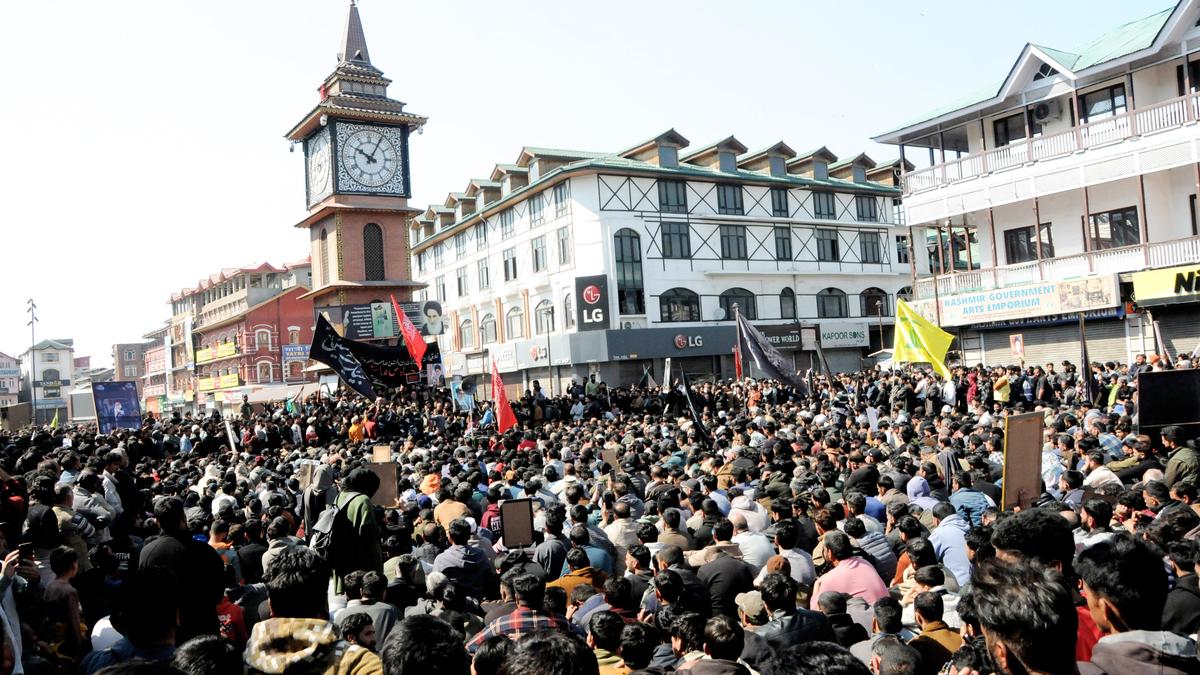
Delhi’s air has turned toxic once again. On Sunday, amid dense smog and hazardous air quality, hundreds of residents, parents, and environmental activists gathered at India Gate, demanding immediate government intervention to tackle the capital’s escalating pollution crisis. Police later detained several demonstrators, citing the Supreme Court’s directive that only Jantar Mantar is authorised for public protests.
Concern for Children’s Health Sparks Public Outcry
The protest was led by concerned parents and environmentalists alarmed by the growing health risks posed by Delhi’s foul air. Environmental activist Bhavreen Khandari voiced deep concern, stating, “Every third child in Delhi has suffered lung damage and may live nearly a decade less than children breathing cleaner air.” Protesters also requested a meeting with the Delhi Chief Minister to discuss urgent pollution control measures.
Delhi’s Air Quality Plummets to ‘Severe’ Levels
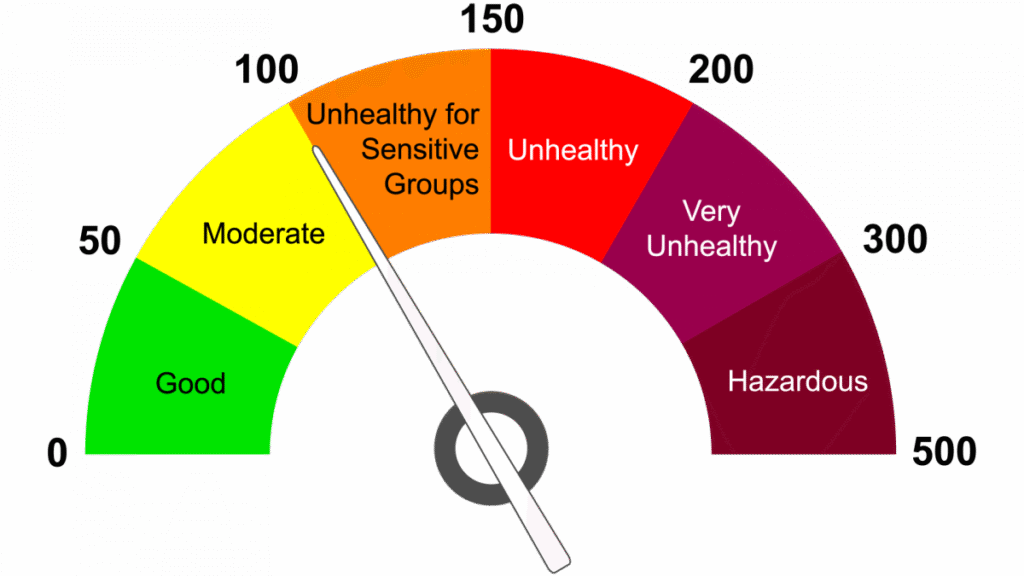
On the morning of the protest, the Air Quality Index (AQI) stood at 392, with several locations, including Lodhi Road, Akshardham, and India Gate, crossing the 400 mark, placing Delhi firmly in the ‘Severe’ pollution category. Visibility dropped drastically as thick layers of toxic smog blanketed the city.
Multiple Protests Add to Chaos
Adding to the day’s tension, a separate group was protesting against a Supreme Court order on relocating stray dogs from schools and offices, leading to larger crowds at India Gate. Police intervened to disperse the gatherings, citing security and law-and-order concerns.
Political Reactions Intensify
The Aam Aadmi Party (AAP) extended its support to the protesters while targeting the BJP-led central government. Party spokesperson Priyanka Kakkar accused authorities of manipulating pollution data and downplaying the crisis.
Delhi AAP chief Saurabh Bharadwaj clarified that the protest was non-political, involving educated citizens and civil society groups. “People no longer trust official figures,” he said, “which is why they’ve taken to the streets.”
Outlook: Situation May Worsen Further
According to the Central Pollution Control Board (CPCB), Delhi’s air quality is expected to remain in the ‘Very Poor’ to ‘Severe’ range over the coming days. If conditions deteriorate, the government may invoke Stage 3 of the Graded Response Action Plan (GRAP), which includes strict restrictions on construction, industrial operations, and vehicle movement.
Meanwhile, authorities continue to emphasise measures such as promoting clean fuel under the Ujjwala Yojana and intensifying dust-control drives across the capital. However, citizens argue that real change will require decisive, sustained action, not just official announcements.
Source: News Agencies