
By: The Trek News Desk
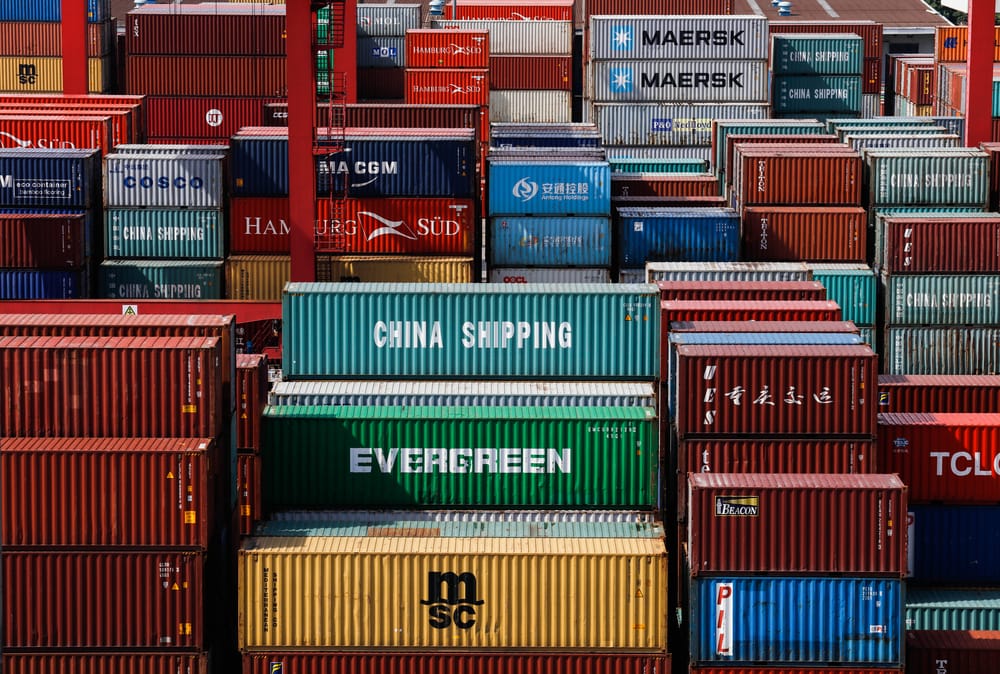
China’s export sector posted a stronger-than-expected performance in November, buoyed by a surge in demand from non-US markets. With President Donald Trump’s steep tariffs restricting Chinese access to the American market, exporters have increasingly turned toward Southeast Asia, the European Union and Australia, a strategy that appears to be paying off.
Exports Jump 5.9%, Doubling Market Expectations
According to customs data released Monday, China’s exports grew 5.9% year-on-year in November, a sharp rebound from October’s 1.1% decline and well above the 3.8% growth forecast. Imports, meanwhile, rose only 1.9%, missing economists’ expectations of a 3% increase.
Zichun Huang, China economist at Capital Economics, noted that the U.S.-China tariff truce did little to boost shipments to the U.S., “but overall export momentum has recovered sharply. China is likely to continue expanding its global market share next year.”
U.S.-Bound Exports Plunge 29%, but EU and Australia Deliver Strong Gains
Despite the broader recovery, China’s exports to the United States fell 29% in November, reflecting the continued impact of U.S. tariffs, which now average 47.5% on Chinese goods.
Yet other major markets recorded impressive growth:
- European Union: +14.8%
- Australia: +35.8%
- Southeast Asia: +8.2%
These gains pushed China’s monthly trade surplus to $111.68 billion, its highest since June and well above October’s $90.07 billion.
For the first time on record, China’s 11-month trade surplus exceeded $1 trillion.
Electronics and Semiconductors Drive the Surge
With global shortages of low-grade chips and other components driving prices upward, Chinese manufacturers have benefited significantly. Companies expanding their operations abroad are also importing large quantities of machinery and electronic inputs from China itself, further boosting outbound shipments.
Yuan Firms Ahead of Key Policy Meetings
The unexpected jump in exports strengthened the Chinese yuan on Monday. Traders are now watching for signals from two major political and economic gatherings:
- Politburo Meeting: Expected to introduce measures to lift domestic demand
- Central Economic Work Conference: Will outline China’s economic goals and policy priorities for 2026
Economists estimate that the loss of U.S. market access under Trump has reduced China’s export growth by around two percentage points, translating to a 0.3% drag on GDP.
Weak Domestic Demand and Strain on Factories
While new export orders showed slight improvement in November, they remained in contraction territory, highlighting ongoing uncertainty for manufacturers.
China’s factory output shrank for the eighth straight month, signalling persistent pressure on the industrial sector.
Signs of fragile domestic demand include:
- Rare earth mineral exports: Up 26.5% in November
- Soybean imports: Set for a record year, with heavy buying from the U.S. and Latin America
- Unwrought copper imports: Declined, reflecting weakness in construction and manufacturing
Despite Trade War Pressures, China Maintains Global Export Strength
Even with punitive U.S. tariffs squeezing Chinese exporters, Beijing has diversified its trade routes, built new production hubs abroad and deepened economic ties with fast-growing regions.
China’s export engine remains resilient, and its influence across global markets continues to expand.
Source: News Agencies