
By: The Trek News Desk
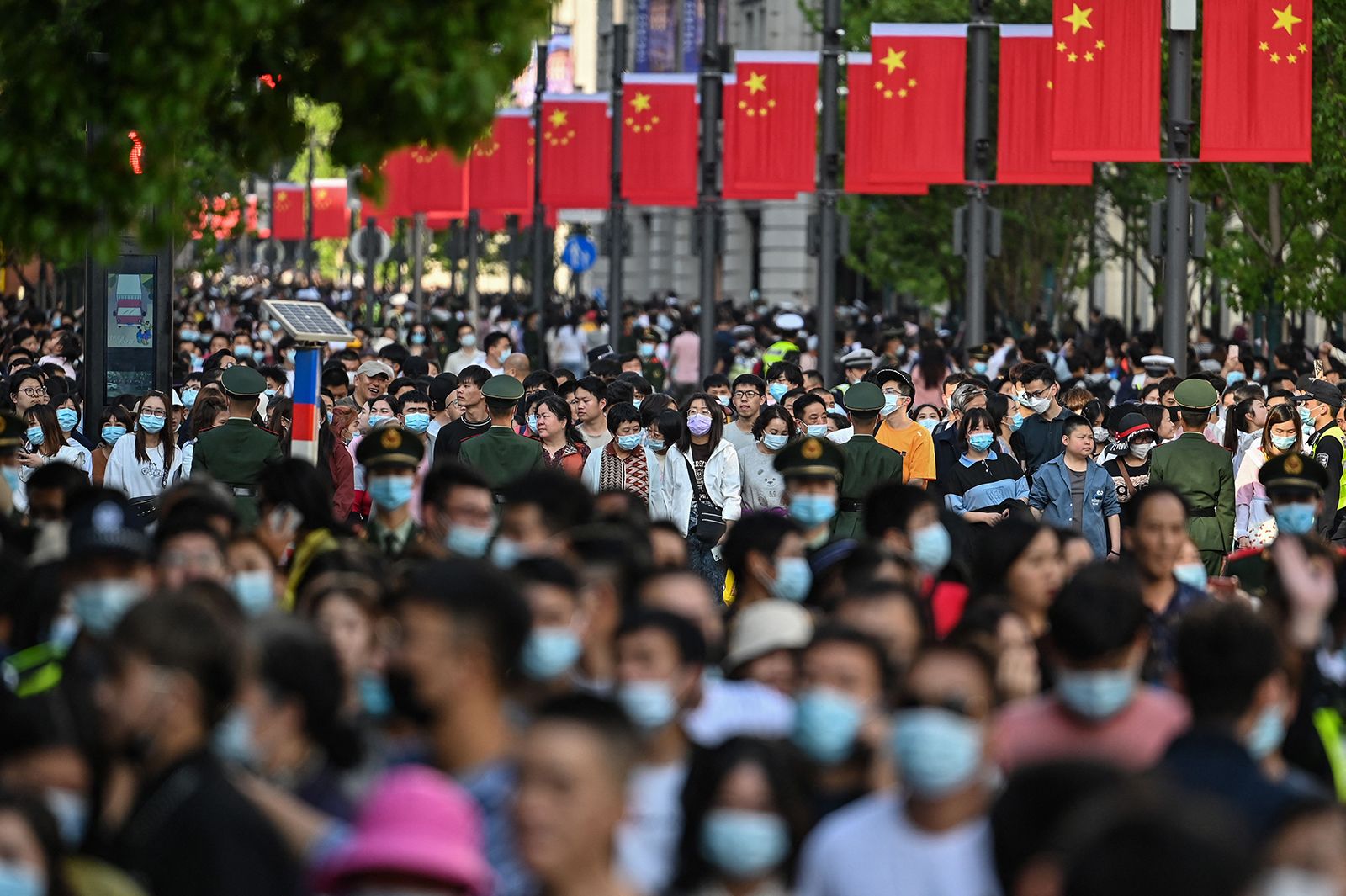
China’s demographic crisis deepened in 2025 as the country recorded its lowest-ever birth rate, despite multiple government initiatives aimed at encouraging families to have more children. Official data shows that China’s population declined for the fourth straight year, highlighting mounting social and economic challenges for the world’s second-largest economy.
Figures released by the government on Monday revealed that the birth rate dropped to 5.63 births per 1,000 people in 2025, the lowest level since 1949. During the same period, the death rate rose to 8.04 per 1,000 people, the highest recorded since 1968.
As a result, China’s total population fell by around 3.39 million, bringing the overall number down to approximately 1.4 billion by the end of 2025. The pace of population decline was faster than in the previous year, signalling a worsening demographic trend.
Facing an ageing society and slowing economic growth, Beijing has been making sustained efforts to persuade young people to marry and start families. In 2016, China ended its decades-long one-child policy and allowed couples to have two children. When birth numbers failed to recover, the policy was further relaxed in 2021 to permit up to three children per couple.
More recently, authorities have introduced financial incentives, including a subsidy of 3,600 yuan for each child under the age of three. Several provinces have gone further by offering additional cash benefits and extending maternity leave to ease the burden on parents.
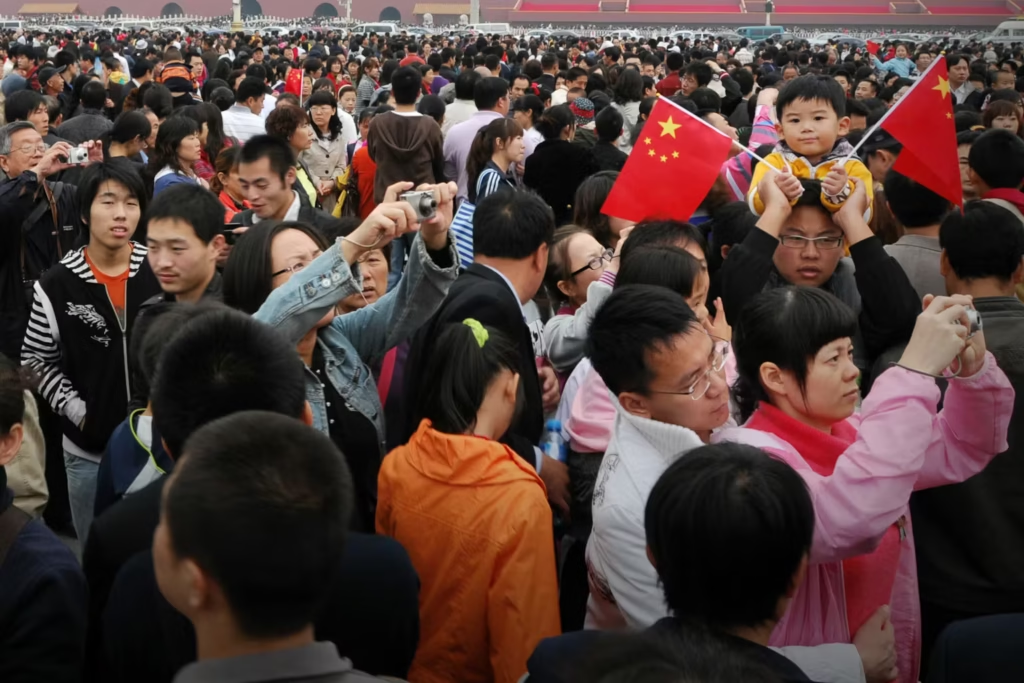
Despite these measures, China continues to have one of the lowest fertility rates globally, with an average of around one birth per woman, far below the replacement level of 2.1. Similar demographic patterns can be seen in other East Asian economies such as South Korea, Singapore, and Taiwan.
According to a 2024 study, China is among the most expensive countries in the world to raise a child. Many young adults cite high living costs, education expenses, and childcare pressures as major deterrents. Others say they prefer a more independent lifestyle without the long-term responsibilities of parenthood.
United Nations experts project that China’s population will continue to decline in the coming decades and could fall to less than half of its current size by the year 2100.
The shrinking population is already having far-reaching consequences. A declining workforce, weak consumer demand, and a rapidly growing elderly population are creating serious economic and social pressures. With younger generations increasingly moving away from their hometowns, many senior citizens are being left to rely on state support, further straining public resources.
Analysts warn that unless structural reforms are implemented quickly, China may face increasing difficulty in sustaining economic growth while caring for its ageing population.
Source: News Agencies