By: The Trek News Desk
Delegations from Afghanistan and Pakistan are set to meet in Istanbul on Saturday in a renewed effort to stabilise their shared border and secure a lasting ceasefire after two weeks of deadly cross-border clashes that left dozens of soldiers and civilians dead.
Clashes That Sparked the Crisis
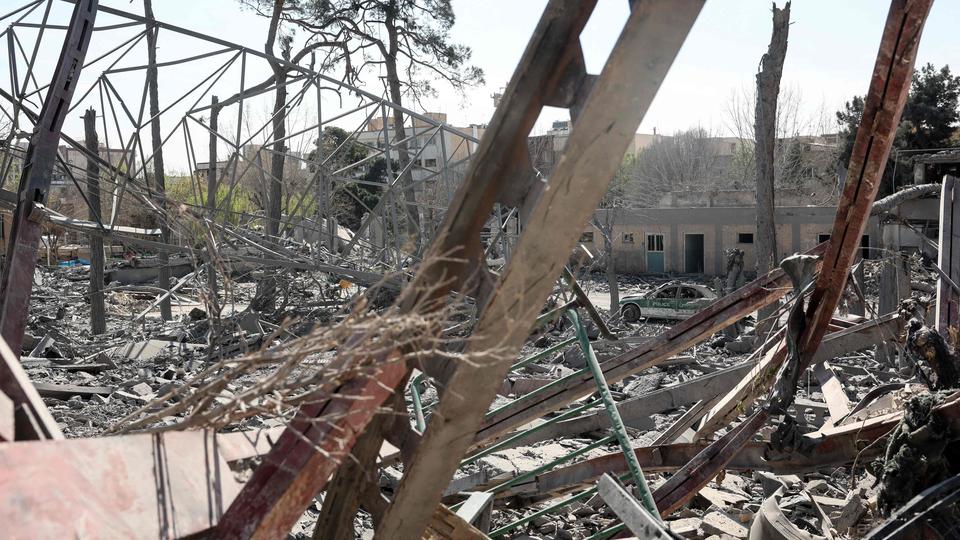
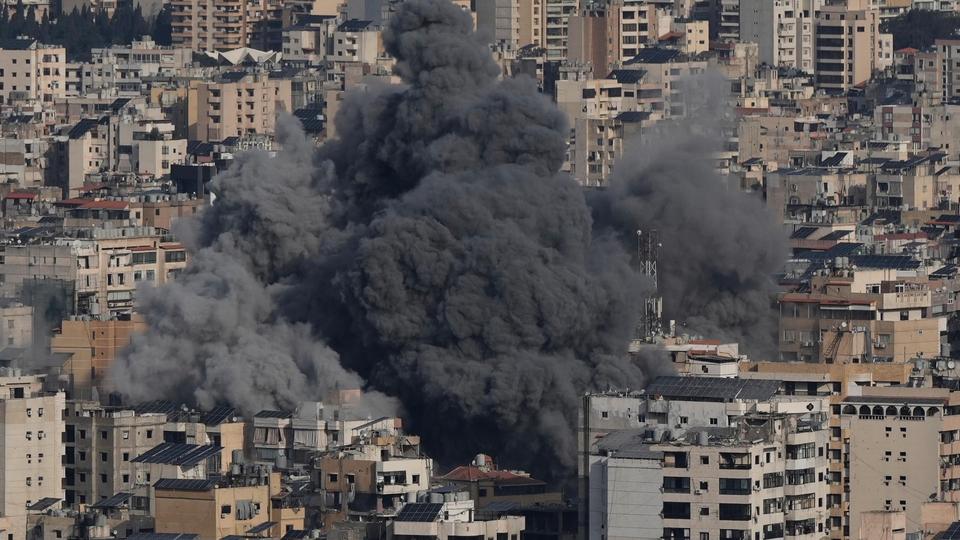
The recent escalation began two weeks ago when a series of explosions rocked Kabul. The Taliban government blamed Islamabad for the attacks and launched retaliatory strikes along the frontier.
In response, Pakistan confirmed it carried out “precision airstrikes” targeting armed groups inside Afghan territory, claiming they posed a serious threat to Pakistan’s national security.
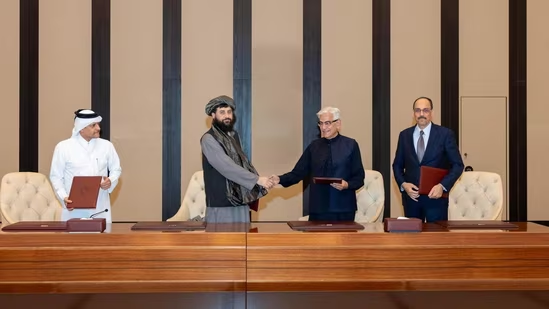
After days of heavy fighting, both countries announced a 48-hour truce, which collapsed within two days, with Kabul accusing Islamabad of violating the terms. A second, tentative ceasefire was later brokered in Doha through Qatari and Turkish mediation, which continues to hold for now, though the details remain undisclosed.
Focus of the Istanbul Meeting: Building a Mechanism for Peace
Saturday’s talks in Istanbul are expected to finalise the “security mechanisms” outlined during the Doha discussions, aimed at preventing further border escalations.
The Afghan delegation, led by Deputy Interior Minister Haji Najib, departed for Turkey on Friday. Pakistan has yet to disclose the names of its representatives.
For Kabul, the primary goal is to preserve Afghanistan’s territorial integrity. For Islamabad, the key issue remains what it calls “terrorist threats emanating from Afghan soil,” as Foreign Ministry spokesperson Tahir Hussain Andrabi reiterated on Friday.
Deep-Rooted Distrust Drives Security Disputes
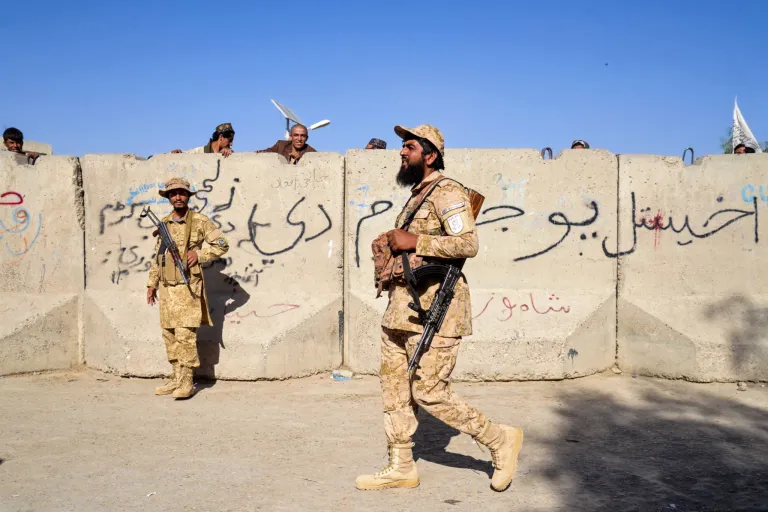
Pakistan has long accused the Taliban government of sheltering members of the Tehrik-i-Taliban Pakistan (TTP), the group blamed for numerous attacks within Pakistan. Kabul has consistently denied these allegations.
According to Ibraheem Bahiss, an analyst with the International Crisis Group,
“The Istanbul meeting is crucial because it could define the technical framework for future cooperation between the two neighbours.”
Bahiss suggested that both sides may discuss intelligence-sharing arrangements.
“For instance, if Pakistan identifies suspected TTP positions inside Afghanistan, it could share the coordinates with Kabul, expecting the Taliban to take action instead of launching airstrikes,” he explained.
Still, he cautioned that procedural mechanisms alone may not resolve the deeper mistrust fueling these recurrent clashes.
Tensions Rose During Taliban Minister’s India Visit
Interestingly, the Kabul explosions that triggered this chain of events occurred while the Taliban’s foreign minister was on a historic visit to India, the first of its kind. Analysts believe this coincidence may have further complicated the already fragile Afghanistan-Pakistan relationship.
Turkey and Qatar Continue Mediation Efforts
While Turkey has not officially confirmed the time or venue of Saturday’s talks, Ankara welcomed the Doha agreement and reaffirmed its commitment to supporting “efforts that promote peace and stability in the region.”
Source: News Agencies