By: The Trek News Desk
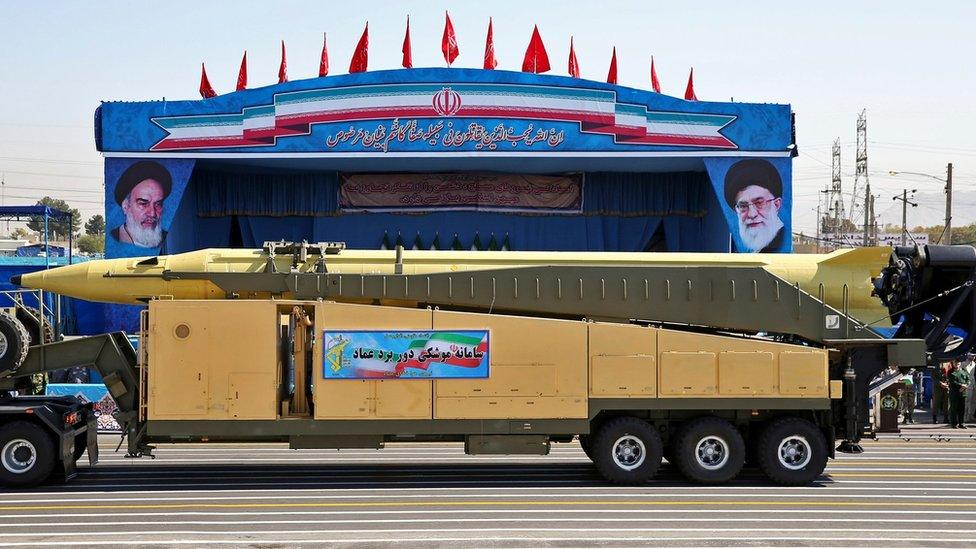
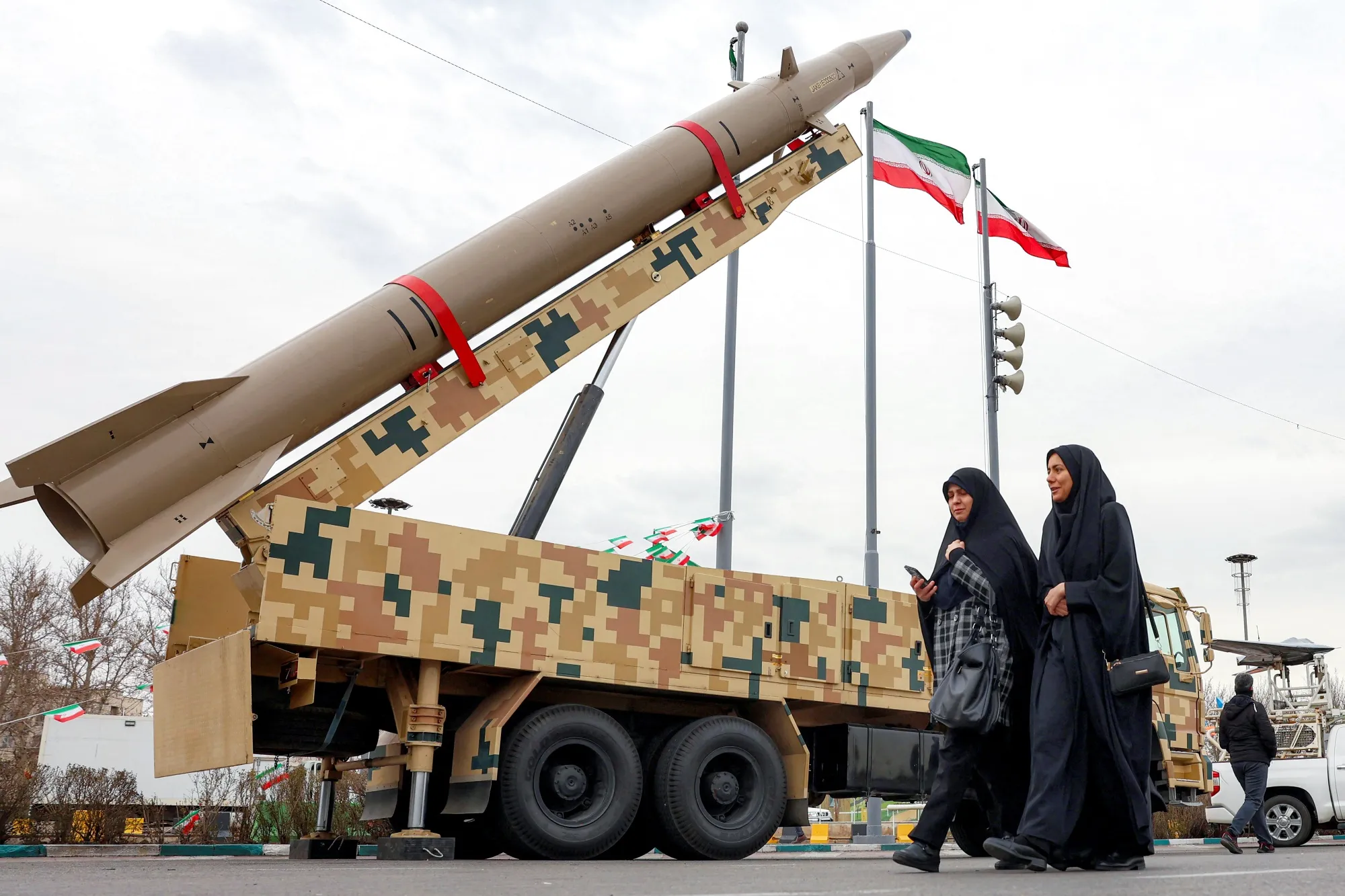
Tensions across West Asia intensified on Monday as Iran launched a fresh wave of missile and drone attacks, signalling a sharp escalation in the ongoing conflict. The strikes come in direct response to a stern warning issued by U.S. President Donald Trump, who demanded that Tehran reopen the strategically crucial Strait of Hormuz.
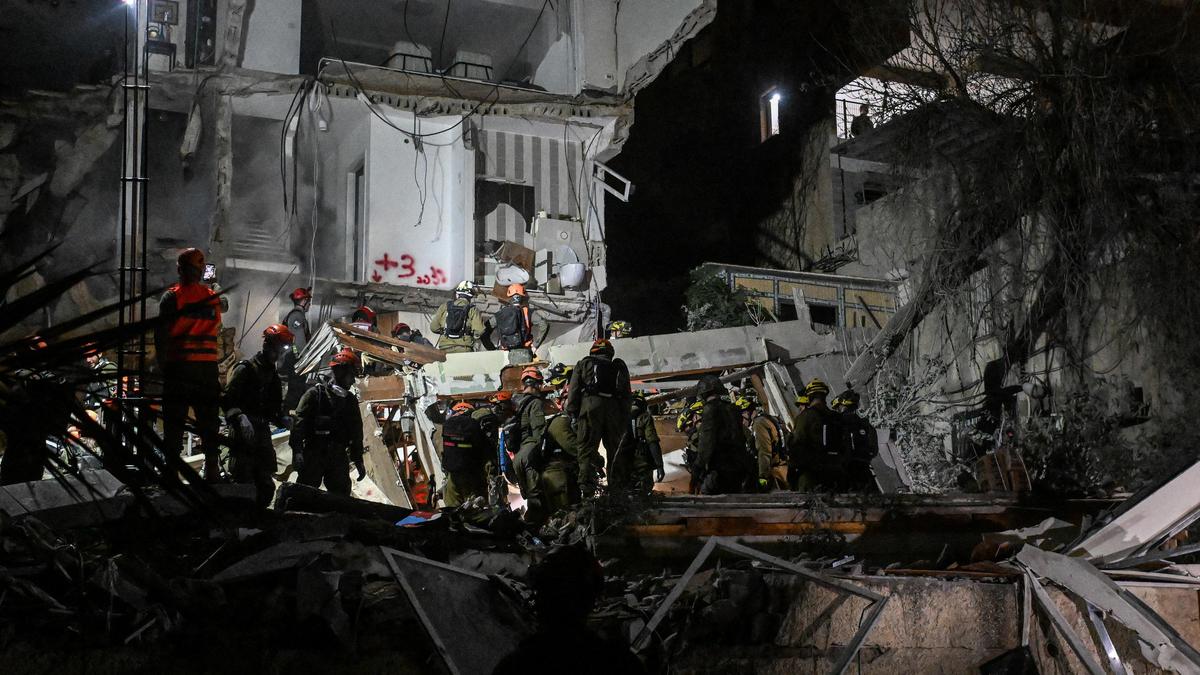
Authorities in Israel, Kuwait, and the United Arab Emirates confirmed incoming missile and drone threats within their territories. Following the attacks, regional security forces were placed on high alert amid fears of further escalation.
Iran’s military leadership warned that any strikes on its civilian infrastructure would be met with an even “more devastating” response, raising concerns of a broader regional conflict.
President Trump reiterated his warning on Sunday, stating that failure to reopen the Strait of Hormuz would result in severe consequences for Iran. He also set a deadline of Tuesday, 8:00 PM, signalling a potential turning point in the standoff.
The geopolitical crisis has already impacted global markets. Crude oil prices surged in early Asian trading, with both WTI and Brent crude recording noticeable gains due to fears of supply disruption in the Gulf region.
What began on February 28 has now evolved into a wider regional confrontation. Iranian missile strikes have targeted key infrastructure in Israel and Gulf nations, further destabilising the area.
Meanwhile, Russia criticised the United States’ aggressive rhetoric and urged all parties to return to diplomatic negotiations.
The conflict has also spilt into Lebanon, where clashes between Hezbollah and Israeli forces have intensified. United Nations peacekeeping forces have expressed serious concern, warning that continued hostilities could trigger wider retaliation.
Amid the rising tensions, Pope Leo XIV used the occasion of Easter to call on global leaders to prioritise peace and avoid further escalation.
Source: News Agencies